
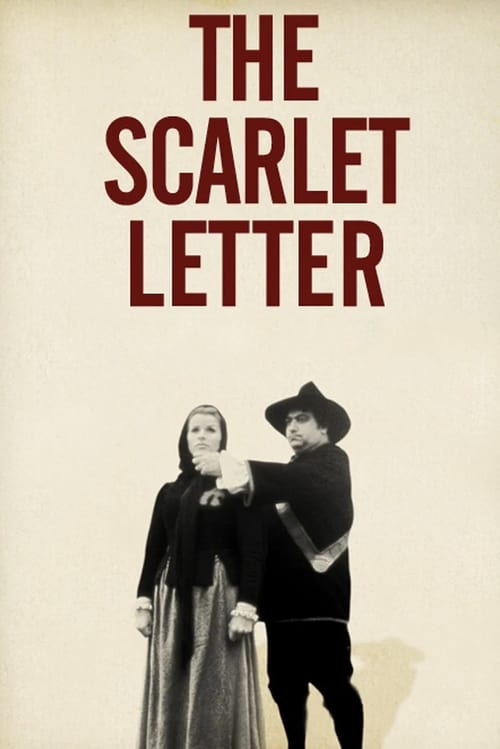
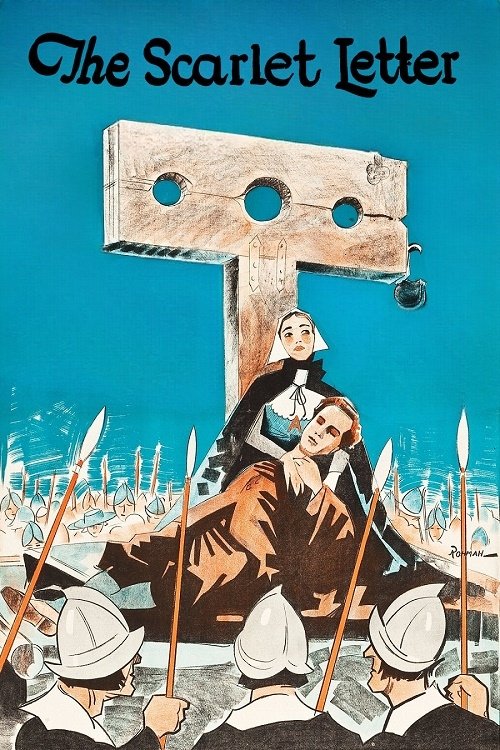
The Scarlet Letter
1995
No user ratings available yet
Representation score: 3.5 out of 10
Representation Score
Fair
1973
Director
Wim Wenders
Runtime
90 minutes
Average Rating
No ratings yetNew Showbiz Analysis
The film primarily critiques institutionalized morality and patriarchal control. Its strength lies in challenging gender hierarchies and questioning religious hegemony through Hester Prynne's resilience. While it lacks modern identity markers like explicit LGBTQ+ representation or racial diversity, it excels in depicting individual autonomy against a rigid social order. The story focuses on the internal conflict between personal ethics and community dogma.
Category Breakdown
The film touches on themes of adultery and non-traditional family life that challenge the assumption that everyone is straight or cisgender. However, it doesn't show same-sex relationships or characters who don't identify with their birth gender.
Hester Prynne stands out as a strong female character who fights against male-dominated society. Male characters are shown to have mental health issues, which challenges the usual idea of powerful men.
Set in 17th-century Salem, the story focuses on a community of mostly white Puritans. There are no diverse characters or subversion of the era's racial dynamics.
The story strongly criticizes religious authorities and the strict moral codes imposed by the state. It highlights the protagonist's personal sense of right and wrong over the community's rigid rules.
The story does not include characters with physical, sensory, or neurodivergent disabilities.
Present on Screen
Limited or Absent
Official Synopsis
In 17th-century Salem, Hester Prynne must wear a scarlet A because she is an adulteress, with a child out of wedlock. For seven years, she has refused to name the father. A vigorous older stranger arrives, recognized by Hester but unknown to others as her missing husband. He poses as Chillingworth, a doctor, watching Hester and searching out the identity of her lover. His eye soon rests on Dimmesdale, a young overwrought pastor. Enmity grows between the two men; Chillingworth applies psychological pressure, and the pastor begins to crack. A ship stops in Salem, and Hester sees it as a providential refuge for her daughter, herself, and her lover. But will Dimmesdale flee with her?
1995
1943
1927

1971

1934
1982

1980

1996
No reviews yet. Be the first to share your thoughts on this movie!
Use the rating form above to leave a star rating and optional review.