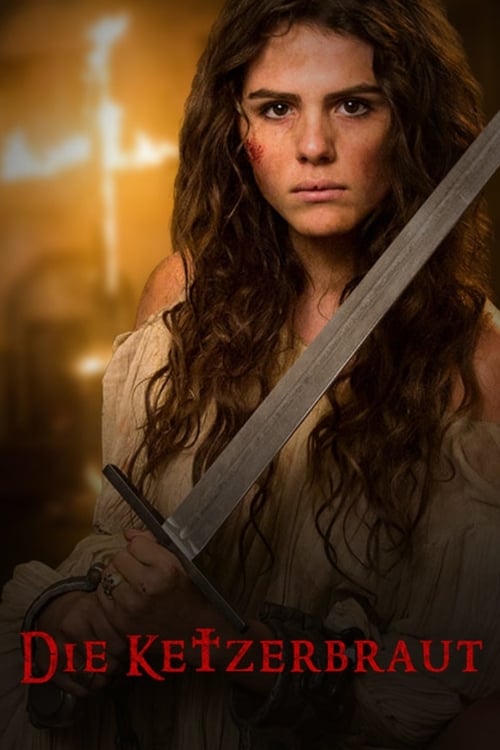
Die Ketzerbraut
2017
No user ratings available yet
Representation score: 2.5 out of 10
Representation Score
Fair
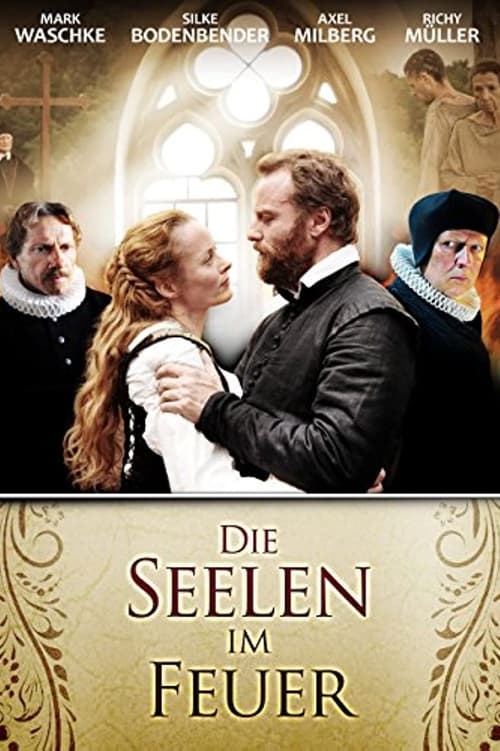
2014
Director
Urs Egger
Runtime
110 minutes
Average Rating
No ratings yetNew Showbiz Analysis
Burning Souls is a historical drama that prioritizes the deconstruction of institutional corruption over modern identity politics. It successfully challenges traditional power structures by highlighting the systemic injustice of the 17th-century witch hunts. The film's diversity is largely shaped by its period setting, which limits racial and LGBTQ+ representation. However, it finds strength in its progressive critique of religious and political hierarchies. While the narrative centers on women's ability to drive the story and resistance against a corrupt Bishop, it remains a product of its historical context, focusing more on class and political victimization.
Category Breakdown
The film does not explicitly depict same-sex relationships or non-binary identities. The story focuses on the interpersonal conflict between the protagonists and the ruling Bishop.
Johanna Wolff plays a central role in navigating systemic violence. The plot highlights the importance of women's ability to act in surviving within a male-dominated religious hierarchy.
Set in 17th-century Germany, the film reflects the historical homogeneity of the time. The cast appears to be primarily European with limited evidence of diverse ethnic representation.
The story sharply criticizes religious authority and institutional corruption. It portrays the Church and the Bishopric as oppressive tools used for political purging and wealth accumulation.
There is no mention of characters navigating physical, sensory, or neurodivergent disabilities within the narrative.
Present on Screen
Limited or Absent
Official Synopsis
A story about of one of the darkest periods in German history, an era in which the belief in occult forces was widespread. In Bamberg, witch hunts were fostered by a greedy and delusional Bishop Prince and reached their peak around 1630. This Bamberg ruler used the witch trials to purge his political enemies and enrich himself with their goods. Almost 1000 innocent men, women and children became his victims. BURNING SOULS deals with the era seen through the eyes of Johanna Wolff, a pharmacist's daughter, and the young physician Cornelius Weinmann. To save the innocent, he and a few courageous men revolt against the Bishop Prince.
2017
1943
2015
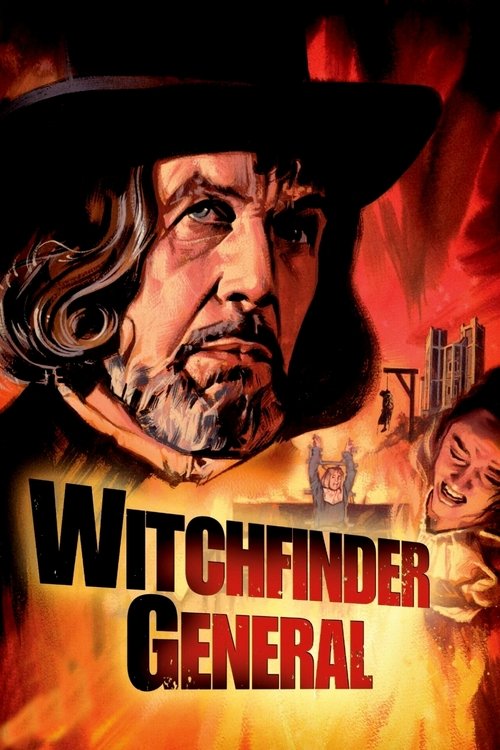
1968
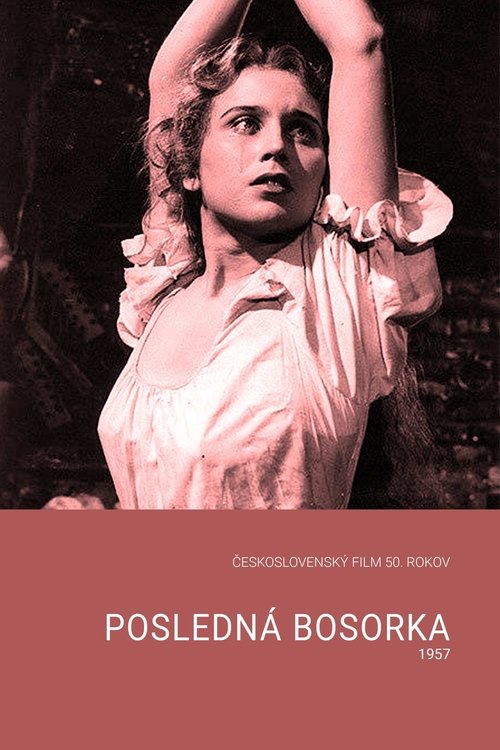
1957
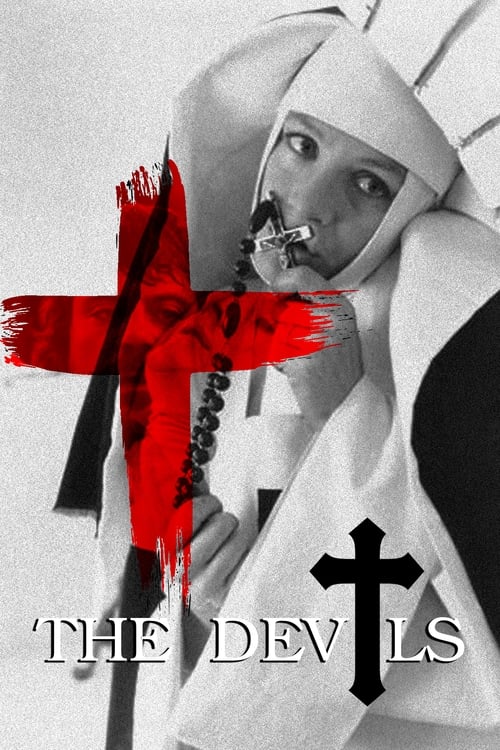
1971
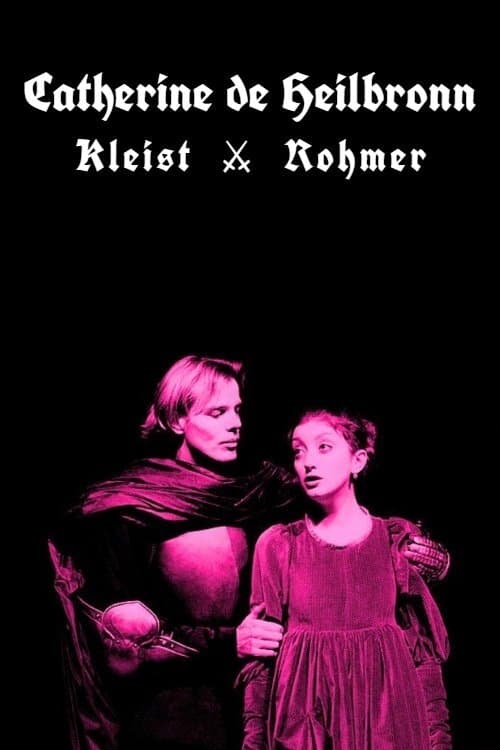
1980
1922
No reviews yet. Be the first to share your thoughts on this movie!
Use the rating form above to leave a star rating and optional review.