The Puppet's Nightmare
1908
No user ratings available yet
Representation score: 0.6 out of 10
Representation Score
Minimal
1908
Director
Wallace McCutcheon Sr.
Runtime
9 minutes
Average Rating
No ratings yetNew Showbiz Analysis
The Sculptor's Nightmare is a period-specific political satire that reflects the narrow demographic focus of early 20th-century American cinema. It centers almost exclusively on white, male political figures and the corruption within their institutions. While the film provides a mild critique of civic vanity and political bribery, it lacks structural complexity regarding identity. Female characters have little control over their actions and serve primarily as catalysts for male behavior. The racial landscape is entirely homogeneous, reflecting the social constraints of its era.
Category Breakdown
The film does not include any characters or narratives related to LGBTQ+ themes. It focuses solely on political satire and the sculptor's personal struggles.
The story centers around a male-dominated political environment. A female model appears but has little control over her actions and mainly serves as a catalyst for the protagonist's intoxication.
The narrative reflects the homogeneous white political establishment of 1908. It includes figures like Roosevelt and Taft but lacks any racial diversity or non-Anglo-Saxon characters.
The film critiques Western political institutions by portraying club members as corrupt and bickering. It offers an irreverent view of social responsibility through the protagonist's personal dysfunction.
There are no characters with visible or invisible disabilities portrayed in this work.
Present on Screen
Limited or Absent
Official Synopsis
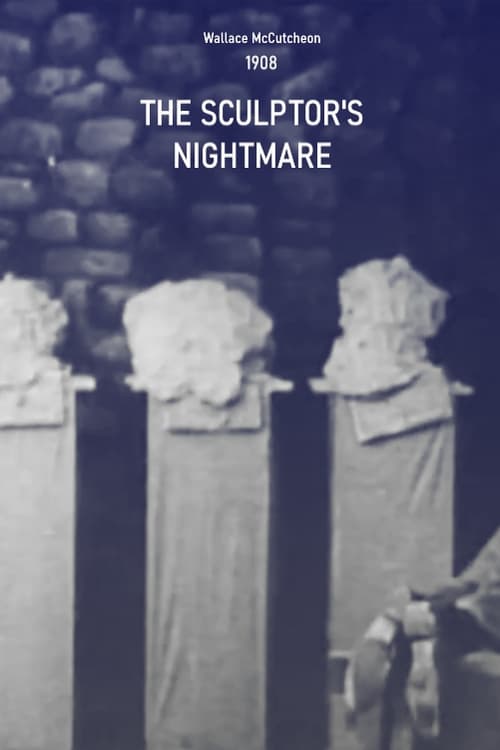
At a political club, the members debate whose bust will replace that of Theodore Roosevelt. Unable to agree, each goes to a sculptor's studio and bribes him to sculpt a bust of the individual favorite. Instead, the sculptor spends their fees on a dinner with his model during which he becomes so inebriated that he is taken to jail. There he has a nightmare, wherein three busts are created and animated from clay (through stop-motion photography) in the likenesses of Democrat William Jennings Bryan and Republicans Charles W. Fairbanks and William Howard Taft. Finally an animated bust of Roosevelt appears.
1908
1921
1906
1909
1921
1909
1932
1910
No reviews yet. Be the first to share your thoughts on this movie!
Use the rating form above to leave a star rating and optional review.