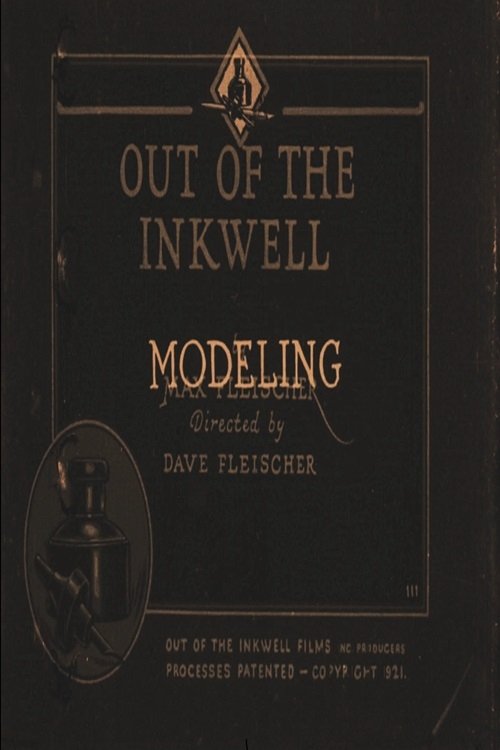
Modeling
1921
No user ratings available yet
Representation score: 1.8 out of 10
Representation Score
Minimal
1921
Director
Dave Fleischer
Runtime
8 minutes
Average Rating
No ratings yetNew Showbiz Analysis
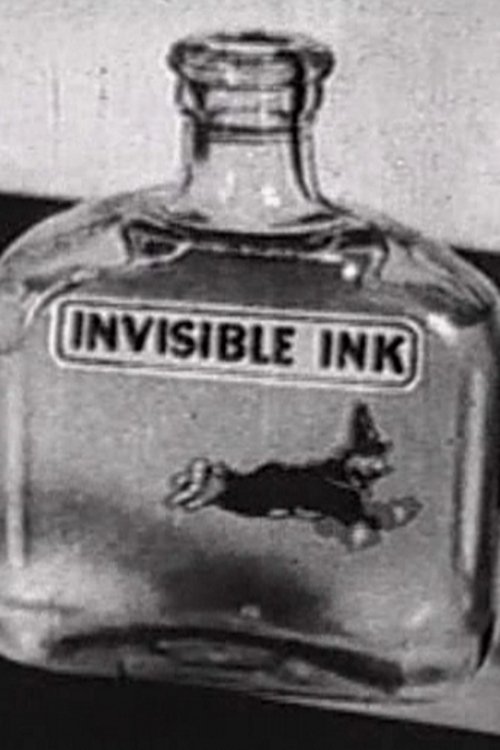
Invisible Ink is a foundational piece of early animation that emphasizes technical innovation and meta-narrative structure over social complexity. The film focuses on the metaphysical relationship between an animator and his creation, Koko the Clown. While the film successfully challenges traditional narrative authority by breaking the fourth wall, it does so through a lens of creator versus creation rather than through demographic diversity. The era's limitations are reflected in the lack of characters who reflect more than one aspect of diversity. Ultimately, the work serves as a study of autonomy and systemic order rather than a vehicle for cultural or identity-based exploration.
Category Breakdown
The film does not include any LGBTQ+ characters or narratives that challenge the assumption that everyone is straight or cisgender. The interaction between the animator and Koko the Clown lacks the complexity needed for queer representation.
The story focuses on a conflict between an animator and a clown. There are no female characters or challenges to masculine leadership, making the gender representation limited.
The animation uses a monochromatic, anthropomorphic style typical of its time. There is no evidence of a diverse cast or intentional blending of racial identities.
The film explores the boundary between the real and constructed worlds. It subtly critiques absolute authority through the clown's autonomy, although it lacks explicit secularist themes.
There are no specific details about the portrayal of physical, sensory, or neurodivergent characters.
Present on Screen
Limited or Absent
Official Synopsis
Koko The Clown continually interrupts an animator, who turns his attention to trapping the clown.
1921
1932
1938
1933
1933

1928
1931
1932
No reviews yet. Be the first to share your thoughts on this movie!
Use the rating form above to leave a star rating and optional review.