Humorous Phases of Funny Faces
1906
No user ratings available yet
Representation score: 0.0 out of 10
Representation Score
Minimal
1909
Director
Émile Cohl
Runtime
4 minutes
Average Rating
No ratings yetNew Showbiz Analysis
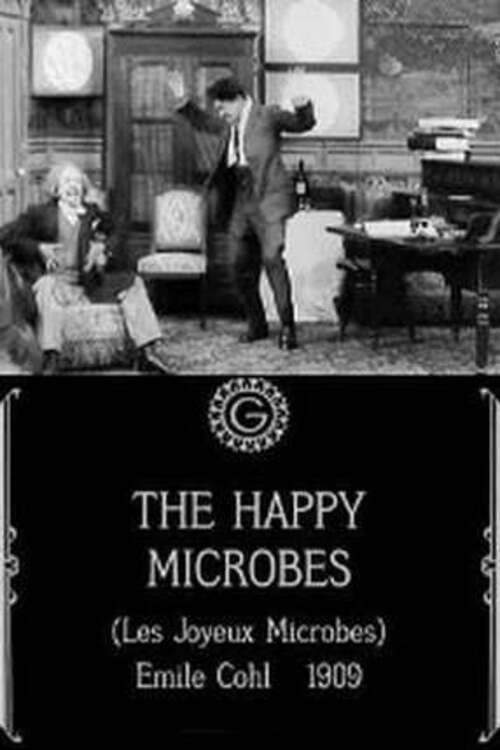
Émile Cohl’s seminal work serves more as a technical demonstration of metamorphic animation than a narrative exploration of identity. The film relies heavily on the social archetypes of the early 20th century, using microscopic shapes to form recognizable, albeit stereotypical, caricatures. While the fluid animation style allows for constant visual transformation, the content remains rooted in the era's conventional social hierarchies. The film lacks the structural depth to challenge power dynamics or offer multi-layered representation. Ultimately, the work reflects the limited social scope of 1909, focusing on secular curiosity and established comedic clichés rather than diverse human experiences.
Category Breakdown
The film does not include any explicit representations of LGBTQ+ identities or non-straight relationships. There are no instances of queer-coded narratives, even though the animation style is fluid.
Gender roles are portrayed through traditional social stereotypes, such as the 'mother-in-law' caricature. These characters serve as comedic sketches rather than nuanced individuals with significant influence.
The film lacks visible evidence of racial or ethnic diversity. The caricatures suggest a narrow, likely Eurocentric view of social types common to the 1909 period.
The film prioritizes a secular, scientific perspective through the character of the scientist. It relies on traditional social satire rather than religious or institutional critique.
There are no characters with visible or invisible disabilities. The subjects are animated microscopic entities used primarily for comedic caricature.
Present on Screen
Limited or Absent
Official Synopsis
A scientist has acquired a microscope and is showing it off to his friend. He takes various body samples - hair, phlegm, etc. - and puts them under the microscope. The "microbes" coalesce and form different shapes, creating caricatures of various people, such as mothers-in-law and drunks. These animated characters goof around in traditional cartoon fashion.
1906
1908
1908
1911
1909
1908
1921
1916
No reviews yet. Be the first to share your thoughts on this movie!
Use the rating form above to leave a star rating and optional review.