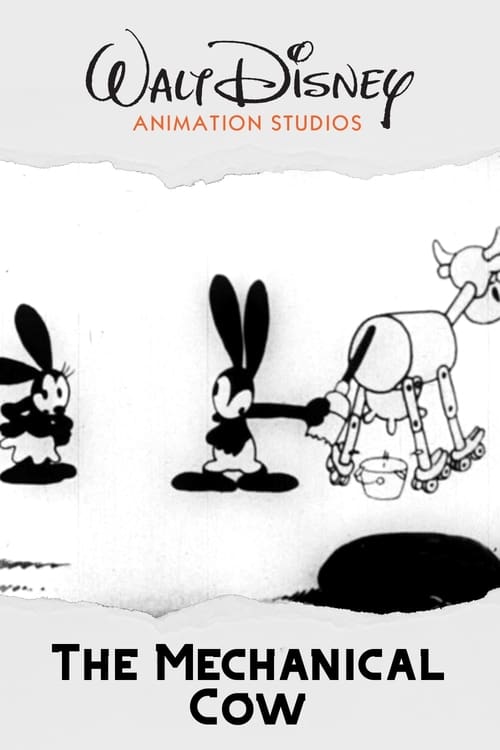
The Mechanical Cow
1927
No user ratings available yet
Diversity score: 1.3 out of 10
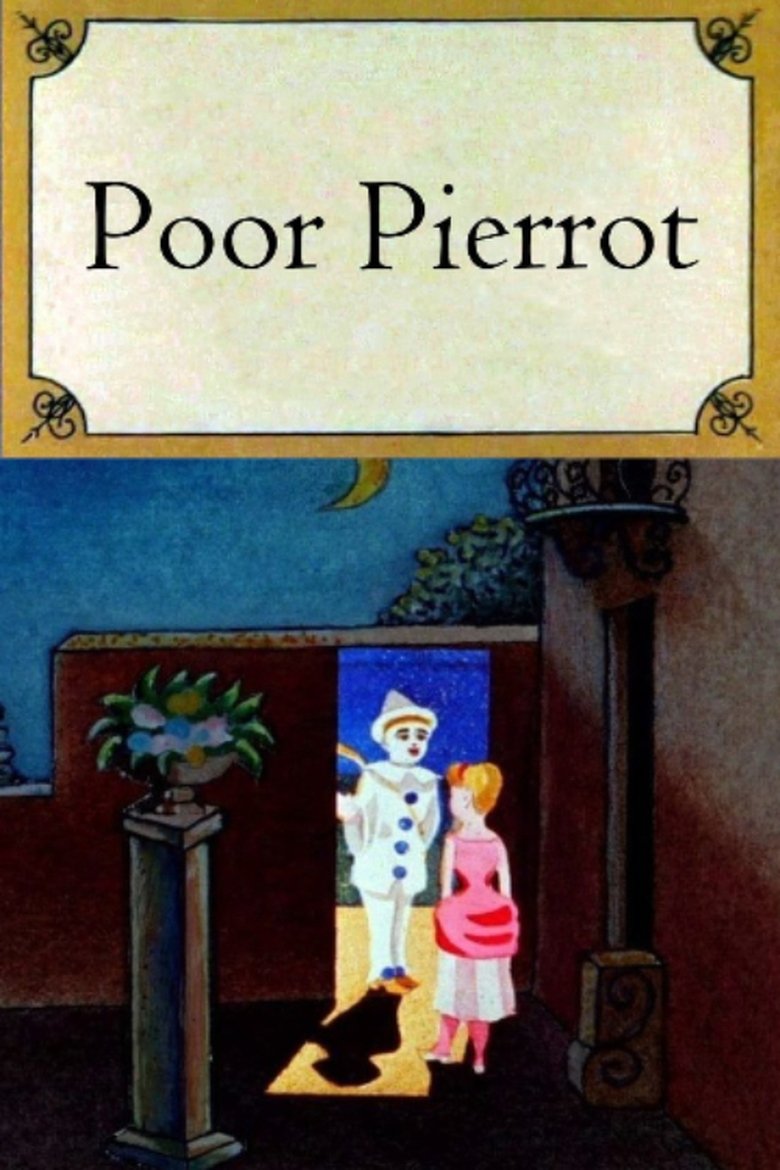
1892
TV-PGDirector
Émile Reynaud
Runtime
5 minutes
Average Rating
No ratings yetSynopsis
One night, Arlequin comes to see his lover Colombine. But then Pierrot knocks at the door and Colombine and Arlequin hide. Pierrot starts singing but Arlequin scares him and the poor man goes away.
Overall Score
Minimal
Category Breakdown
LGBTQ+ Representation
The narrative adheres to conventional heteronormative structures. There is no evidence of queer subtext or non-cisnormative identities within this early work.
Gender Representation
Colombine serves primarily as an object of desire within a traditional romantic hierarchy. Male characters drive the plot and physical comedy, limiting female agency.
Racial & Ethnic Diversity
The work is culturally homogeneous and relies on Eurocentric archetypes. It lacks any intentional efforts toward racial or ethnic blending.
Religious & Cultural Diversity
The film operates within established Western artistic traditions and theatrical norms. It prioritizes rhythmic movement over systemic critique or cultural expansion.
Disability Representation
The film features stylized, rhythmic movements but lacks any depiction of neurodivergence or physical disability.
Strengths
Areas for Improvement
AI Analysis
Pauvre Pierrot is a foundational animation that prioritizes technical innovation and the preservation of classical pantomime traditions. It functions as a reflection of its specific historical moment, adhering to the social norms of 19th-century European theater. The narrative architecture is built upon established archetypes rather than the disruption of social expectations. Consequently, the film lacks intentionality regarding intersectional representation. While historically significant, the work remains culturally and demographically narrow, focusing on the specific milieu of the Théâtre Optique.
1927
1932

1908
1931
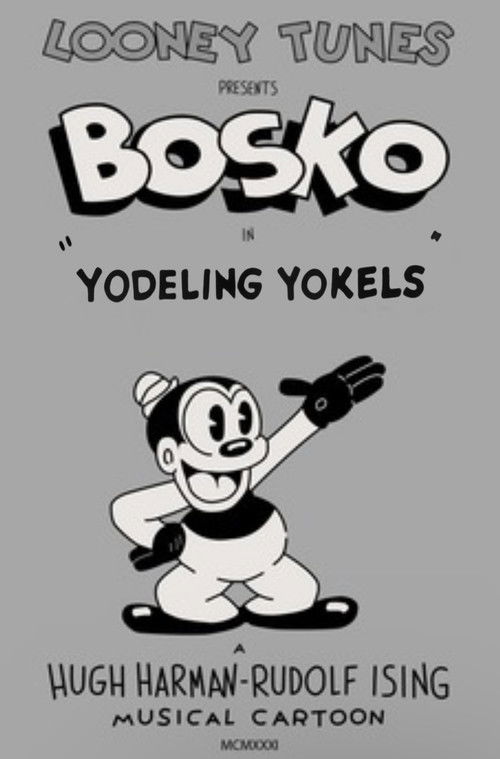
1931
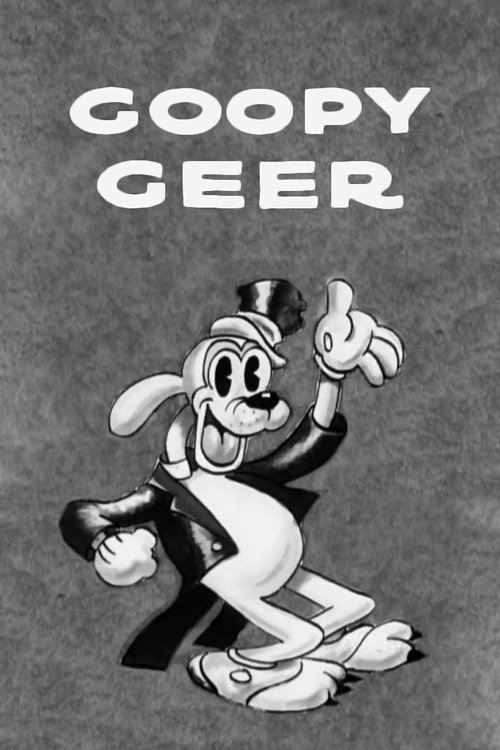
1932
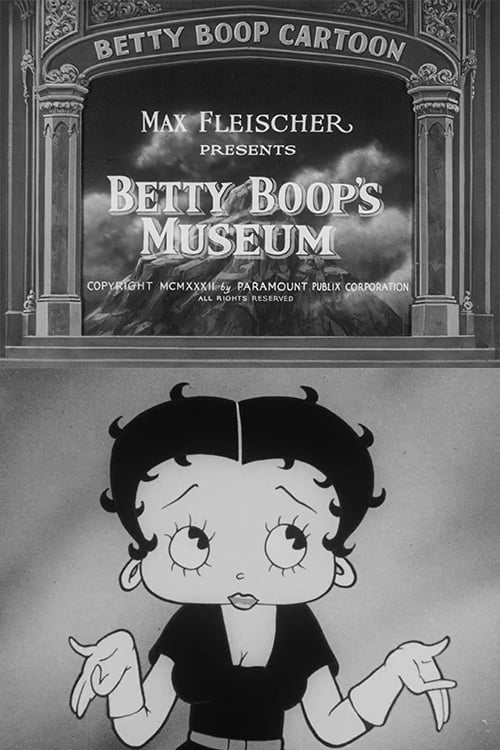
1932
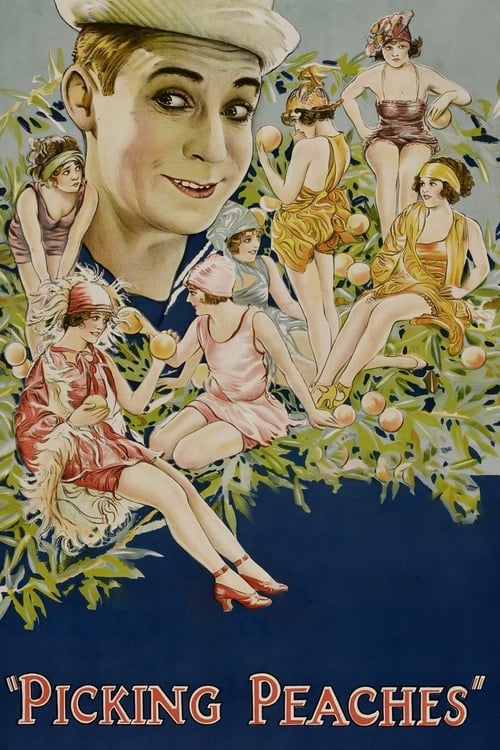
1924
1932
1932
1921
1921
No reviews yet. Be the first to share your thoughts on this movie!
Use the rating form above to leave a star rating and optional review.