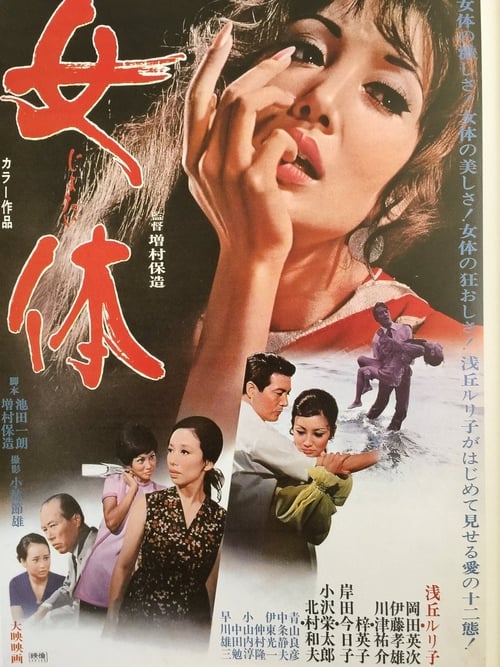
Vixen
1969
No user ratings available yet
Representation score: 4.4 out of 10
Representation Score
Fair
1966
Director
Yoshishige Yoshida
Runtime
102 minutes
Average Rating
No ratings yetNew Showbiz Analysis
Yoshishige Yoshida’s work serves as a sophisticated examination of social boundaries. By using photography as a central theme, the film complicates the power dynamics between the observer and the observed. This approach effectively challenges traditional views and the constraints of social structures. The film excels at deconstructing the conventional family unit. It replaces rigid moral frameworks with a study of individual desire and the consequences of social exposure. This creates a narrative that feels both transgressive and deeply psychological. While the film lacks explicit diversity in terms of race or LGBTQ+ identity, its cultural impact is significant. It functions as a vital piece of Japanese New Wave cinema that subverts Western storytelling clichés.
Category Breakdown
The film centers on a heterosexual relationship without explicitly featuring queer identities. However, its New Wave style suggests a broader interest in non-traditional desires.
The story emphasizes a woman's subjective experience and autonomy. By focusing on her erotic life and independence, it challenges traditional patriarchal structures.
The cast is ethnically uniform within a Japanese context. Its value lies in challenging Western cinematic dominance through a non-Western perspective.
The story critiques social conformity and the fragility of marriage. It avoids traditional moralizing to explore the tension between personal impulses and societal surveillance.
There are no characters with visible or invisible disabilities in the narrative.
Present on Screen
Limited or Absent
Official Synopsis
A married woman lets her lover take naked pictures of her. The photos end up in possession of a man who starts blackmailing the couple.
1969
1961

1976
1950
1962

1984

1985
1967
No reviews yet. Be the first to share your thoughts on this movie!
Use the rating form above to leave a star rating and optional review.