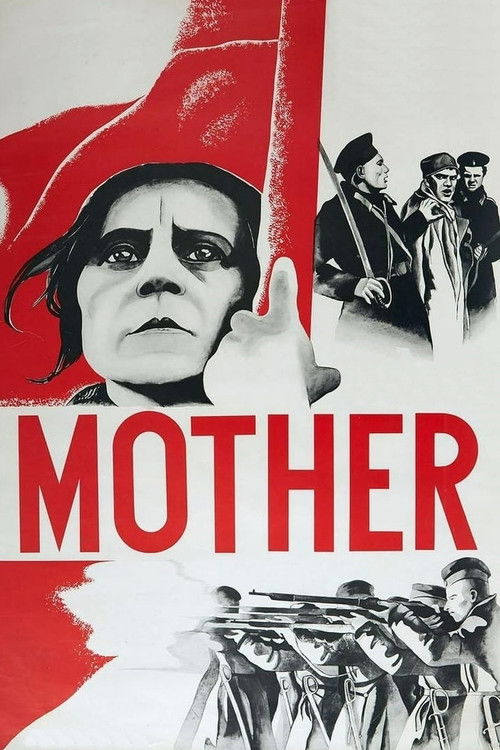
Mother
1926
No user ratings available yet
Representation score: 4.5 out of 10
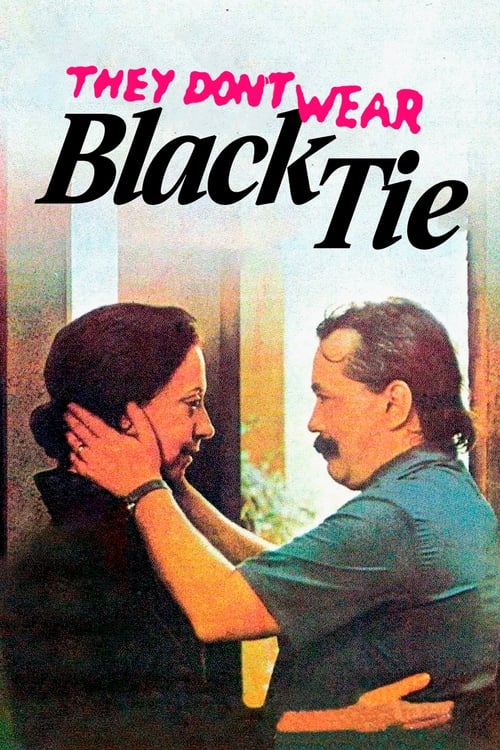
Representation Score
Good
1981
Director
Leon Hirszman
Runtime
122 minutes
Average Rating
No ratings yetNew Showbiz Analysis
Leon Hirszman’s drama is a thorough examination of class conflict and the tension between idealism and practical survival. It succeeds by dismantling the stability of the nuclear family and questioning the sanctity of capitalist institutions through a lens of social realism. Despite the lack of demographic diversity, the film’s intellectual depth is a strength. It replaces traditional hierarchies with a complex network of socioeconomic pressures, making the labor struggle the central theme. However, the film remains confined by its traditional demographic makeup. The absence of LGBTQ+ identities and multi-ethnic representation limits the social scope to a specific, homogeneous working-class experience.
Category Breakdown
The film focuses on heterosexual and cisgender relationships within the working class. There are no stories or characters that represent LGBTQ+ identities or non-cisgender experiences.
Romana plays a key role in challenging patriarchal norms. She serves as an important mediator and emotional anchor between the opposing views of Otavio and Tião.
The setting portrays a culturally uniform Brazilian working-class community. While it does not feature a diverse cast, it provides detailed insights into the Brazilian labor movement.
The narrative effectively critiques power structures and capitalist exploitation. It highlights the struggle for labor rights through a nuanced perspective of systemic necessity.
The story emphasizes psychological and socioeconomic pressures. Mental strain is shown as a reaction to systemic issues rather than as a personal disability.
Present on Screen
Limited or Absent
Official Synopsis
Otavio is an idealistic union leader trying to organize workers at a factory to resist the company's exploitative practices. His son, Tião, one of the employees, is more of a realist and doesn't want to risk losing his job by striking. This clash of perspectives puts the father and son at odds. Fortunately, Tião's mother, Romana, is on hand to act as a moderator between the two opinionated men.
1926
1963
1974
1954
1958

1958
1960
1971
No reviews yet. Be the first to share your thoughts on this movie!
Use the rating form above to leave a star rating and optional review.