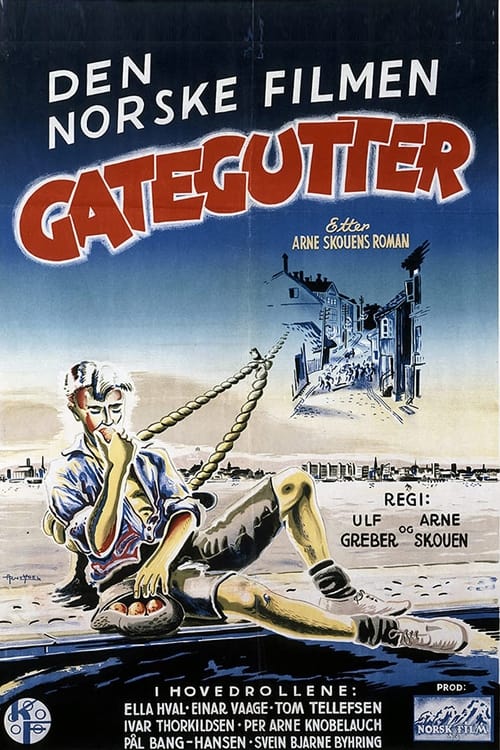
Boys from the Streets
1949
No user ratings available yet
Representation score: 6.2 out of 10

Representation Score
Good
1963
Not RatedDirector
Bo Widerberg
Runtime
97 minutes
Average Rating
No ratings yetNew Showbiz Analysis
Raven's End is a social realist drama that emphasizes class struggle over multiple aspects of identity. It effectively dismantles the myth of the perfect mid-century family by highlighting systemic poverty and the economic hardships faced by women. However, the film lacks representation of LGBTQ+ identities and racial diversity, reflecting its specific historical context. The narrative primarily focuses on the male experience of social mobility. Overall, the film's strength lies in its sociological critique of capitalist structures and domestic hardship, even though it does not include a wide range of identity markers.
Category Breakdown
The film centers on a heterosexual relationship between Anders and his pregnant girlfriend, set in 1936. There is no indication of queer relationships or non-straight identities in this historical context.
The movie emphasizes the economic struggles of women through the mother's hard labor. However, the main narrative revolves around the male protagonist's personal goals and influence.
Set in a 1936 Swedish working-class community, the film seems to have an ethnically uniform cast. There is no evidence of racial diversity or varied casting.
The story critiques the idealized mid-century family by focusing on poverty and alcoholism. It presents a secular perspective on family hardship rather than a moralistic viewpoint.
The father's alcoholism introduces themes of addiction and family conflict. While the film avoids a sanitized portrayal, it is unclear if the character's psychological complexity is fully explored.
Present on Screen
Limited or Absent
Official Synopsis
In 1936, aspiring writer Anders, along with his friend Sixten, is desperate to escape his working-class upbringing. Anders' father is an unemployed alcoholic and his mother slaves away at a laundry to support the family. A ray of hope comes Anders' way when he finishes his first novel and submits it to a publisher. But after his girlfriend gets pregnant, his future dims before his eyes once more.
1949
1936
1949

1950
1966
1945
1953

1962
No reviews yet. Be the first to share your thoughts on this movie!
Use the rating form above to leave a star rating and optional review.