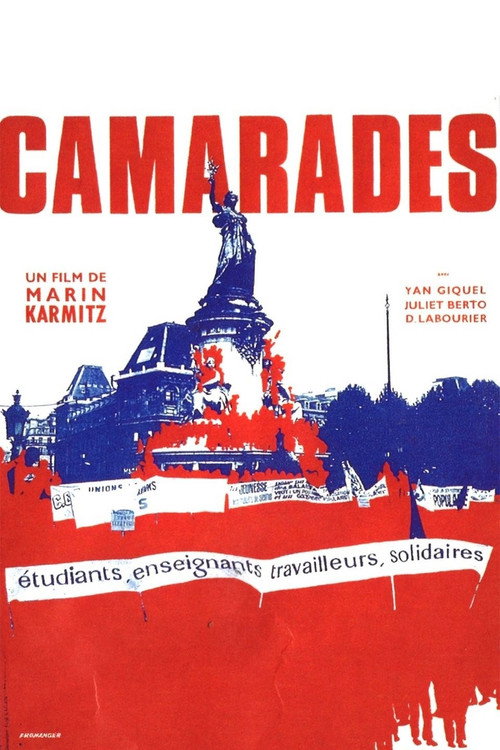
Comrades
1970
No user ratings available yet
Representation score: 4.0 out of 10
Representation Score
Good
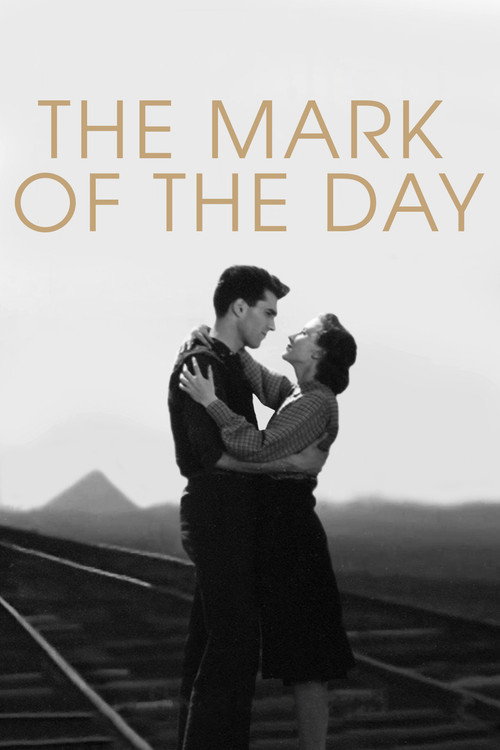
1949
Director
Louis Daquin
Runtime
101 minutes
Average Rating
No ratings yetNew Showbiz Analysis
Louis Daquin’s film uses social realism to highlight the lived experiences of the working class. By including immigrant perspectives and challenging authoritarian industrial hierarchies, the film disrupts a homogeneous national narrative. However, it remains constrained by the social norms of 1949. The story largely centers on male characters, and the depiction of physical trauma lacks depth beyond its role in the character’s journey. Ultimately, the film excels in its systemic critique of class and labor, though it remains limited in its portrayal of gender and non-straight-centered identities.
Category Breakdown
The film does not explicitly depict LGBTQ+ identities. Instead, it focuses on traditional romantic relationships and family structures typical of the mid-20th century.
Female characters such as Marie and Louise offer a domestic perspective, but the main plot revolves around male characters who drive the story forward. The central conflict centers on male-led labor disputes and industrial leadership.
The inclusion of Brezza, a Polish immigrant, adds complexity to the mining community. This character helps disrupt a purely homogeneous portrayal of French society.
The film provides a strong critique of industrial institutions and capitalist power structures. It emphasizes the history of working-class struggles and prioritizes the perspectives of the working class over those of the elite.
Roger’s injury from a landslide serves as a major catalyst for his character development. However, the trauma primarily functions as a narrative device for emotional resolution rather than a detailed exploration of disability.
Present on Screen
Limited or Absent
Official Synopsis
In a settlement in the northern mining country. The Marles, Bréhard and Gohelle families wake up and prepare for a new day at work. The young engineer Larzac, newly appointed to the mine, will soon oppose the authoritarian and conservative methods of his superior Dubard. Georges Gohelle would like to marry Marie Bréhard, but housing difficulties thwart their plans. Brezza, a Polish immigrant, who must return to his country, would like to hate his marriage to Louise Gohelle. Roger, Marie's little brother, has just turned 14. He does not want to go down to the mine as his elders have always done. He will however have to resign himself to it. Marles evokes for him the social struggles of 1906. Roger is injured during a landslide. In front of his family and his friend Marles, who had come to the hospital, he announced his decision to continue his profession. Larzac, invited to the Marles, reveals that he refused a quiet position at the Charbonnages de Paris. He too stays.
1970
1993
1963
1954

1998
1963

1961
1971
No reviews yet. Be the first to share your thoughts on this movie!
Use the rating form above to leave a star rating and optional review.