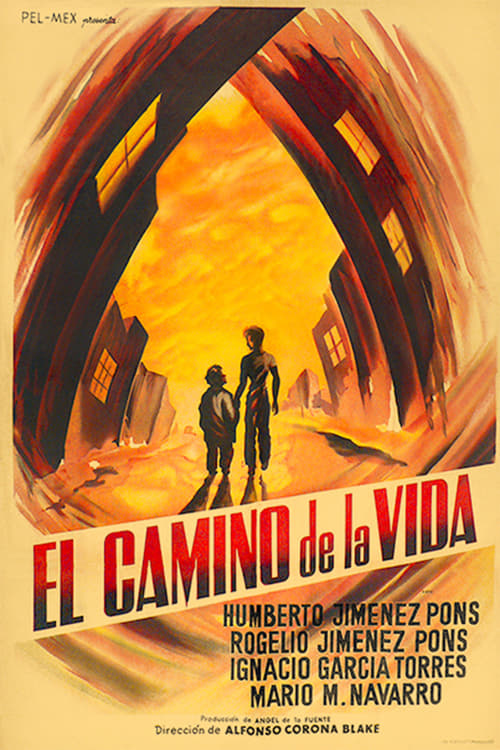
The Road of Life
1956
No user ratings available yet
Diversity score: 3.9 out of 10
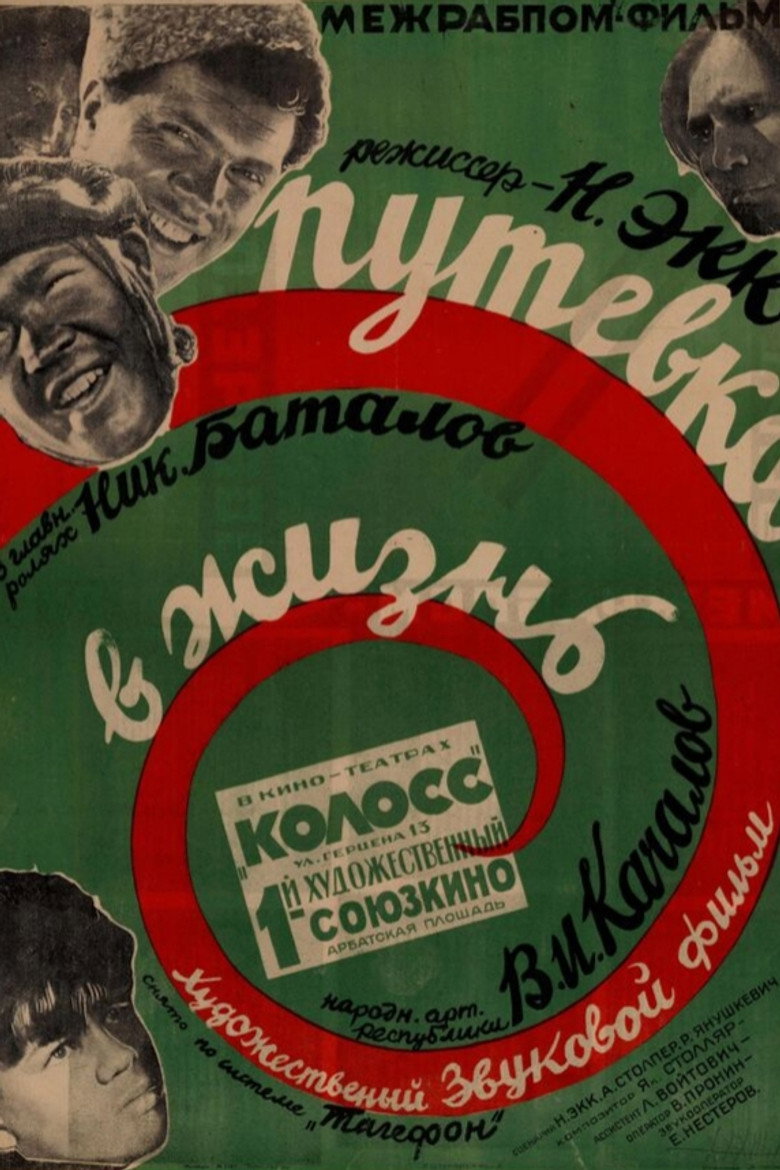
1931
PassedDirector
Nikolai Ekk
Runtime
113 minutes
Average Rating
No ratings yetSynopsis
The first Russian talking picture which won a prize at the 1st Venice IFF. The action is set in 1923. The USSR is struggling with hunger and economic ruin. It is a story of homeless teenagers for whom a work commune is set up with the idea of uniting and reforming them.
Overall Score
Fair
Category Breakdown
LGBTQ+ Representation
The film lacks any non-heteronormative identities or queer subtext. The narrative focuses strictly on the formation of a proletarian collective and traditional social roles.
Gender Representation
Women are depicted as active, capable participants in the workforce and communal struggle. The film prioritizes labor and utility over traditional domesticity or submissive roles.
Racial & Ethnic Diversity
The casting primarily features Slavic and Russian performers, reflecting the demographic realities of the early Soviet Union. It maintains a relatively homogeneous ethnic focus.
Religious & Cultural Diversity
The story serves as a critique of capitalism and religious institutions. It promotes secularism and collective ownership as superior to the pre-revolutionary social order.
Disability Representation
Characters face socioeconomic disabilities like vagrancy and orphanhood. However, these struggles primarily serve to demonstrate the efficacy of the collective system.
Strengths
Areas for Improvement
AI Analysis
Road to Life is a foundational work of Soviet sound cinema that prioritizes class identity and state-driven collectivism over individualistic or intersectional markers. It succeeds in subverting traditional Western hierarchies, particularly regarding religion and capitalist structures, by framing the state as the ultimate moral authority. However, the film remains narrow in its demographic scope. It lacks LGBTQ+ representation and maintains a largely homogeneous ethnic cast. While it empowers women through labor, it replaces traditional gender tropes with a state-defined identity rather than exploring diverse personal identities. Ultimately, the film's diversity is ideological rather than demographic. It excels at cultural subversion and dismantling old social orders, but lacks the modern breadth of representation found in more intersectional narratives.
1956
1943
1932
1933
1929
1929
1926

1927

1925
1950
1929
1959
No reviews yet. Be the first to share your thoughts on this movie!
Use the rating form above to leave a star rating and optional review.