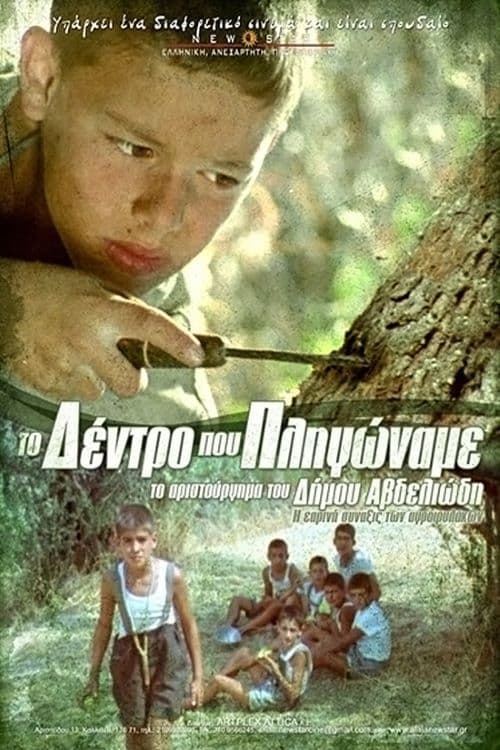
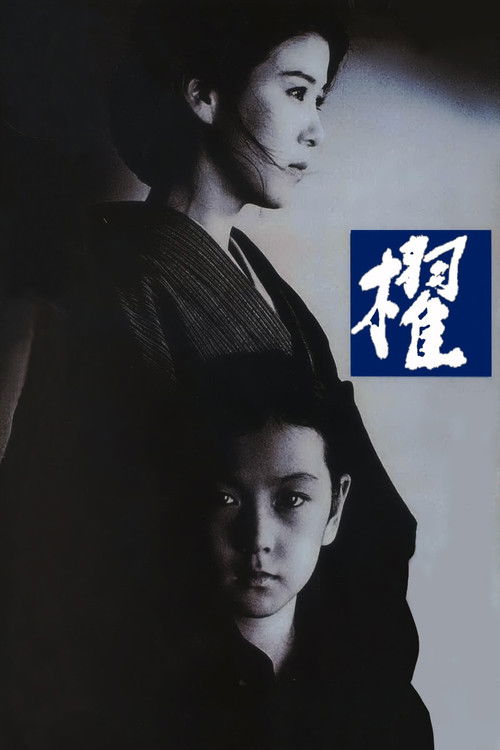
The Tree We Hurt
1986
No user ratings available yet
Representation score: 3.7 out of 10

Representation Score
Fair
1981
Director
Kōhei Oguri
Runtime
105 minutes
Average Rating
No ratings yetNew Showbiz Analysis
Muddy River is a work of social realism that prioritizes the lived experience of the underrepresented over explicit identity politics. It succeeds in providing a grounded, authentic portrayal of the Osaka working class and the systemic pressures of post-war Japan. While the film lacks representation for LGBTQ+ identities or diverse racial groups, it avoids the trap of romanticizing poverty. Instead, it offers a sophisticated look at how economic structures shape individual roles and community survival. Ultimately, the film's strength lies in its cultural depth and its refusal to moralize the struggles of those living on the periphery of society.
Category Breakdown
The film focuses on the socio-economic bonds of a community and childhood development. There is no presence of LGBTQ+ identities or same-sex intimacy.
The narrative centers on communal experience and human connection rather than rigid patriarchal dominance. However, it lacks intentionality in challenging traditional gender roles.
The film offers a homogeneous depiction of the Japanese working class. It remains strictly tethered to its local context, avoiding the whitewashing common in historical dramas.
The story provides a nuanced critique of systemic economic conditions by centering impoverished lives. It frames survival behaviors through necessity rather than moral failure.
No prominent physical or neurodivergent disabilities are featured in the primary character arcs. The film prioritizes the material conditions of poverty over disability-focused narratives.
Present on Screen
Limited or Absent
Official Synopsis
Two boys, whose parents ply their trade by the mouth of a muddy river in Osaka, become close friends.
1986
1932
1989
1970
1985
2022

1986

1973
No reviews yet. Be the first to share your thoughts on this movie!
Use the rating form above to leave a star rating and optional review.