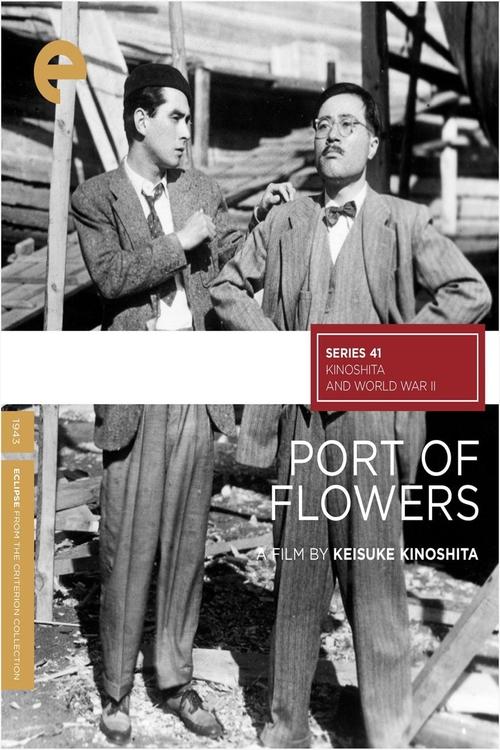
Port of Flowers
1943
No user ratings available yet
Diversity score: 5.2 out of 10
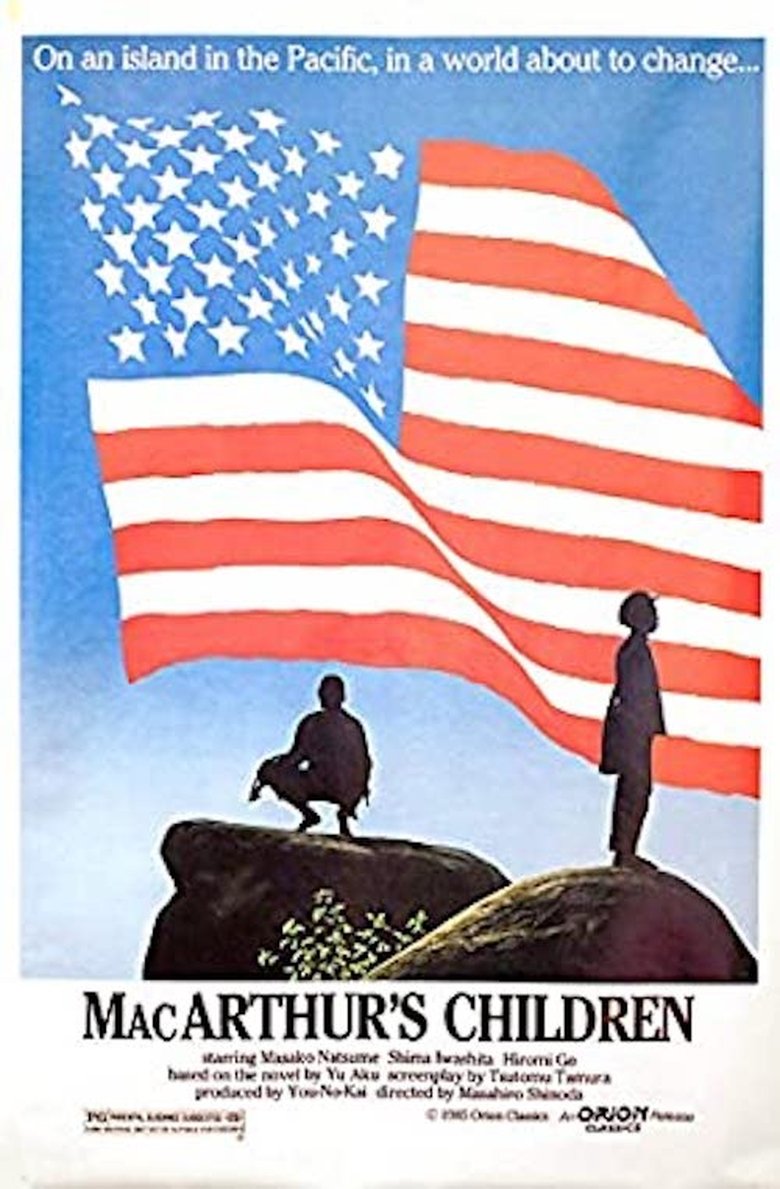
1984
Director
Masahiro Shinoda
Runtime
143 minutes
Average Rating
No ratings yetSynopsis
In this drama at the end of World War II, the inhabitants of a small Japanese fishing village must come to terms with their nation's defeat and the sudden occupation of General MacArthur and his troops.
Overall Score
Fair
Category Breakdown
LGBTQ+ Representation
The film lacks explicit evidence of queer-coded narratives or non-cisnormative identities. The historical setting and genre focus primarily on traditional social structures.
Gender Representation
The story examines the disruption of patriarchal structures following national defeat. While women often occupy domestic roles, they may serve as catalysts for social change.
Racial & Ethnic Diversity
The narrative explores the friction between an indigenous Japanese population and the Western occupying forces. This highlights shifting power dynamics and post-colonial themes.
Religious & Cultural Diversity
The film offers a nuanced critique of nationalistic fervor and traditional state institutions. It explores how cultural identities reshape under foreign occupation.
Disability Representation
There is no specific evidence regarding the portrayal of physical or neurodivergent disabilities in this work.
Strengths
Areas for Improvement
AI Analysis
MacArthur's Children functions as a historical drama that examines the collision between local communal identities and Western hegemony. It avoids monolithic views of war, focusing instead on the human impact of geopolitical shifts. The film excels at deconstructing nationalistic structures and exploring post-colonial themes through the interaction of different ethnic hierarchies. It provides a sophisticated look at how traditional social orders break down during occupation. However, the film lacks visible representation for LGBTQ+ identities and disability. The narrative focus remains largely centered on the broader cultural and racial tensions of the post-WWII era.
No reviews yet. Be the first to share your thoughts on this movie!
Use the rating form above to leave a star rating and optional review.