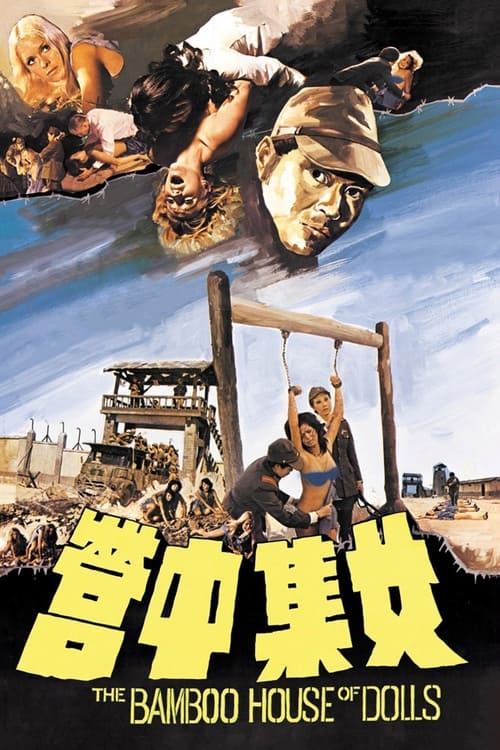
The Bamboo House of Dolls
1973
No user ratings available yet
Representation score: 4.1 out of 10
Representation Score
Limited
1977
Director
Kōyū Ohara
Runtime
70 minutes
Average Rating
No ratings yetNew Showbiz Analysis
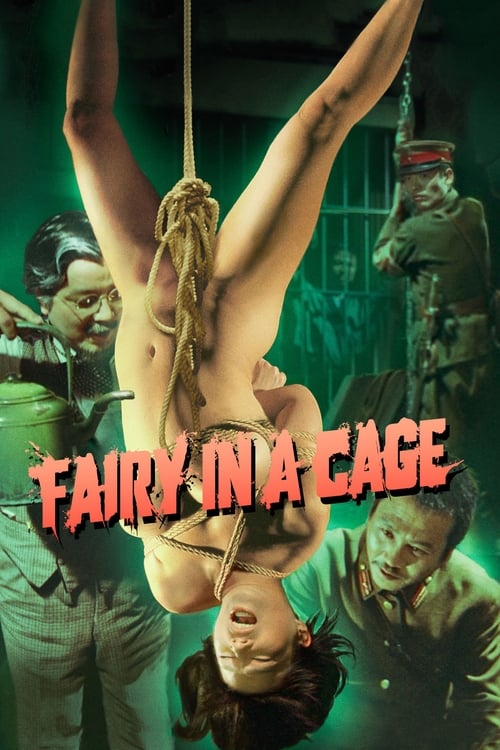
Fairy in a Cage examines the misuse of legal structures for personal gain. While it questions the impartiality of judges, it does so within a horror framework rather than addressing broader social issues. The narrative is built around traditional power imbalances, with women often portrayed as passive victims. The film primarily focuses on predatory dynamics rather than exploring diverse identities or social themes. The story is centered on traditional power imbalances, with women often portrayed as passive victims. The film lacks exploration of diverse identities and broader socio-political themes.
Category Breakdown
The film does not include any LGBTQ+ characters or narratives that question the assumption that everyone is straight or cisgender. The main conflict revolves around a traditional power dynamic between men and women.
Women in the film are portrayed as passive victims of male institutional power. The narrative emphasizes a dynamic where men have authority over women, rather than challenging these roles.
The film focuses on a homogeneous group within a Japanese wartime setting. There are no references to racial diversity or cultural blending.
The film criticizes institutions like the judiciary as tools of corruption. However, this critique is based on individual moral failures rather than a broader examination of religious or capitalist systems.
There is no mention of physical or neurodivergent disabilities in the film.
Present on Screen
Limited or Absent
Official Synopsis
During World War II a moral corrupt judge uses the military police to falsely accuse and imprison a high class business woman who captures his eye at a party. In his personal underground dungeon he subjects her to various humiliations and sexual abuse.
1973
1972

1986

1956

1967

1976
1994

1974
No reviews yet. Be the first to share your thoughts on this movie!
Use the rating form above to leave a star rating and optional review.