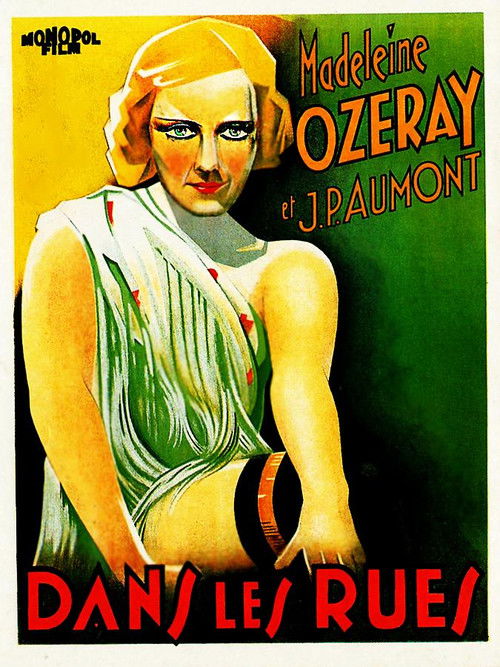
Song of the Streets
1933
No user ratings available yet
Representation score: 2.8 out of 10
Representation Score
Minimal
1932
NRDirector
Frank Borzage
Runtime
70 minutes
Average Rating
No ratings yetNew Showbiz Analysis
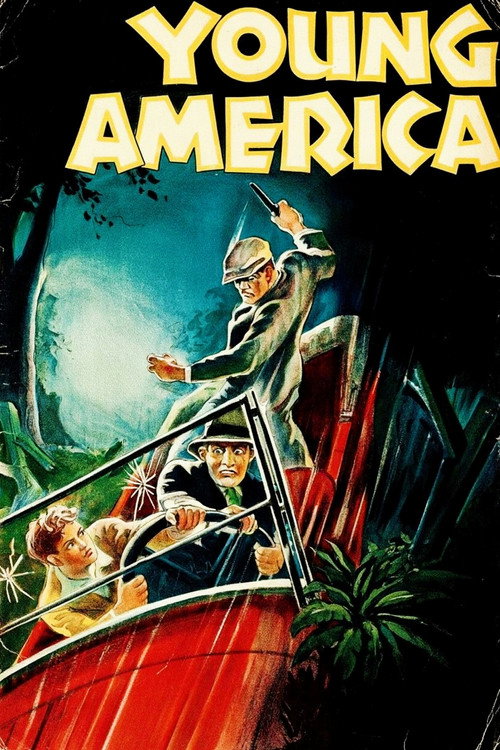
Young America is a traditional social drama that emphasizes moral lessons over complex social issues. It centers on juvenile delinquency and the tension between institutional rigidity and compassionate intervention. The film highlights Mrs. Doray's proactive role in advocating for change, but it remains rooted in the domestic hierarchies of its time. The lack of diverse casting or critical examination keeps the narrative within a narrow social context. Ultimately, the film serves as a typical morality tale of the early 1930s, focusing on community reform without challenging the status quo.
Category Breakdown
The film does not include any LGBTQ+ characters or non-cisgender identities. It focuses solely on traditional family and legal structures.
Mrs. Doray challenges her husband's authority, providing a bit of ability to act. However, her power is limited by her choices between marriage and guardianship.
The story reflects the homogeneous society of the early 1930s. There is no mention of racial diversity or non-Anglo-Saxon characters.
The film examines systemic justice and community responsibility through a moral lens. It criticizes rigid authority figures but stays within conventional social frameworks.
While a grandmother needs medication, the narrative does not focus on physical disabilities or neurodivergence. Disability is not a primary theme.
Present on Screen
Limited or Absent
Official Synopsis
Mrs. Doray sits with a Juvenile Court Judge to learn more about problem children and what to do about them. One of the cases involves 13 year old Arthur, "the worst kid in town", who moves cars away from fiire-plugs without the knowledge of the owners. The judge gives Arthur and friend Nutty another chance. However they run into further trouble when they break into Mr. Doray's drugstore to get medicine for Nutty's grandmother. Mr. Doray is not sympathetic and completely against his wife's plan to become Arthur's guardian. More incidents occur with Mr. Doray quick to judge prior to getting all of the facts. Mrs. Doray must choose between her marriage and Arthur.
1933
1937
1944
1938
1956

1931
1942
1948
No reviews yet. Be the first to share your thoughts on this movie!
Use the rating form above to leave a star rating and optional review.