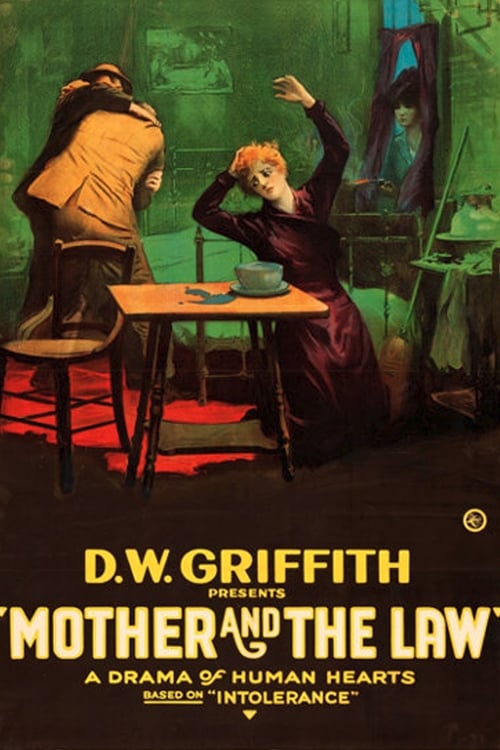
The Mother and the Law
1919
No user ratings available yet
Representation score: 3.0 out of 10
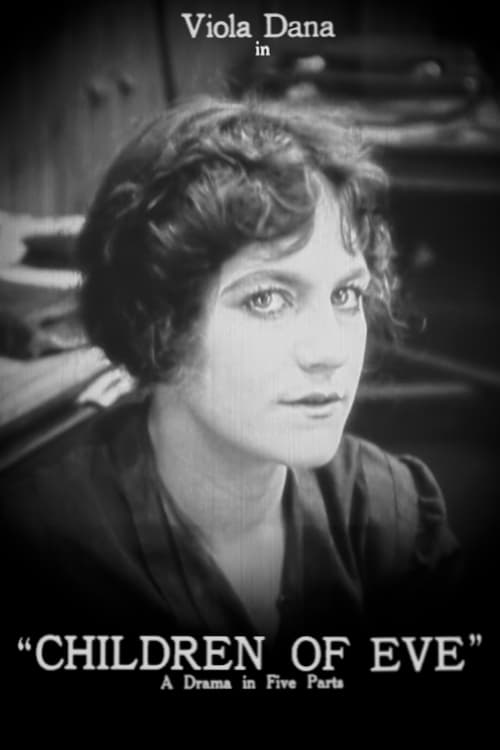
Representation Score
Minimal
1915
Director
John H. Collins
Runtime
73 minutes
Average Rating
No ratings yetNew Showbiz Analysis
Children of Eve presents a critique of early 20th-century social issues, particularly focusing on class struggles and industrial exploitation. The protagonist’s choice to investigate labor conditions highlights moments of personal ability to act. However, the film remains entrenched in the social norms of its time, relying on traditional religious morals and lacking diverse representation. While the film's critique of a 'cold-hearted' factory owner was progressive for 1915, its overall structure adheres to conventional standards.
Category Breakdown
The film does not include any queer narratives or non-straight identities. Social and romantic dynamics adhere strictly to the heterosexual norms of the 1915 era.
The female protagonist takes control by deciding to look into poor factory conditions. However, her character development follows traditional moral themes and a spiritual journey.
The film features a predominantly white cast, reflecting the homogeneity of early American film industry practices.
The story criticizes industrial capitalism and oppressive economic systems. It uses traditional religious beliefs and spiritualism to resolve the protagonist's moral dilemmas.
The film does not depict any physical, sensory, or neurodivergent disabilities.
Present on Screen
Limited or Absent
Official Synopsis
An illegitimate child of the slums comes to faith. Later, she chooses to labor in a canning factory in order to investigate its poor conditions, not realizing she has a significant connection to the cold-hearted factory owner.
1919
1920
1920

1929

1951

1919
1932

1931
No reviews yet. Be the first to share your thoughts on this movie!
Use the rating form above to leave a star rating and optional review.