Young America
1932
No user ratings available yet
Representation score: 1.2 out of 10
Representation Score
Minimal
1944
NRDirector
Sam Newfield
Runtime
68 minutes
Average Rating
No ratings yetNew Showbiz Analysis
I Accuse My Parents operates as a conventional mid-century melodrama. While it offers a critique of the idealized nuclear family by highlighting parental neglect, it remains firmly rooted in the era's standard social structures. The film lacks depth in representing diverse identities, failing to include LGBTQ+, non-white, or disabled characters. It relies on traditional gender roles and Western legal frameworks to drive the plot. Ultimately, the film functions more as a genre-driven crime drama than a progressive social commentary, prioritizing standard studio formulas over structural subversion.
Category Breakdown
The film does not include any LGBTQ+ characters or narratives about non-assuming gender matches what was assigned at birth identities. The central romance follows a traditional heterosexual storyline between the protagonist and a lounge singer.
Gender dynamics follow traditional mid-century stereotypes. The female lead primarily serves as a catalyst for the protagonist's criminal actions rather than as an independent figure.
The narrative centers on a homogeneous society typical of 1944 crime dramas. There is no evidence of non-white characters in positions of influence.
The story critiques the nuclear family by showing alcoholic, negligent parents. However, it relies on established Western legal systems to resolve the central conflict.
No physical or neurodivergent disabilities are shown. Alcoholism is presented as a character flaw rather than a nuanced exploration of mental health or disability.
Present on Screen
Limited or Absent
Official Synopsis
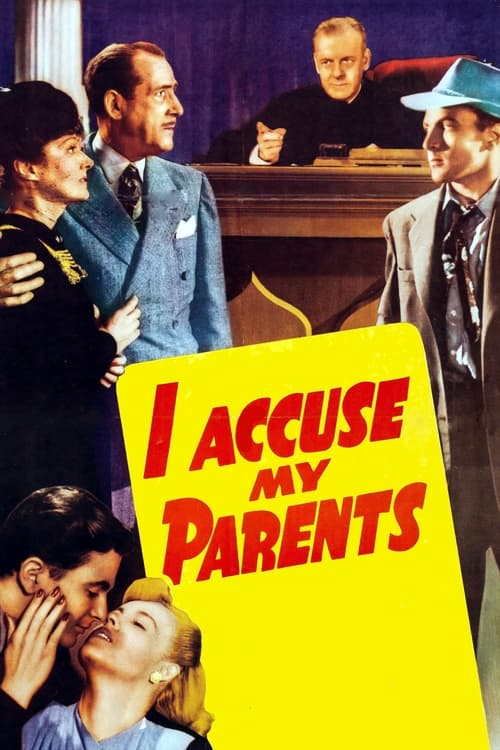
Ignored by his alcoholic parents, Jimmy Wilson starts hanging around with some shady characters. After falling in love with a lounge singer, Jimmy tries to impress her by doing jobs for her shady boss. After one of these jobs goes bad, Jimmy ends up on the run. Eventually, he must confront the truth, his past, and his parents. The judge cites parental neglect in the case of a teenager (John Miljan) charged with murder.
1932
1937
1956

1958

1931
1959
1941
1930
No reviews yet. Be the first to share your thoughts on this movie!
Use the rating form above to leave a star rating and optional review.