Youth on Trial
1945
No user ratings available yet
Diversity score: 1.8 out of 10
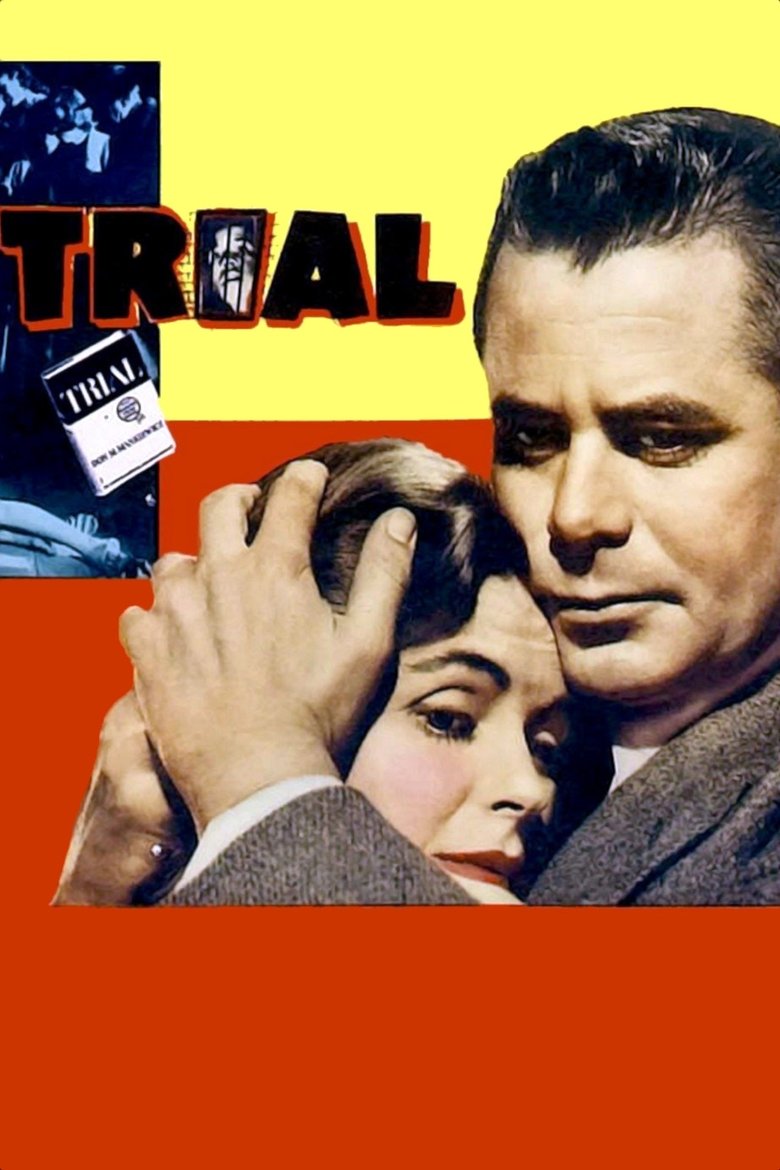
1955
NRDirector
Mark Robson
Runtime
105 minutes
Average Rating
No ratings yetSynopsis
A Mexican boy accused of rape and murder becomes a pawn for Communists and red-baiters. A courtroom drama set in 1947 and underlying post-WW2 acute problems facing the USA such as stormy race relations and the growing threat of local communism.
Overall Score
Limited
Category Breakdown
LGBTQ+ Representation
The film contains no LGBTQ+ characters or non-heteronormative identities. The story remains strictly within traditional mid-century social and legal structures.
Gender Representation
Female characters lack significant agency, serving primarily as catalysts for the male protagonist's distress. The film adheres to 1950s gender hierarchies and domestic archetypes.
Racial & Ethnic Diversity
A Mexican boy's accusation drives the plot, highlighting systemic racial tensions in post-WW2 America. However, his role as a political pawn limits his individual agency.
Religious & Cultural Diversity
The narrative reinforces Western judicial institutions and reflects contemporary American paranoia regarding communism. It lacks a critique of capitalism or Western hegemony.
Disability Representation
There are no depictions of physical, neurodivergent, or mental health disabilities that contribute to the narrative or provide meaningful representation.
Strengths
Areas for Improvement
AI Analysis
Trial is a period piece that uses a courtroom setting to explore the intersection of racial tension and Cold War politics. While it addresses systemic friction through the lens of a Mexican boy's legal struggle, the film remains tethered to the social hierarchies of 1955. The production lacks intentionality in disrupting gendered or queer norms, focusing instead on traditional domestic and political structures. Marginalized characters often function as subjects of scrutiny rather than self-determined agents. Ultimately, the film reflects the anxieties of its era without offering a modern critique of the institutions it portrays.
1945

1962
1952
1963
1961
1981
1940
1959
1957
1957
1951

1964
No reviews yet. Be the first to share your thoughts on this movie!
Use the rating form above to leave a star rating and optional review.