
The Seventh Sin
1957
No user ratings available yet
Representation score: 4.9 out of 10
Representation Score
Limited
1957
Not RatedDirector
Ronald Neame
Runtime
108 minutes
Average Rating
No ratings yetNew Showbiz Analysis
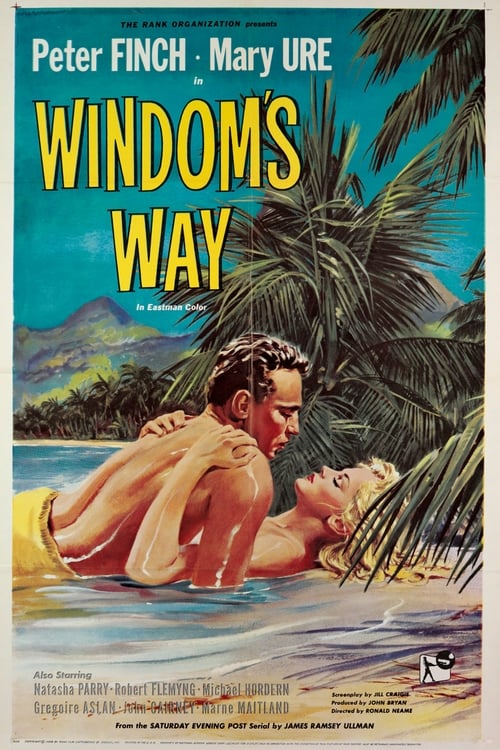
Windom's Way is a mid-century colonial drama that uses a non-Western setting to explore Western domestic and moral themes. The plot focuses on a doctor and his wife navigating marriage and political violence in an Asian rubber plantation setting. While the film includes a multi-ethnic cast and engages with colonial power dynamics, the structural focus remains on the Western protagonists. This suggests a traditional storytelling approach that likely reinforces existing social hierarchies rather than challenging them.
Category Breakdown
The film does not include any characters with non-straight or non-cisgender identities. It follows the traditional social structures typical of 1957 cinema.
The story revolves around a wife who performs emotional labor to save her marriage. Although she moves to a remote location, the male doctor remains the main driver of professional and political action.
The setting features a multi-ethnic cast including local plantation workers. However, it is unclear if these characters have significant roles in driving the story or merely serve as a backdrop for Western moral dilemmas.
The narrative explores tensions between local populations and colonial authorities. This setup often prioritizes the moral growth of Western protagonists over the systemic perspectives of the local community.
There is no mention of physical or neurodivergent disabilities within the narrative.
Present on Screen
Limited or Absent
Official Synopsis
A doctor's sophisticated wife joins him at his remote Asian practice to try and patch up their marriage. Increasingly violent friction between local rubber plantation workers and the authorities force both parties to make decisions.
1957

1950
1952

1955
1994

1960

1977

1954
No reviews yet. Be the first to share your thoughts on this movie!
Use the rating form above to leave a star rating and optional review.