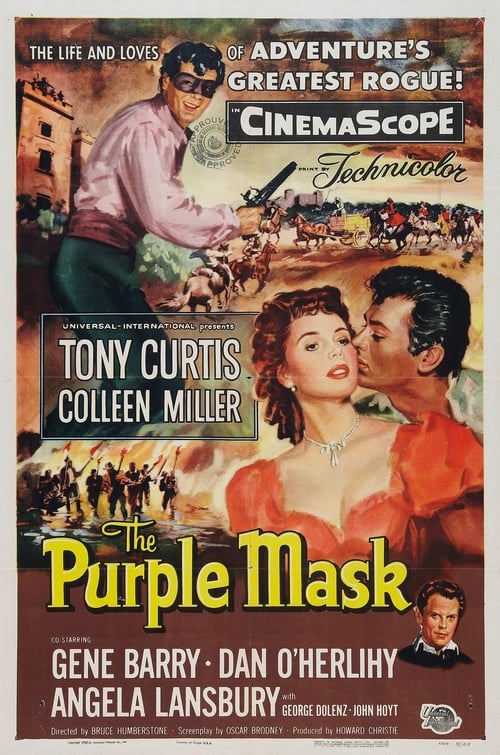
The Purple Mask
1955
No user ratings available yet
Representation score: 2.0 out of 10
Representation Score
Minimal
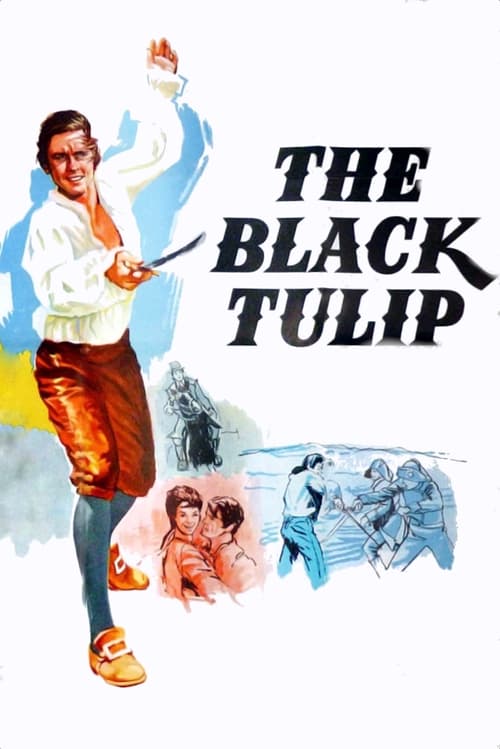
1964
Director
Christian-Jaque
Runtime
115 minutes
Average Rating
No ratings yetNew Showbiz Analysis
The Black Tulip is a traditional historical adventure that emphasizes classic storytelling and romantic ideals. It mirrors mid-century European cinema conventions accurately. Though the film offers a critical look at political corruption, it does not explore diverse social issues or challenge established norms. Its narrative remains centered on individual heroism rather than broader social progress. Overall, the film lacks diverse representation and reinforces traditional gender roles and social norms.
Category Breakdown
The film follows traditional romantic storylines typical of 17th-century period adaptations, focusing on the relationship between the main characters.
Gender hierarchies play a key role in the story's structure. Rosa drives the romantic storyline, while men handle political and botanical conflicts.
The film's cast is predominantly European, fitting the 17th-century Dutch setting. There are no non-white or non-European characters.
The story critiques corrupt officials by portraying them as villains. This challenges the idea of unchallengeable authority within a classic adventure format.
There are no significant portrayals of physical or cognitive disabilities. Such traits do not drive the plot or define any major characters.
Present on Screen
Limited or Absent
Official Synopsis
Aristocrat Guillaume de Saint Preux leads a double life as a masked bandit known as the Black Tulip. The Black Tulip only robs rich aristocrats, so the local peasants regard him as a hero. Baron La Mouche is convinced Guillaume is the Tulip. During a robbery, he scars the Tulip's face, and hopes to use this to expose Guillaume, but Guillaume is one step ahead.
1955
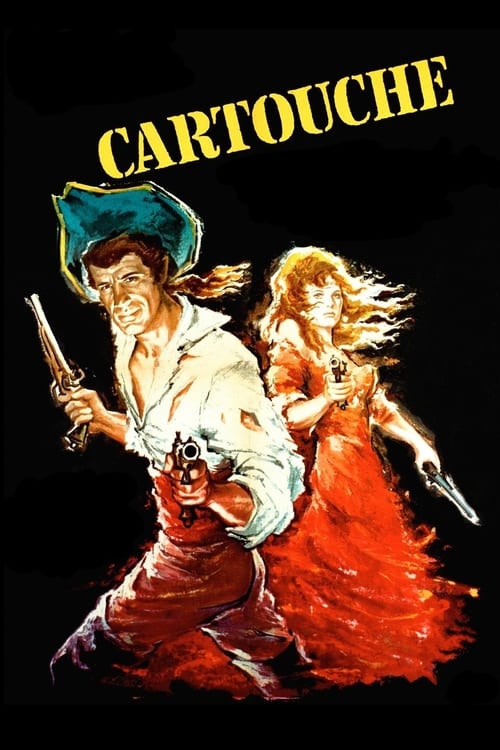
1962
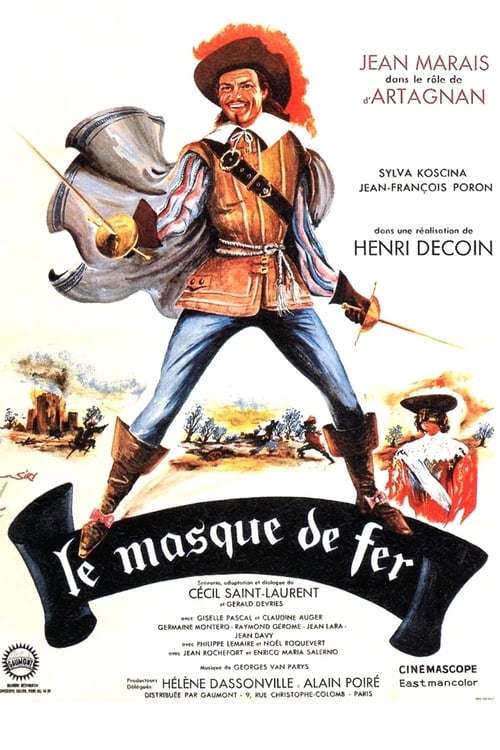
1962
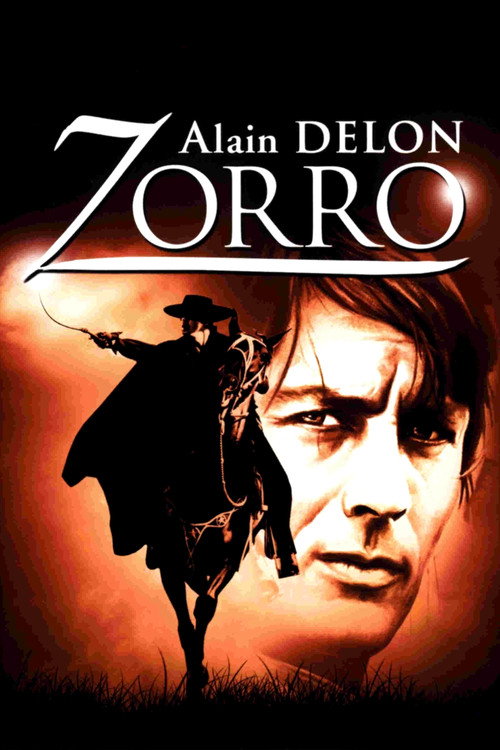
1975

1949
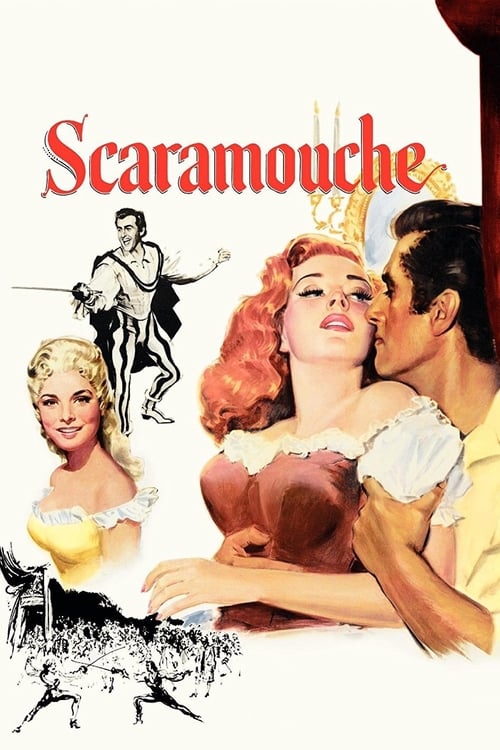
1952
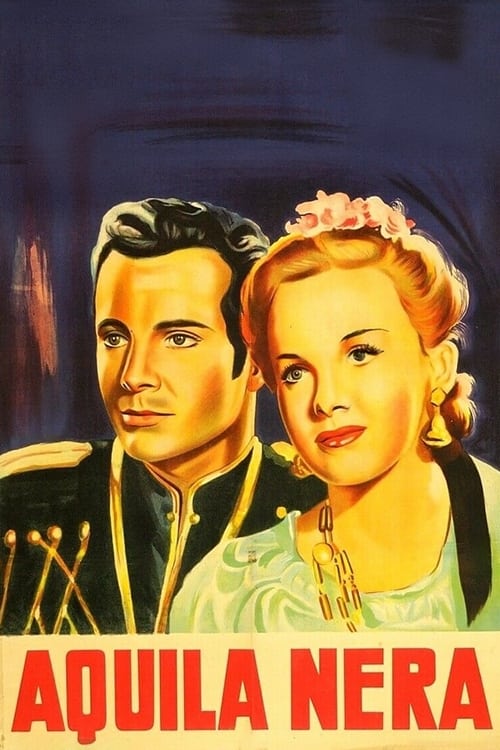
1946
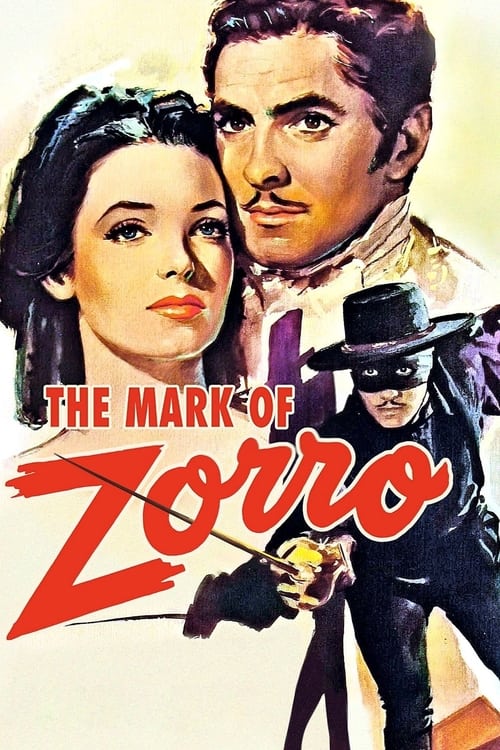
1940
No reviews yet. Be the first to share your thoughts on this movie!
Use the rating form above to leave a star rating and optional review.