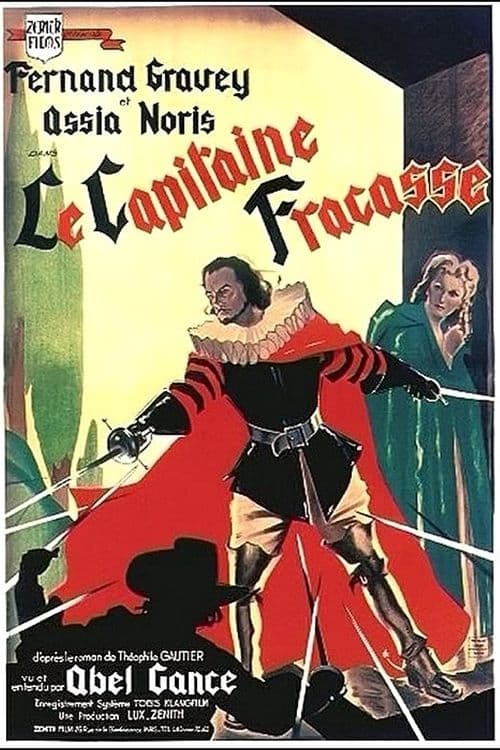
Captain Fracasse
1943
No user ratings available yet
Representation score: 0.6 out of 10
Representation Score
Limited
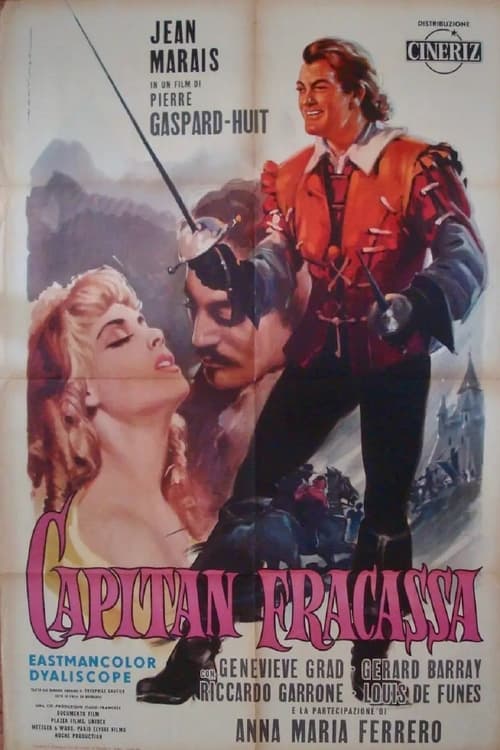
1961
Director
Pierre Gaspard-Huit
Runtime
108 minutes
Average Rating
No ratings yetNew Showbiz Analysis
Captain Fracasse is a period adventure that emphasizes historical realism and classical storytelling. It lacks modern markers of diversity, particularly regarding LGBTQ+ and racial diversity, which limits its score in those categories. However, the film offers progressive value through its depiction of class mobility. By empowering a underrepresented group of traveling actors to challenge the established social order, it subverts traditional aristocratic hierarchies. The narrative's strength lies in its socioeconomic commentary rather than identity-based representation.
Category Breakdown
The film follows a traditional heterosexual relationship between Philippe and Isabella, with no representation of LGBTQ+ identities or non-assuming gender matches what was assigned at birth characters.
Isabella actively refuses to compromise Philippe’s career for marriage, challenging the passive ingenue cliché. However, the narrative remains centered on traditional romantic dynamics.
The cast is ethnically uniform, reflecting the historical context of a 1961 French production. There are no non-white protagonists or racially diverse casting.
The story critiques class stratification by focusing on a traveling troupe. It portrays the rigid aristocracy as an obstacle to be overcome through performance.
There are no prominent depictions of visible or invisible disabilities. Characters are primarily defined by their social standing and theatrical roles.
Present on Screen
Limited or Absent
Official Synopsis
A ruined Baron Philippe de baron, meets one day a troupe of traveling actors led by Herod. Attracted by the one who plays the role of the ingenue: Isabella, and by the dynamism and enthusiasm of his companions, he takes the place of the deceased poet of the troupe. And during performances, Philippe became the captain Sunder. For his part, Isabelle loves Philip, but does not consider marriage, nobility him missing, she refuses to harm the career of Baron. And one day, the Duke of Vallombrosa, seduced by Isabella, finds himself challenged to a duel by Philippe for touching the girl. Defeated, he launched his men against Sunder, then removes Isabelle. The actors throw themselves then to storm the castle where she is being held. This time Vallombrosa was seriously injured, and the duke's own father, rushed to the scene, Isabelle discovers the girl he had once been an actress. Nothing stands now the union of Sunder and Isabella, under the tender gaze of the actors Herod and Scapin.
1943
1964
1963
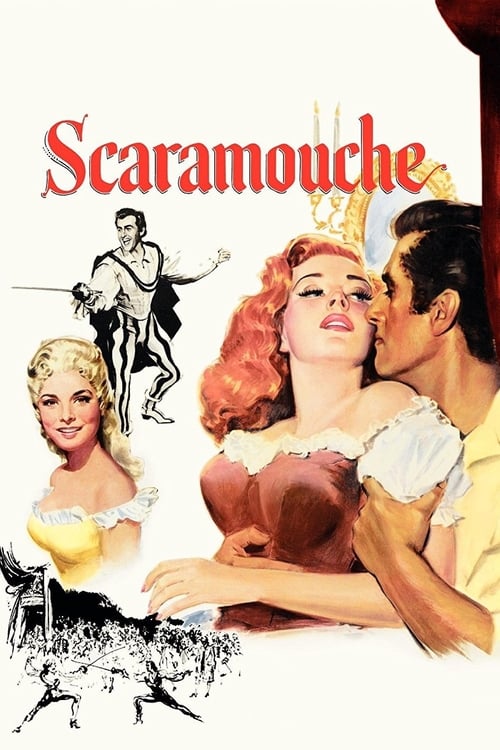
1952
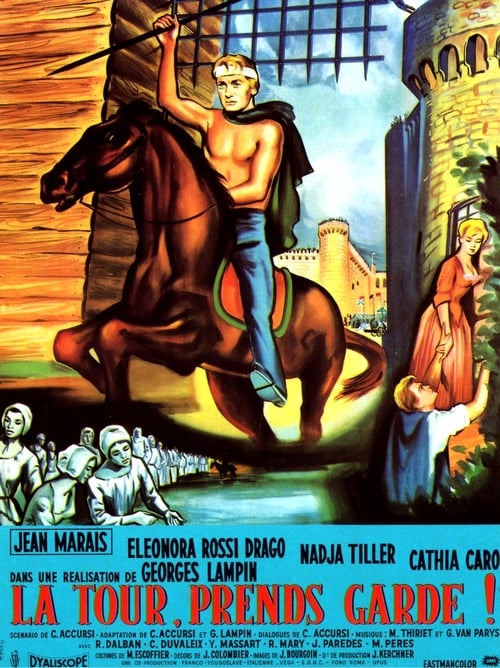
1958
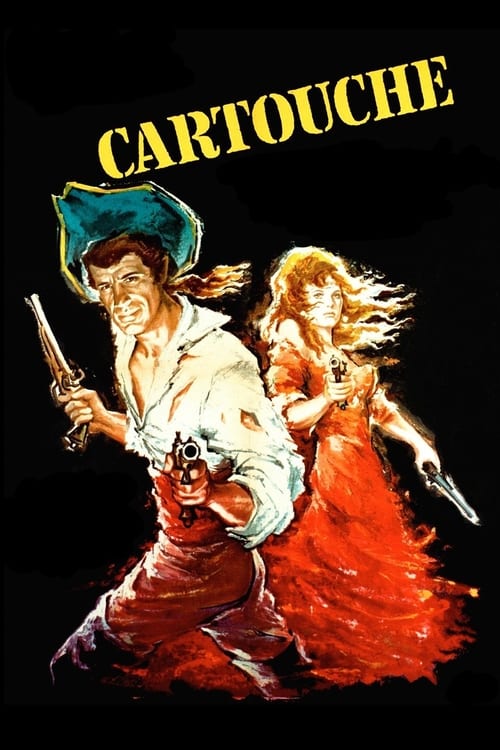
1962
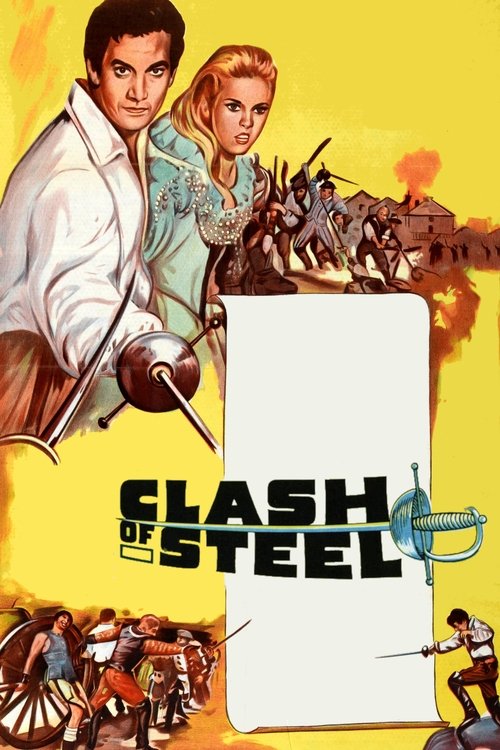
1962
1964
No reviews yet. Be the first to share your thoughts on this movie!
Use the rating form above to leave a star rating and optional review.