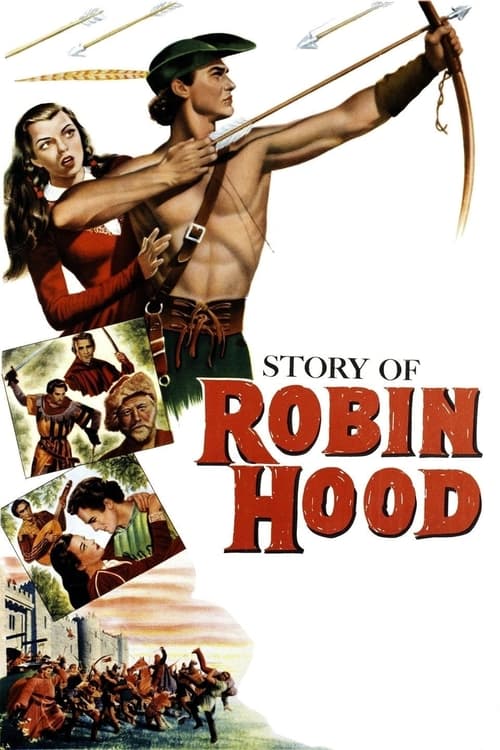
The Story of Robin Hood and His Merrie Men
1952
No user ratings available yet
Diversity score: 3.1 out of 10
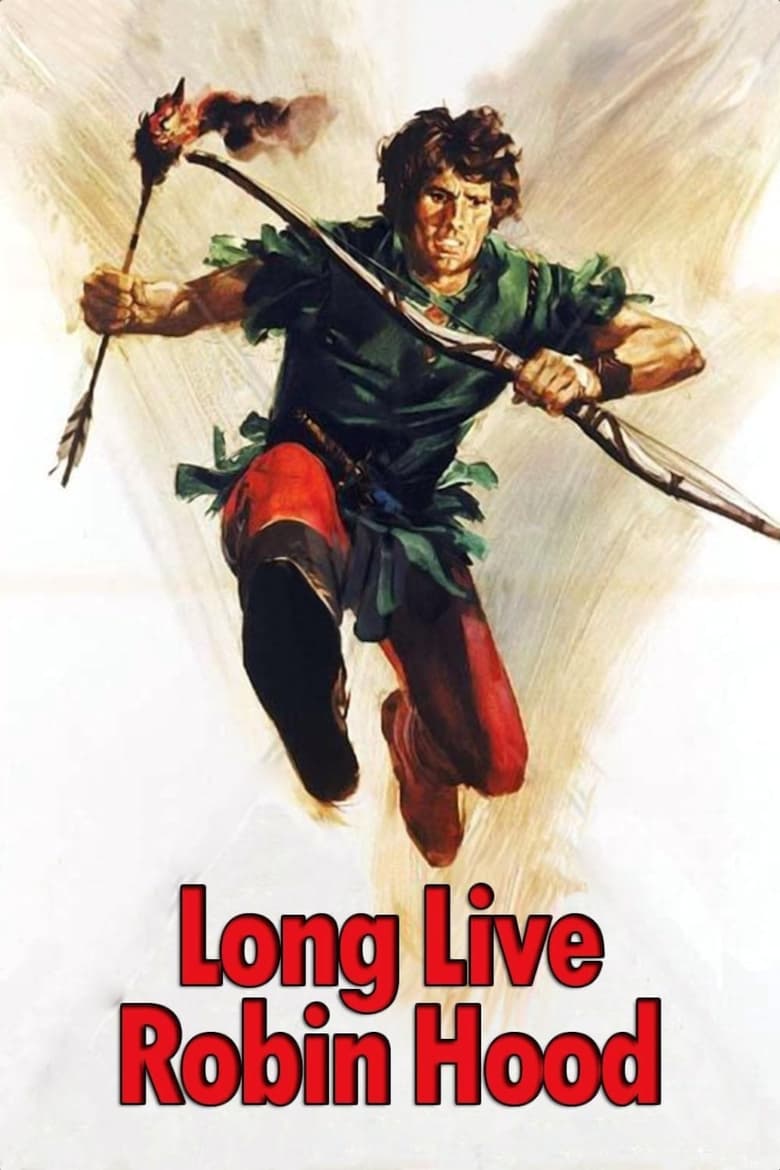
1971
GDirector
Giorgio Ferroni
Runtime
103 minutes
Average Rating
No ratings yetSynopsis
John Lackland seizes the English throne, believing the rightful ruler, his brother Richard the Lionheart, to be dead. When he learns that Richard is being held captive by the German emperor and can be ransomed for a large sum of money, he refuses to pay and orders the messengers, including Sir Henry of Nottingham, to be killed. Sir Henry escapes to Sherwood Forest, which belongs to his estates. There he joins forces with a group of Anglo-Saxons and fights under the name Robin Hood against the regime of the king's traitors...
Overall Score
Limited
Category Breakdown
LGBTQ+ Representation
The film follows conventional 1970s adventure tropes. There is no evidence of non-cisnormative identities or same-sex intimacy, as character dynamics remain strictly heteronormative.
Gender Representation
Female characters function primarily as secondary figures or romantic interests. While they lack independent agency, the film avoids active misogyny, settling instead into standard submissive femininity.
Racial & Ethnic Diversity
Casting is overwhelmingly homogeneous, reflecting a Eurocentric view of medieval England. The film lacks color-blind casting or any inclusion of non-white characters.
Religious & Cultural Diversity
The story provides a class-based critique of authority. By centering on a vigilante who redistributes wealth, it prioritizes the needs of commoners over the monarchy.
Disability Representation
There are no visible or invisible disabilities portrayed with agency. No characters have narratives defined by physical or neurodivergent conditions.
Strengths
Areas for Improvement
AI Analysis
Long Live Robin Hood is a traditional period adventure that adheres closely to the demographic and social norms of its era. It lacks intersectional representation across most categories, particularly regarding race, sexuality, and disability. However, the film finds depth through its socioeconomic themes. By framing the nobility as a corrupt force and focusing on the struggle of the peasantry, it offers a meaningful critique of institutional power. Ultimately, the film is a product of its time, prioritizing populist adventure tropes over modern standards of diverse representation.
1952
1994
1967
1964
1963
1928
1964
1956
1963
1960
1949
1965
No reviews yet. Be the first to share your thoughts on this movie!
Use the rating form above to leave a star rating and optional review.