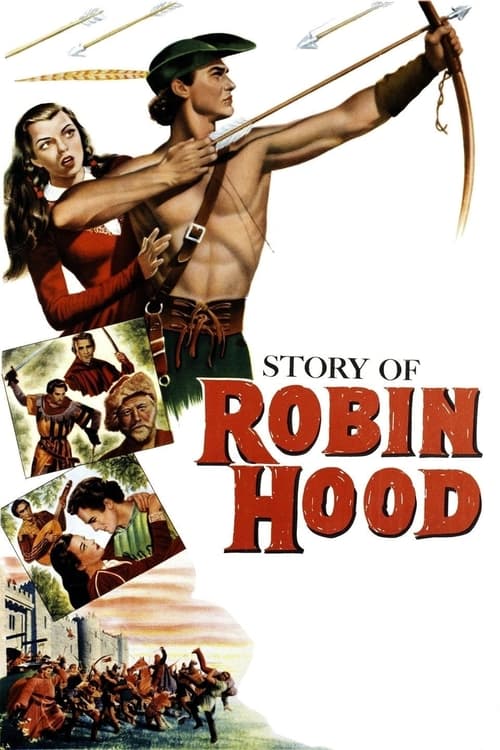
The Story of Robin Hood and His Merrie Men
1952
No user ratings available yet
Diversity score: 3.1 out of 10
No Poster Available
1994
GDirector
James Hunter
Runtime
67 minutes
Average Rating
No ratings yetSynopsis
Robin Hood is back with his gang of outlaws to do battle with the dark forces of the Sheriff of Nottingham. With his lands taken and father murdered, he and his gang of outlaws are forced to live in Sherwood forest and raid the Sheriff whenever needed. Not content with his life of crime, Robin Hood pleads with his men to overthrow the Sheriff once and for all. However, the Sheriff has plans of his own for Robin. In a stunning move, the Sheriff and his allies kidnap Lady Marian and hold her prisoner. In one last and desperate battle Robin Hood leads an assault upon Nottingham Castle to rescue his love, and bring balance back to England. Will the King return in time?
Overall Score
Limited
Category Breakdown
LGBTQ+ Representation
The film adheres to conventional heteronormative structures. The central conflict revolves around the romantic pursuit of Lady Marian, with no presence of same-sex intimacy or non-cisnormative identities.
Gender Representation
Lady Marian serves primarily as a catalyst for the male protagonist's agency. Her role is largely reactive, functioning as a romantic interest who requires rescue, which reinforces classical gender hierarchies.
Racial & Ethnic Diversity
The casting reflects a homogeneous medieval European demographic. The production maintains a traditionalist approach to historical aesthetics, centering a white, Anglo-Saxon cast within a standard Western context.
Religious & Cultural Diversity
The narrative explores socioeconomic disparity through the motif of redistributing wealth. While it critiques corrupt nobility, it remains rooted in traditional Western heroic archetypes and established moral boundaries.
Disability Representation
There is no discernible representation of physical, sensory, or neurodivergent characters. The story focuses on martial conflict and physical prowess rather than characters navigating the world through disability.
Strengths
Areas for Improvement
AI Analysis
This production is a traditionalist adventure that leans heavily on established folklore and classical storytelling tropes. It prioritizes historical period aesthetics and heroic archetypes over contemporary social subversion or intersectional complexity. The film reinforces existing social hierarchies, particularly regarding gender and race. While it offers a critique of systemic corruption through its socioeconomic subtext, it does so within a very narrow, conventional framework. Ultimately, the narrative architecture is designed to uphold traditional roles. It lacks the diverse casting or character depth required to challenge the status quo of the medieval adventure genre.
1952
1971
1964
1967
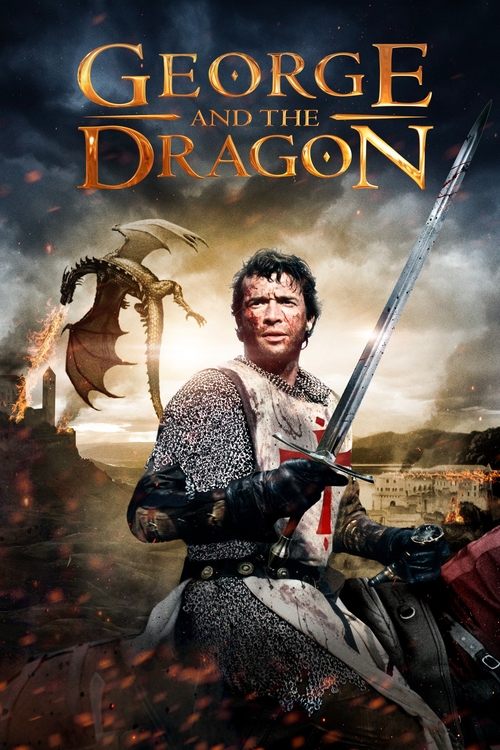
2004
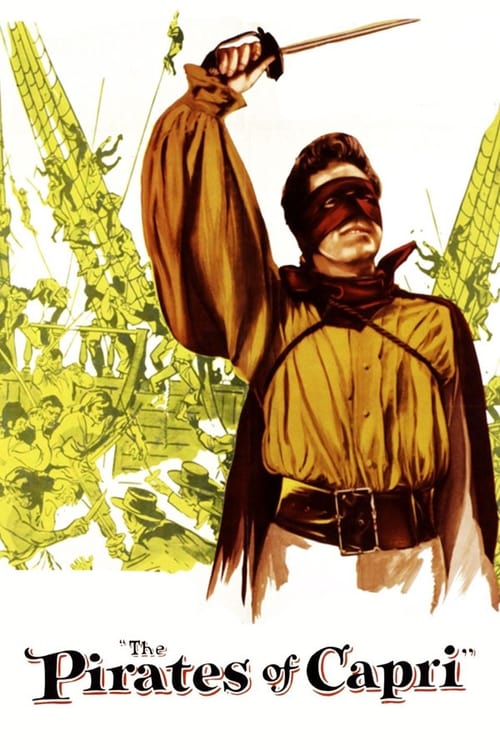
1949
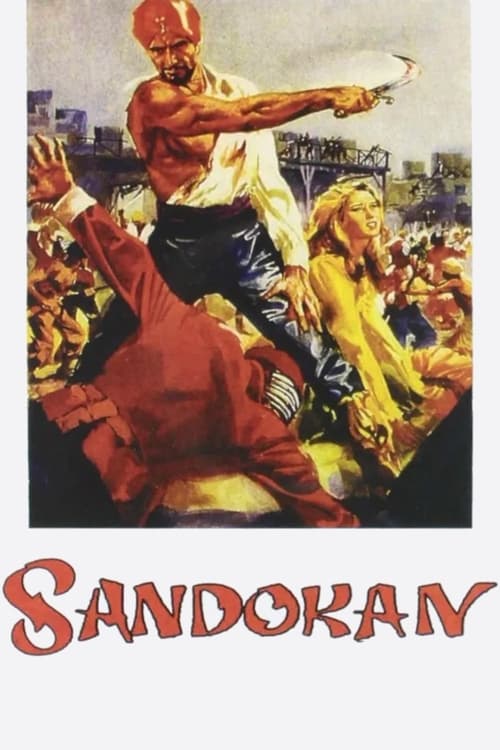
1963
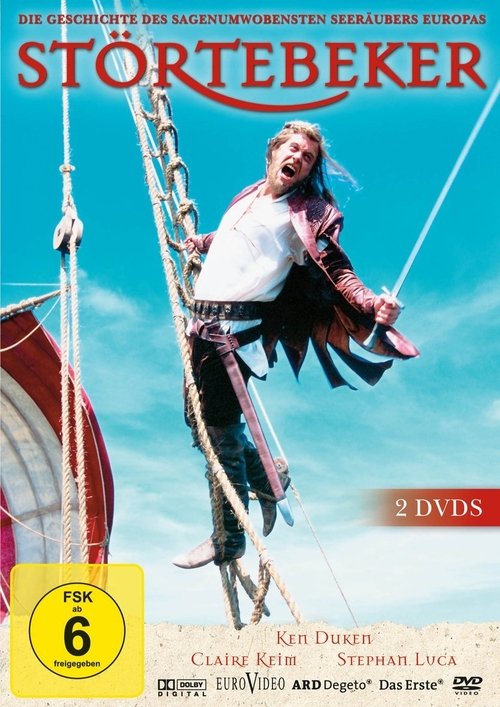
2006
2000
1982
2015
1957
No reviews yet. Be the first to share your thoughts on this movie!
Use the rating form above to leave a star rating and optional review.