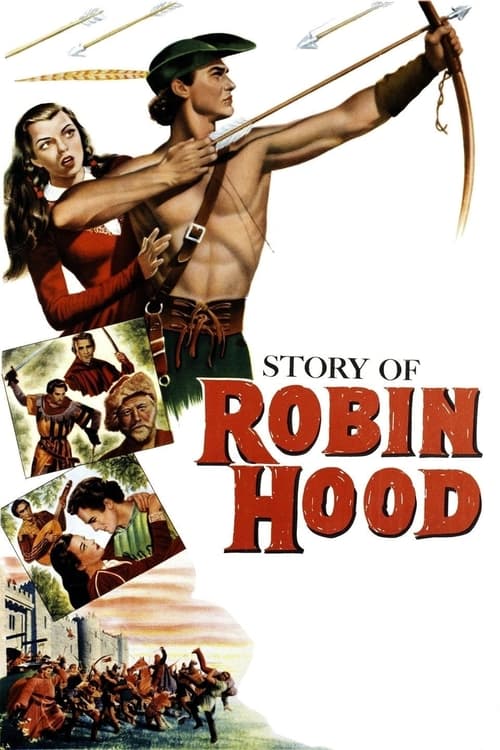
The Story of Robin Hood and His Merrie Men
1952
No user ratings available yet
Representation score: 1.4 out of 10
Representation Score
Limited
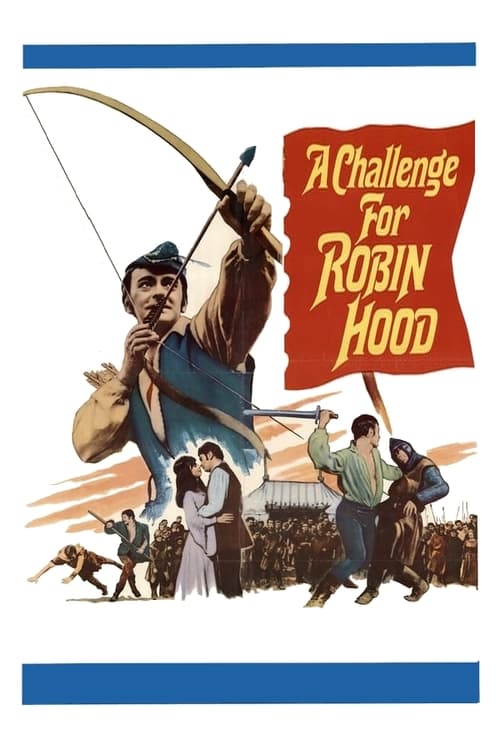
1967
GDirector
C.M. Pennington-Richards
Runtime
92 minutes
Average Rating
No ratings yetNew Showbiz Analysis
A Challenge for Robin Hood is a classic mid-century British adventure film that upholds traditional heroism and moral structures. It adheres to the era's conventions, emphasizing linear narratives and familiar archetypes. The film's primary strength lies in its thematic exploration of social justice, critiquing institutional corruption and the tyranny of the nobility. However, it is limited by the homogeneity of its cast and the social norms of the time, which exclude diverse identities and non-white characters.
Category Breakdown
The film adheres to traditional 1960s adventure norms, lacking any representation of LGBTQ+ identities. The story focuses on heterosexual relationships and does not include any non-cisgender characters.
The narrative emphasizes traditional gender roles, where women's actions are often defined by their relationships with male characters. Maid Marian's role is closely tied to Robin Hood, limiting her independence.
The cast is predominantly white, reflecting the era's Anglo-Saxon depiction of medieval England. There are no characters representing racial diversity or non-white backgrounds.
The story critiques institutional corruption by portraying the Sheriff as a symbol of legal authority. Wealth redistribution is framed as a moral imperative, challenging the status quo without a broader critique of Western institutions.
The film does not feature any characters with visible or invisible disabilities. The focus is on the physical prowess and martial abilities of able-bodied heroes.
Present on Screen
Limited or Absent
Official Synopsis
After being falsely accused of murder, Sir Robin of Loxley takes refuge in the untamed wilderness of Sherwood Forest where he stumbles across a group of outlaws. Although initially suspicious of the aristocrat's motives, the men are soon won over by his integrity and prowess and Robin transforms them into a formidable fighting force, stealing from the rich and giving to the poor. As word of his fame and valour spreads, a legend is born.
1952
1964
1958
1962
1994
1952
1959

2003
No reviews yet. Be the first to share your thoughts on this movie!
Use the rating form above to leave a star rating and optional review.