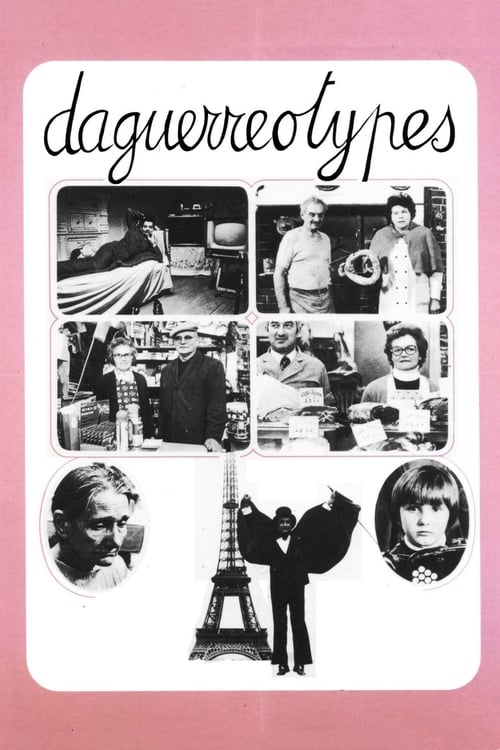
Daguerréotypes
1978
No user ratings available yet
Representation score: 8.5 out of 10
Representation Score
Excellent
1982
Director
Agnès Varda
Runtime
82 minutes
Average Rating
No ratings yetNew Showbiz Analysis
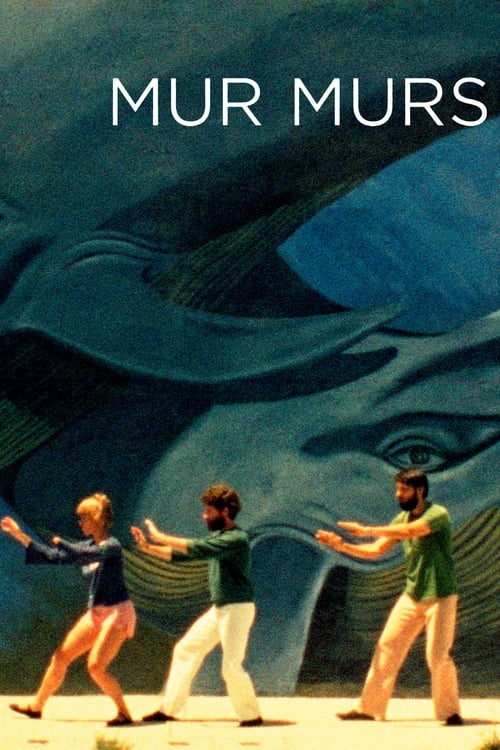
Agnès Varda’s documentary uses the murals of Los Angeles to explore the intersection of public art and personal identity. Moving from Venice Beach to Watts, the film captures a wide array of subcultures, from roller disco enthusiasts to evangelical Christians. The work succeeds by treating diverse cultural expressions as the primary drivers of the city's identity rather than mere spectacles. It effectively deconstructs traditional urban hierarchies through a decentralized, grassroots perspective. While the film provides a rich tapestry of racial and cultural variety, it lacks a centralized focus on specific disability narratives. Nevertheless, it remains a sophisticated study of postmodern subjectivity and urban life.
Category Breakdown
The film captures the fluid social dynamics of 1980s Los Angeles, presenting non-traditional identities as natural parts of the city's mosaic. It avoids a central LGBTQ narrative, focusing instead on the diverse social fabric.
Varda subverts traditional hierarchies by centering a female perspective on the urban environment. The film avoids the typical male gaze, emphasizing women's roles in artistic and social spheres.
The film excels by avoiding the portrayal of Los Angeles as a monolithic Anglo-Saxon space. It highlights the high ability to act of characters of color through their murals and presence in diverse ethnic neighborhoods.
A pluralistic view of spirituality is presented, showcasing belief systems like Hare Krishnas and evangelicalism. This approach avoids endorsing a singular Western or Christian orthodoxy.
Specific depictions of disability are less centralized within this broad sociological survey. However, the film offers a nuanced view of how individuals navigate physical space and human vulnerability.
Present on Screen
Limited or Absent
Official Synopsis
Venturing from Venice Beach to Watts, Varda looks at the murals of LA as backdrop to and mirror of the city’s many cultures. She casts a curious eye on graffiti and photorealism, roller disco & gang violence, evangelical Christians, Hare Krishnas, artists, angels and ordinary Angelenos.
1978
1981

2019
2000
2005
2017
2013

2017
No reviews yet. Be the first to share your thoughts on this movie!
Use the rating form above to leave a star rating and optional review.