Battle for Hong Kong
2020
No user ratings available yet
Diversity score: 6.6 out of 10
2014
Director
Hsieh Chin-Lin
Runtime
109 minutes
Average Rating
No ratings yetSynopsis
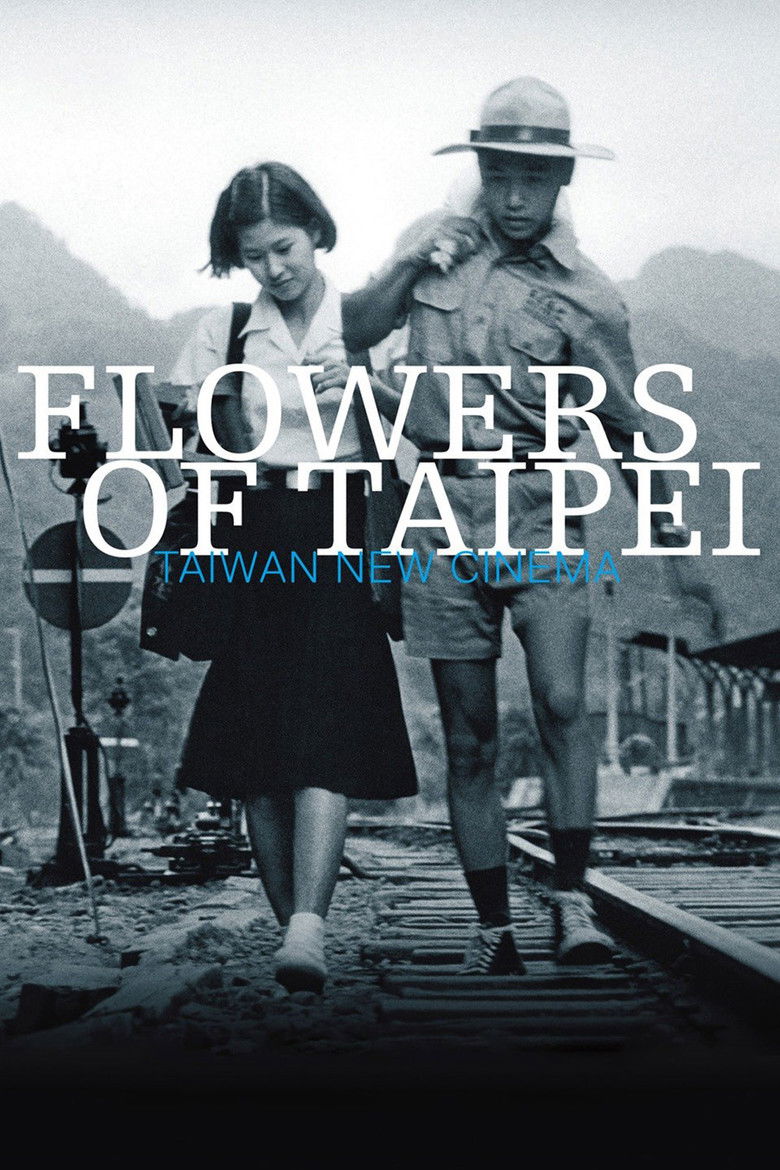
With Taiwan remaining in the grip of martial law in 1982, a group of filmmakers from that country set out to establish a cultural identity through cinema and to share it with the world. This engaging documentary looks at the movement's legacy.
Overall Score
Good
Category Breakdown
LGBTQ+ Representation
The documentary explores human intimacy and personal relationships within Taipei's urban landscape. However, it lacks explicit non-heteronormative identities or specific LGBTQ+ narratives as central structural elements.
Gender Representation
The film centers the internal lives and social agency of women. By focusing on female-centric narratives, it disrupts traditional patriarchal hierarchies and grants women significant intellectual and emotional agency.
Racial & Ethnic Diversity
The film excels in authentic, localized representation by centering the Taiwanese experience. It avoids the Western gaze, prioritizing a non-Anglo-Saxon identity that celebrates a historically suppressed cultural heritage.
Religious & Cultural Diversity
The documentary engages deeply with cultural identity and critiques historical power structures. It examines how the New Cinema movement challenged systemic hegemony and state-mandated narratives during martial law.
Disability Representation
There is no specific evidence regarding the portrayal of visible or invisible disabilities. The narrative focus remains on the socio-political and urban sociological aspects of the movement.
Strengths
Areas for Improvement
AI Analysis
Flowers of Taipei is a sophisticated retrospective that prioritizes localized, lived experiences over traditional historical narratives. It successfully deconstructs how authoritarianism impacts creative expression and cultural autonomy. The film's primary strength is its subversion of Western-centric cinematic norms. By focusing on the Taiwan New Cinema movement, it highlights the importance of identity politics and the reclamation of a suppressed heritage. However, the documentary lacks explicit focus on specific marginalized groups. While it provides deep cultural insight, it offers little representation for LGBTQ+ identities or disability perspectives.
2020

1965
2018
1993
1997

2019

2004
2018
2021
2012

1982
1977
No reviews yet. Be the first to share your thoughts on this movie!
Use the rating form above to leave a star rating and optional review.