
Welfare
1975
No user ratings available yet
Representation score: 7.7 out of 10
Representation Score
Excellent
1997
Director
Frederick Wiseman
Runtime
200 minutes
Average Rating
No ratings yetNew Showbiz Analysis
Wiseman’s observational approach provides a detailed look at power dynamics within the Ida B. Wells housing project. By focusing on the lived experiences of residents, the film shifts the narrative from institutional perspectives to those of the underrepresented community members. The film excels in its portrayal of Black and Latino communities, offering a deep exploration of systemic struggles. It goes beyond simple inclusion to critique the structures that govern these lives. While the film does not explicitly focus on specific identities like LGBTQ+ or religious groups, its refusal to impose conventional narratives results in a more authentic, albeit neutral, social portrait.
Category Breakdown
The film does not specifically highlight LGBTQ+ identities or stories of intimacy. Instead, it focuses on the existing social fabric without imposing assumptions about straight relationships.
The film highlights women's roles in maintaining community stability, challenging the idea that men are the primary providers. It shows how women take charge in managing communal life.
The film centers on a predominantly Black and Latino community, allowing residents to define their own environment. It avoids a perspective that only highlights white experiences.
The film critiques Western institutions and the management of poverty by capitalists. It portrays bureaucratic systems as oppressive forces rather than helpful providers.
The film captures the intersection of socioeconomic status and health within the community. It avoids portraying disabled individuals as inspirational figures by showing the realities of living in resource-limited environments.
Present on Screen
Limited or Absent
Official Synopsis
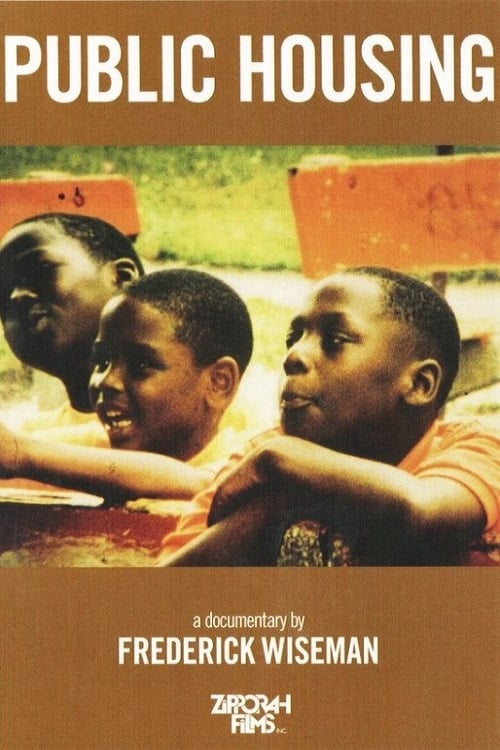
Public Housing is Wiseman’s unflinching portrayal of life at the Ida B. Wells housing project in Chicago, a raw exposition of the daily conflicts between residents and the bureaucratic machinery to which they are continually subjected. With intimate detail and an abiding dedication to his subject, Wiseman unearths the hidden facets of institutions to find humanity and sites of unexpected beauty.
1975

2000

1970
2000

2020

2011
2015
2004
No reviews yet. Be the first to share your thoughts on this movie!
Use the rating form above to leave a star rating and optional review.