Ulysse
1986
No user ratings available yet
Diversity score: 6.0 out of 10
1958
Director
Agnès Varda
Runtime
16 minutes
Average Rating
No ratings yetSynopsis
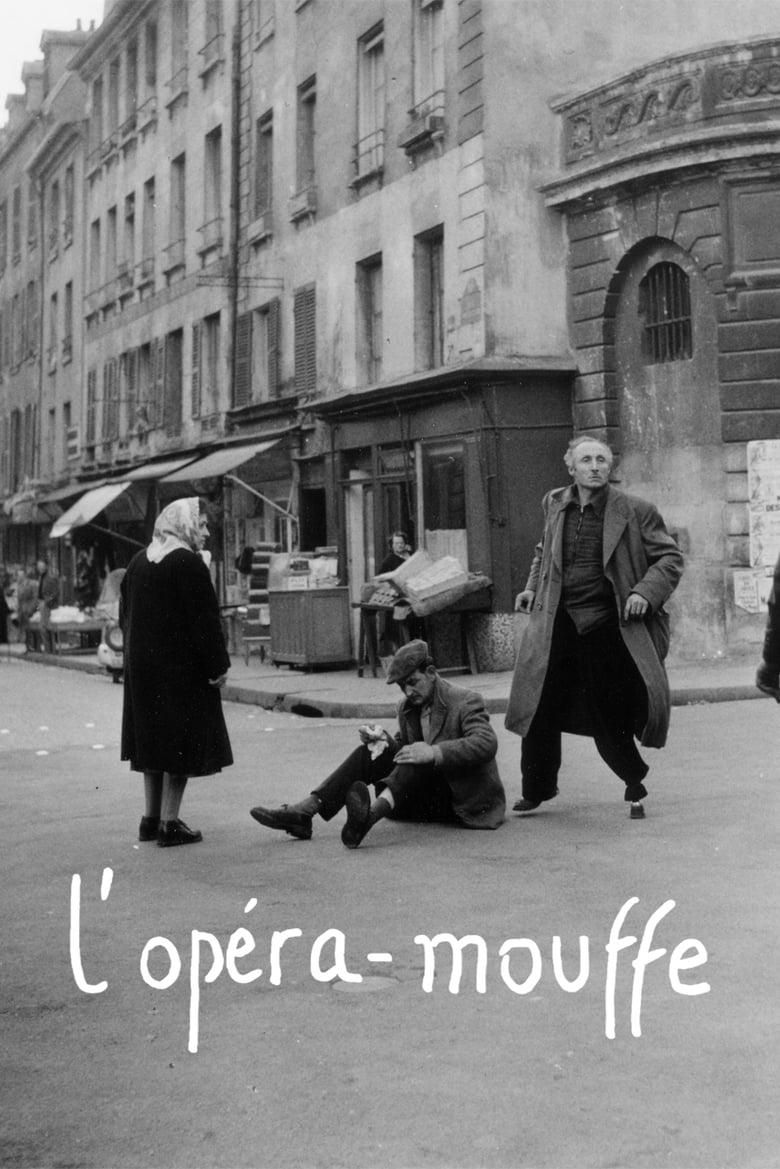
Impressions of the rue Mouffetard, Paris 5, through the eyes of a pregnant woman.
Overall Score
Good
Category Breakdown
LGBTQ+ Representation
The film does not explicitly center on queer identities or non-heteronormative romance. However, it subverts the traditional male gaze by prioritizing female physiological experience and subjectivity.
Gender Representation
The narrative grants a woman significant agency by placing her physical and psychological state at the center. It elevates domestic and biological realities, disrupting male-centric urban exploration standards.
Racial & Ethnic Diversity
The film focuses on the localized, socio-economic textures of a specific Parisian district. It lacks overt evidence of a non-white majority cast within its street-level view.
Religious & Cultural Diversity
Varda prioritizes subjective truth over institutional or religious dogma. The focus on the visceral and everyday deconstructs grand narratives by valuing individual experience over standardized social norms.
Disability Representation
Pregnancy is treated as a transformative physical condition that alters the protagonist's interaction with her environment. This provides a nuanced look at how bodily changes influence perception.
Strengths
Areas for Improvement
AI Analysis
Agnès Varda’s work is a landmark in feminist cinema, utilizing a subjective lens to disrupt traditional documentary structures. By centering a pregnant woman's perspective, the film shifts the focus from the urban landscape to internal, physiological realities. The film's strength lies in its refusal to treat the female subject as a passive object. Instead, the protagonist acts as an active, perceiving force that redefines the Rue Mouffetard through her own biological and social reality. While the film excels in gender agency and cultural subversion, it remains limited by its localized focus on a specific Parisian district. It lacks explicit representation of queer identities or diverse racial demographics.
1986
1975
2002
1978

1982
1986
2019
1993
1967
1963

1958
2008
No reviews yet. Be the first to share your thoughts on this movie!
Use the rating form above to leave a star rating and optional review.