
O Seasons, O Castles
1958
No user ratings available yet
Representation score: 0.9 out of 10
Representation Score
Good
1986
Not RatedDirector
Agnès Varda
Runtime
3 minutes
Average Rating
No ratings yetNew Showbiz Analysis
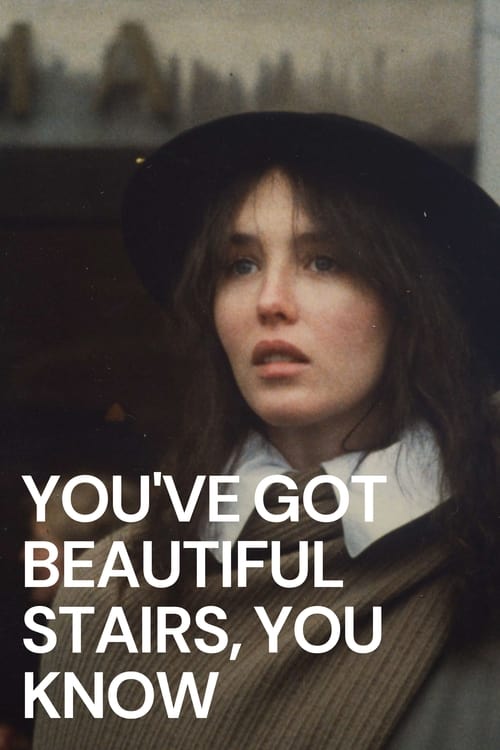
Agnès Varda’s documentary serves as a visual essay, using stairs as a motif to connect physical architecture with film history. It prioritizes visual symbolism over traditional plot development. The film's strength lies in its unique narrative structure. By focusing on a specific motif, Varda challenges conventional historical documentation and celebrates personal perspectives. While the film lacks specific demographic representation, it excels as a piece of visual art that questions traditional institutional commemorations.
Category Breakdown
The film doesn't include explicit LGBTQ+ characters. However, the avant-garde imagery hints at a connection with non-traditional queer aesthetics.
Directed by a pioneering female filmmaker, the film challenges traditional male-dominated structures. Agnès Varda uses her perspective to highlight the beauty in everyday life and architecture.
The film's visuals reflect a focus on European themes typical of the French Cinematheque. However, Varda finds beauty in small details that might otherwise go unnoticed.
The film focuses on aesthetic experiences rather than religious traditions. Using stairs as a symbol for change, it breaks away from conventional, linear narratives.
There is no indication of physical or neurodivergent identities being depicted in this documentary short.
Present on Screen
Limited or Absent
Official Synopsis
Short directed by Agnès Varda in 1986 on the occasion of the 50th anniversary of the French Cinematheque, presenting a contrast between the famous stairs from the place along with classic film images also revolving around stairs.
1958
2008
2003
2017
1983
1993
1978
2019
No reviews yet. Be the first to share your thoughts on this movie!
Use the rating form above to leave a star rating and optional review.