
Tchaïka
1994
No user ratings available yet
Representation score: 7.5 out of 10
Representation Score
Excellent
1983
Not RatedDirector
Chris Marker
Runtime
100 minutes
Average Rating
No ratings yetNew Showbiz Analysis
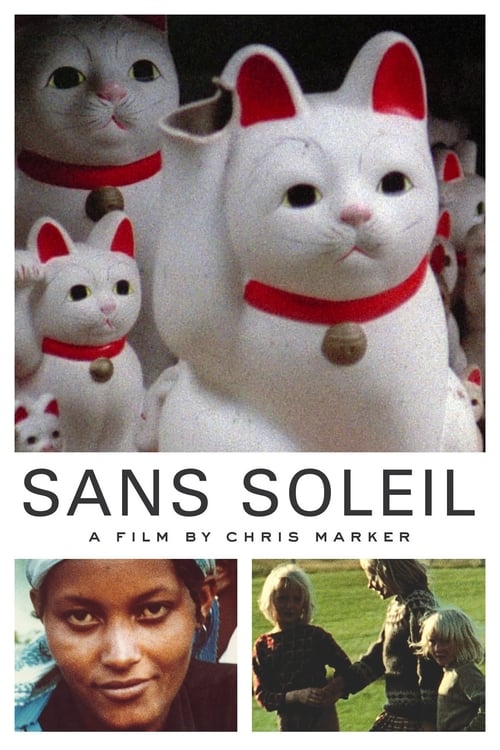
Sans Soleil is a progressive film that challenges traditional storytelling methods. It focuses on post-colonial themes and subjective experiences rather than objective reality. The film stands out for its global perspective and engagement with diverse cultures, particularly in Japan and Africa. However, it lacks specific character-driven stories related to LGBTQ+ identities and disabilities.
Category Breakdown
The film doesn't include explicit stories or characters with LGBTQ+ identities or those whose gender doesn't match their assigned sex at birth. While the structure allows for fluid identities, there are no specific queer character arcs or depictions of same-sex relationships.
The story is told from a female perspective, using Sandrina’s letters as a main voice. This shifts the focus away from typical male viewpoints, offering a fresh look at the world through a woman’s eyes.
The film has a broad international scope, delving into Japanese and African contexts. It avoids portraying these cultures through a Western lens, instead focusing on the everyday lives and post-colonial themes of these regions.
The work provides a nuanced critique of consumer culture and Western historical narratives. It portrays time and memory as personal experiences, challenging the dominant institutional views of history.
There is no specific depiction of physical or cognitive disabilities in the film. The focus is on the shared human experience of memory rather than individual health conditions.
Present on Screen
Limited or Absent
Official Synopsis
A woman narrates the thoughts of a world traveler, meditations on time and memory expressed in words and images from places as far-flung as Japan, Guinea-Bissau, Iceland, and San Francisco.
1994

1929

1966

1927
1956

2008
1981
1992
No reviews yet. Be the first to share your thoughts on this movie!
Use the rating form above to leave a star rating and optional review.