Diary of a Pregnant Woman
1958
No user ratings available yet
Representation score: 8.5 out of 10
Representation Score
Excellent
1978
Not RatedDirector
Agnès Varda
Runtime
80 minutes
Average Rating
No ratings yetNew Showbiz Analysis
Agnès Varda’s documentary excels by shifting the lens from top-down observation to a lateral, empathetic engagement with subjects. By focusing on those existing on the fringes of traditional social structures, the film avoids the clinical gaze that often dehumanizes underrepresented groups. The narrative structure successfully deconstructs social hierarchies, particularly regarding gender and disability. Rather than treating subjects as objects of pity or social performance, Varda presents them as complex individuals with their own internal logic. While the film lacks explicit focus on racial or LGBTQ+ identities, its broader study of the human condition and its critique of Western authority provide a meaningful, inclusive framework.
Category Breakdown
The film avoids direct representations of non-binary gender identities and romantic relationships. Instead, it focuses on fluid, unscripted human connections within a communal setting, challenging traditional expectations.
The film deconstructs traditional gender roles by observing individuals outside of professional or domestic settings. This approach emphasizes raw human existence rather than prescribed gender performances.
The film features a diverse cast representing a cross-section of humanity. While it does not focus on specific ethnic identities, it uses 'otherness' to explore underrepresented experiences.
The film embraces moral relativism, critiquing Western institutions that tend to categorize individuals. It prioritizes lived experience over systemic control.
This is the film's strongest area, providing a significant role in driving the story to those with mental health conditions. It avoids the medical gaze, presenting neurodivergence as a valid and dignified way of life.
Present on Screen
Limited or Absent
Official Synopsis
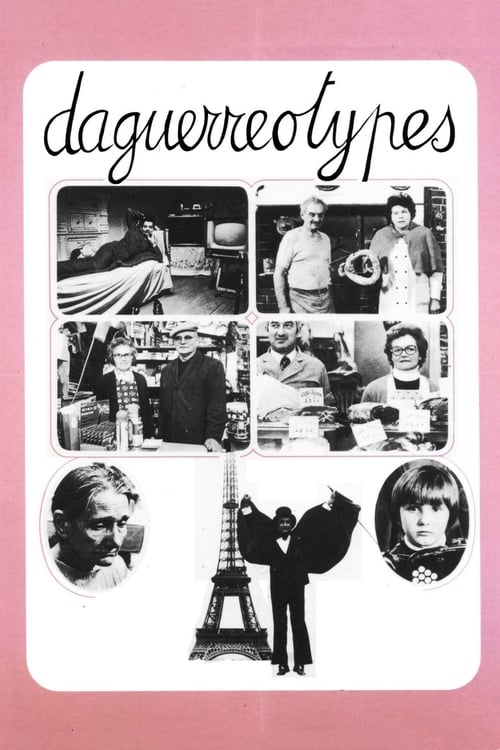
An intimate portrait of the small shops and shopkeepers of the Rue Daguerre in Paris, a picturesque street that has been the filmmaker’s home for more than 50 years.
1958
1929
1974

2008

1982
1978
2019

1958
No reviews yet. Be the first to share your thoughts on this movie!
Use the rating form above to leave a star rating and optional review.