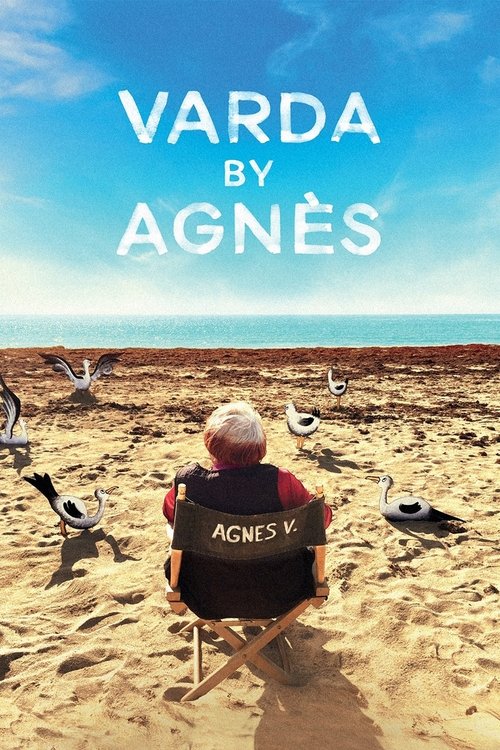
Varda by Agnès
2019
No user ratings available yet
Representation score: 6.6 out of 10
Representation Score
Good
1967
Director
Agnès Varda
Runtime
18 minutes
Average Rating
No ratings yetNew Showbiz Analysis
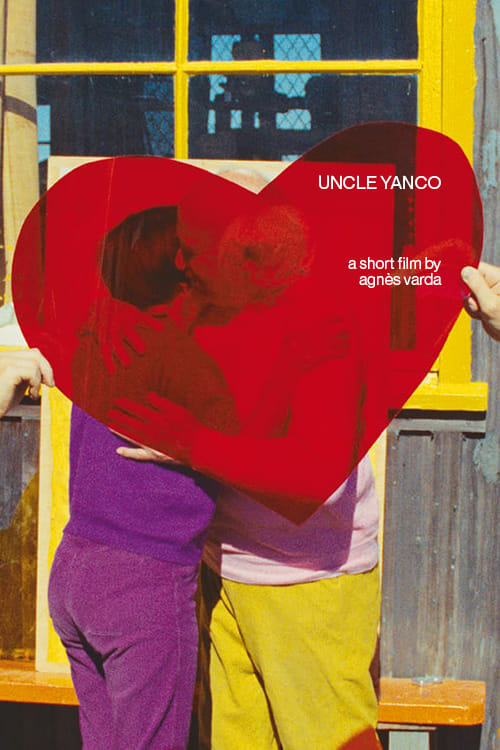
Uncle Yanco serves as a visual record of social change in the late 1960s. It emphasizes personal freedom and the dismantling of traditional family structures over strict societal norms. The film excels in celebrating individual choice and lifestyle autonomy. By showcasing a life outside conventional economic and social norms, Varda challenges established expectations. However, the narrative primarily focuses on a localized personal story, limiting broader representation of racial and multi-layered diversity.
Category Breakdown
The film is set in San Francisco in 1967, a time known for its role in the LGBTQ+ rights movement. This setting highlights a period where social norms were being challenged.
Director Agnès Varda actively investigates her family history rather than passively observing. She positions herself as a key figure in the story, emphasizing her own role and curiosity.
The story focuses on a specific personal interaction within a particular cultural group. There is no clear indication of a predominantly non-white cast or multi-layered racial dynamics.
The film portrays a life lived on a boat, which contrasts with traditional land-based living. This depiction critiques the stability of capitalist society and conventional domestic life.
There is no information about the portrayal of physical or cognitive disabilities in this film.
Present on Screen
Limited or Absent
Official Synopsis
While in San Francisco for the promotion of her last film in October 1967, Agnès Varda, tipped by her friend Tom Luddy, gets to know a relative she had never heard of before, Jean Varda, nicknamed "Yanco". This hitherto unknown uncle lives on a boat in Sausalito, is a painter, has adopted a hippie lifestyle and loves life. The meeting is a very happy one.
2019
2008
1970
1961
1995

2014

1967

2018
No reviews yet. Be the first to share your thoughts on this movie!
Use the rating form above to leave a star rating and optional review.