
You've Got Beautiful Stairs, You Know...
1986
No user ratings available yet
Diversity score: 6.0 out of 10
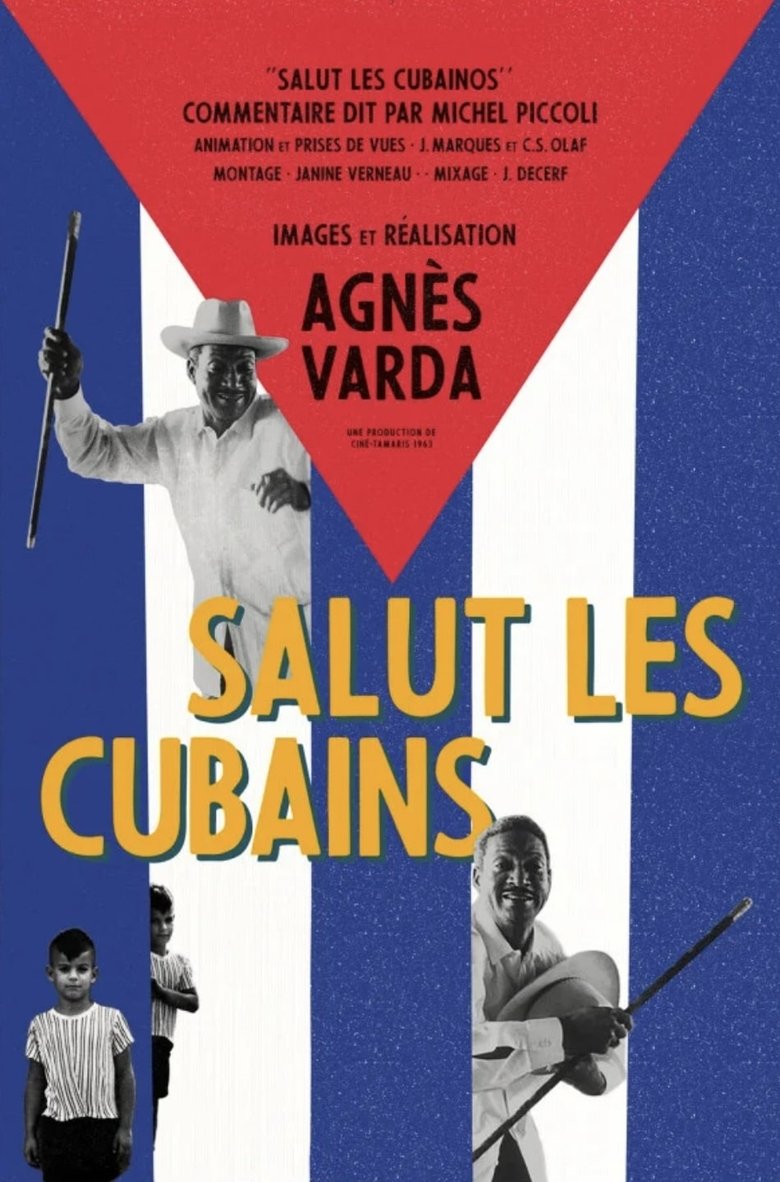
1963
Not RatedDirector
Agnès Varda
Runtime
30 minutes
Average Rating
No ratings yetSynopsis
A photo montage of Cubans filmed by Agnès Varda during her visit to Cuba in 1963, four years after Fidel Castro came to power. This black & white documentary explores their socialist culture and society while making use of 1500 pictures (out of 4000!) the filmmaker took while on the island.
Overall Score
Excellent
Category Breakdown
LGBTQ+ Representation
The film focuses on the collective social fabric rather than individual romantic narratives. While specific queer identities are not explicitly detailed, the documentary's interest in deconstructing traditional social structures suggests a lens that avoids heteronormative rigidity.
Gender Representation
Varda’s lens elevates the presence of women within both public and domestic spheres. By documenting daily life, the film highlights female agency within a socialist framework and disrupts traditional patriarchal historical narratives.
Racial & Ethnic Diversity
The documentary provides a profound exploration of a predominantly non-white society. By centering the Cuban experience, Varda de-centers the Western gaze and validates the lived experiences of the Global South.
Religious & Cultural Diversity
The work is deeply engaged with socialist themes and the rejection of Western capitalist models. It presents the Cuban social order as a valid, lived reality rather than through a Western moral lens.
Disability Representation
The photo-montage format and lack of character-driven arcs provide insufficient evidence to assess the representation of physical or neurodivergent disabilities.
Strengths
Areas for Improvement
AI Analysis
Agnès Varda’s documentary is a significant piece of decolonial media that disrupts Western-centric traditions. By utilizing a photo-montage of 1,500 images, the film fosters cultural immersion and systemic empathy for a nation undergoing radical transformation. The work excels by prioritizing the agency of a non-Western population and refusing to apply a capitalist-normative moral hierarchy to the Cuban social experiment. It successfully shifts the focus from individualistic consumerism to a communal, collective identity. While the film is strong in racial and cultural representation, it lacks specific evidence regarding LGBTQ+ identities or disability representation. The focus remains on the broader social landscape rather than individual character arcs.
1986
1968

1982
1975
2002
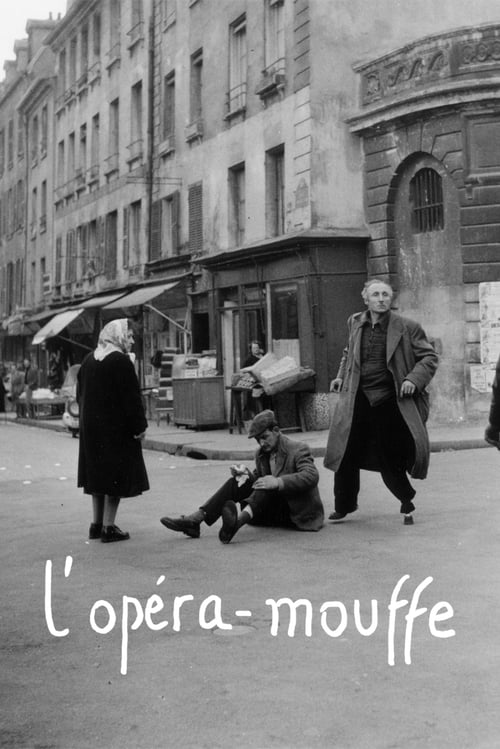
1958
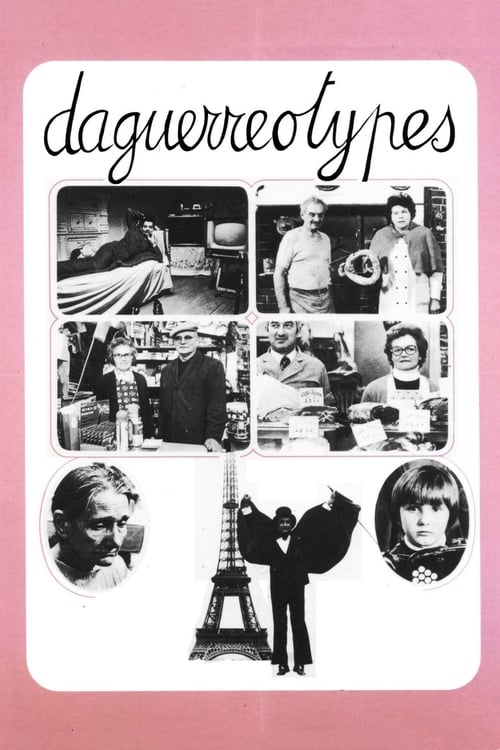
1978

1958

2004
1976
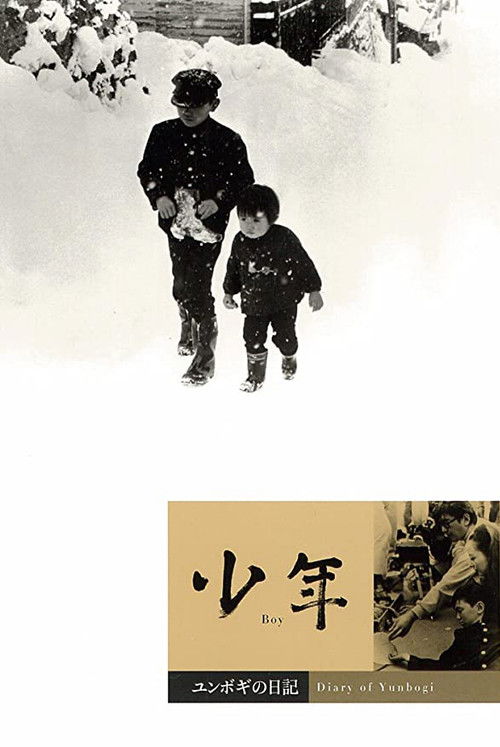
1965
2020
No reviews yet. Be the first to share your thoughts on this movie!
Use the rating form above to leave a star rating and optional review.