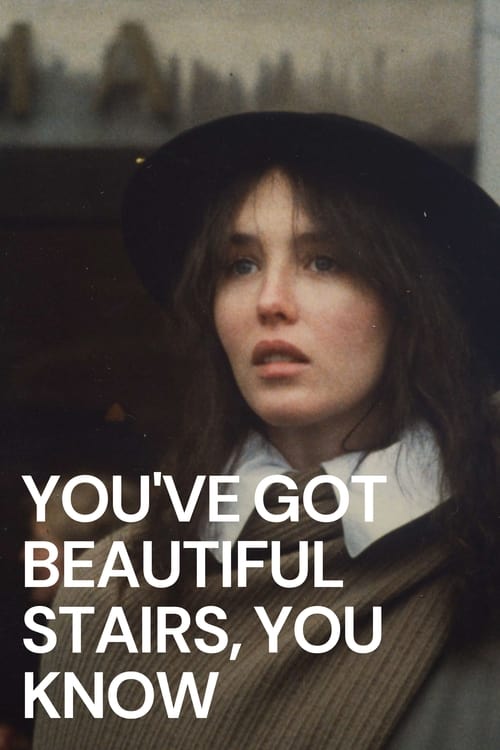
You've Got Beautiful Stairs, You Know...
1986
No user ratings available yet
Representation score: 6.2 out of 10

Representation Score
Minimal
1958
Director
Agnès Varda
Runtime
21 minutes
Average Rating
No ratings yetNew Showbiz Analysis
This commissioned documentary for the French Tourist Bureau prioritizes architectural heritage and landscapes over human social dynamics. The focus on inanimate structures and seasonal changes leaves little room for character-driven identity exploration. While Varda’s directorial presence is a notable instance of female leadership in the 1950s, the film’s purpose is institutional, promoting regional tourism through the lens of historical preservation. Ultimately, the film lacks the narrative structure to address overlapping aspects of identity, resulting in a narrow scope that reflects the demographic norms of its era.
Category Breakdown
The film focuses on the seasonal beauty of châteaux and nature. There are no visible LGBTQ+ characters or stories that address non-cisgender identities.
Agnès Varda’s direction highlights significant female leadership for the time, but the film centers on architecture rather than exploring gendered power dynamics.
The documentary reflects the cultural homogeneity typical of mid-century French tourism media. It lacks diverse casting or representation of non-Anglo-Saxon populations.
The work celebrates traditional Western heritage and historical institutions. It primarily serves as a study of national heritage and landscape preservation.
There is no evidence of characters or subjects with visible or invisible disabilities portrayed within this documentary framework.
Present on Screen
Limited or Absent
Official Synopsis
A short documentary on the chateaux of the Loire in France was commissioned by the French Tourist Bureau.
1986
2017
1978
1983
1984
1950
2001

2012
No reviews yet. Be the first to share your thoughts on this movie!
Use the rating form above to leave a star rating and optional review.