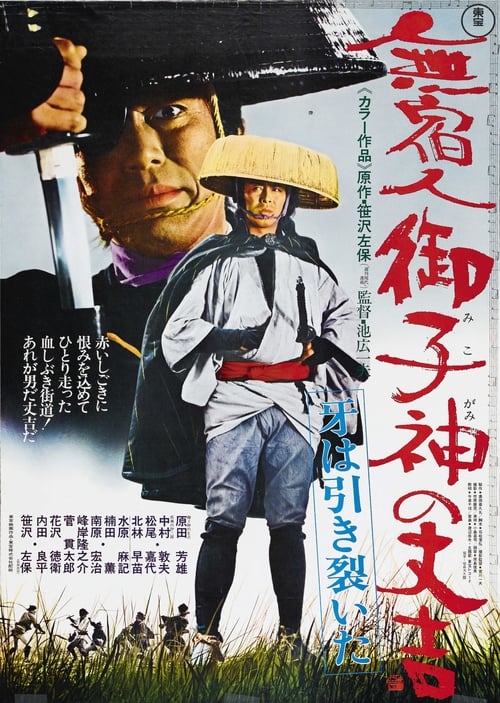
The Trail of Blood
1972
No user ratings available yet
Diversity score: 3.8 out of 10
1966
Director
Kazuo Ikehiro
Runtime
86 minutes
Average Rating
No ratings yetSynopsis
[Period Covered: 1570-1573] Towards the end of the Tenmon Era, Shogun Ashikaga`s powers were weakening by the day and many were there who planned to overthrow him. It was the beginning of the Sengoku (Warring States) period. Three men attack a gunpowder maker in a farmhouse, the first chopping off his arm with his sickle-&-chain weapon, the second blinding him with sword, the third giving the killing blow. His son Kojiro Kosume escapes the attackers as everything he has known up to then explodes into conflagration. He grows up & enters the start of the Tokugawa Era, intent on avenging his father.
Overall Score
Limited
Category Breakdown
LGBTQ+ Representation
The film lacks any evidence of LGBTQ+ characters or narratives. It adheres to the conventional social structures of the Sengoku period.
Gender Representation
The story centers on a male-driven cycle of vengeance. It reinforces traditional masculine trajectories through themes of violence and retribution without showing female agency.
Racial & Ethnic Diversity
Set in 16th-century Japan, the film depicts a culturally homogeneous society. It focuses on internal political strife rather than multi-ethnic or cross-cultural dynamics.
Religious & Cultural Diversity
The narrative is rooted in the values of the Sengoku and Tokugawa eras. It utilizes feudal institutions as the primary engine for the protagonist's journey.
Disability Representation
Characters are blinded or maimed to establish the stakes of violence. These instances serve as plot devices rather than nuanced explorations of disability.
Strengths
Areas for Improvement
AI Analysis
The film is a traditional period action piece that prioritizes a linear, masculine arc of vengeance. It operates within the established genre frameworks of 1960s Japanese cinema, focusing on historical accuracy regarding the Sengoku era rather than social deconstruction. While the film captures the atmospheric tension of the era, it lacks intersectional diversity. The narrative relies on traditional hierarchies and does not offer subversions of the patriarchal or feudal structures present in the setting. Ultimately, the work functions as a genre-specific study of duty and retribution, leaving little room for marginalized identities or diverse perspectives.
1972
1969
1965
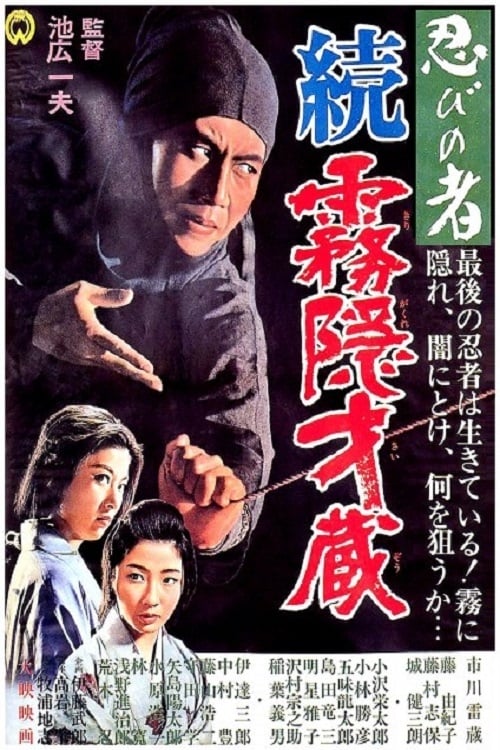
1964
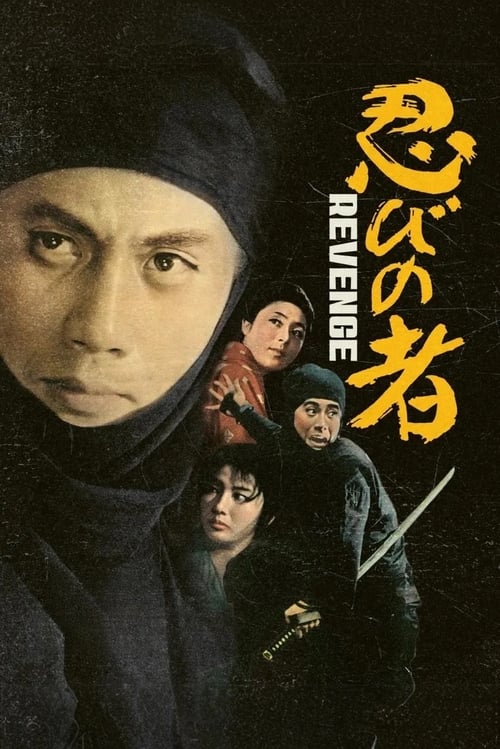
1963
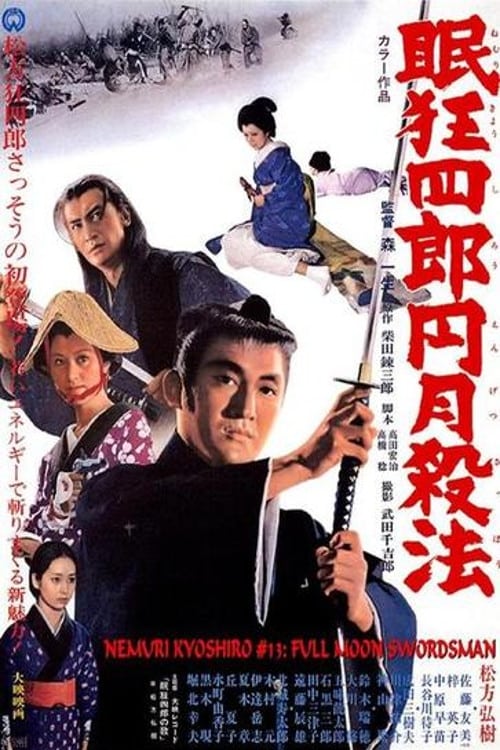
1969

1963
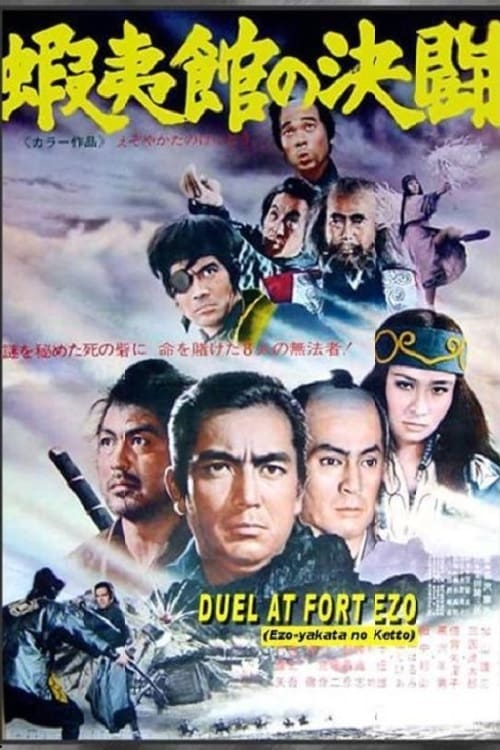
1970
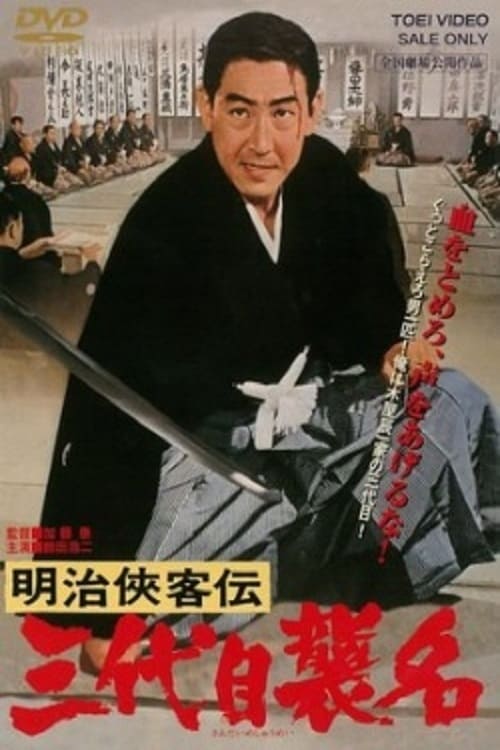
1965
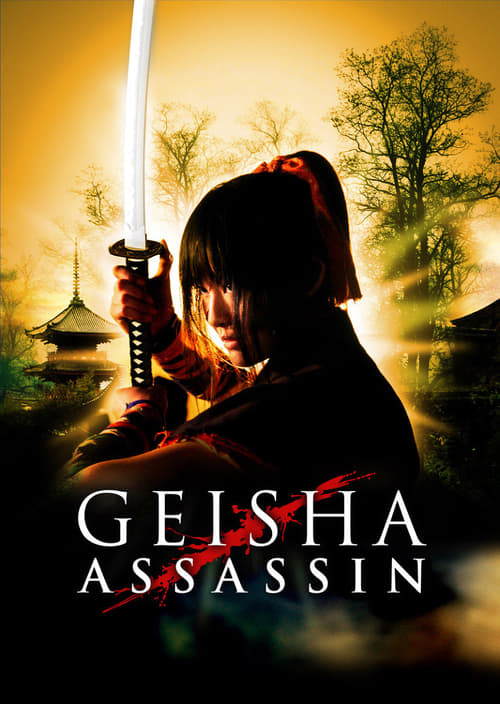
2008
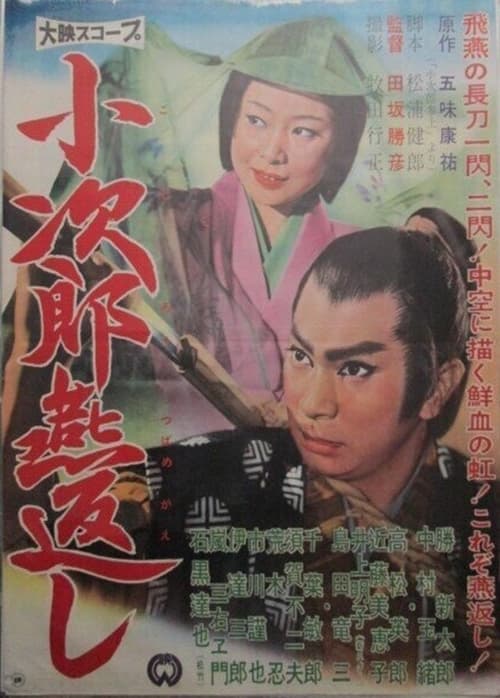
1961
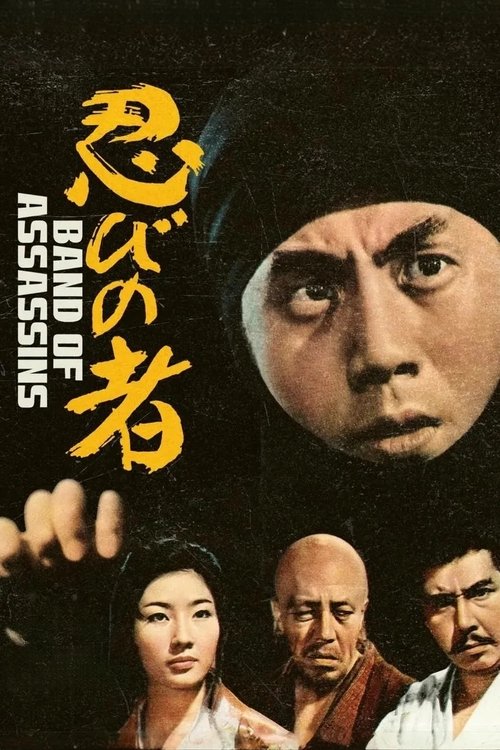
1962
No reviews yet. Be the first to share your thoughts on this movie!
Use the rating form above to leave a star rating and optional review.