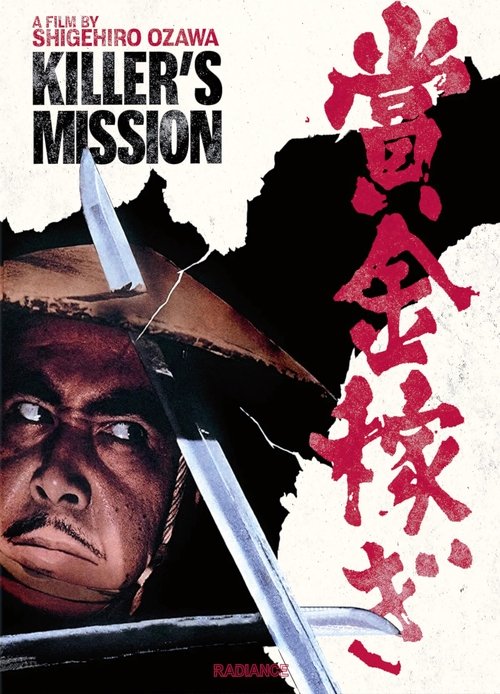
Killer's Mission
1969
No user ratings available yet
Representation score: 3.9 out of 10
Representation Score
Minimal
1970
Director
Kengo Furusawa
Runtime
131 minutes
Average Rating
No ratings yetNew Showbiz Analysis
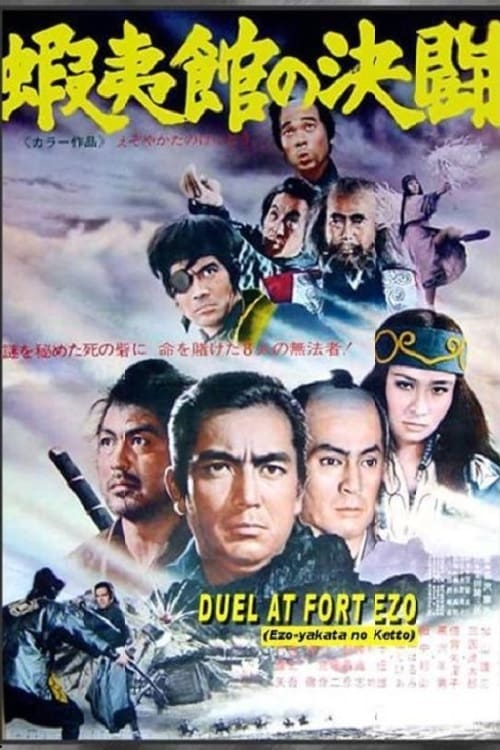
Duel at Fort Ezo adheres to the conventional structures of 1970s action cinema. The story relies on established genre clichés, emphasizing a male-led mission that upholds traditional social hierarchies. While the film introduces international elements through a Russian character, these additions support the adventure plot rather than deconstructing racial or cultural boundaries. The narrative architecture remains focused on individual heroism and state authority. Overall, the film lacks significant representation of LGBTQ+ identities or disability, functioning as a typical period piece that prioritizes historical genre conventions over modern multi-layered depth.
Category Breakdown
The film does not include any non-cisgender gender identities or same-sex relationships. The story revolves around a traditional mission led by a male protagonist.
Shinbei leads the story through his actions and a secret mission. Female characters such as the Russian count's daughter appear but mainly as catalysts for adventure rather than primary agents.
The setting in Ezo and the inclusion of a Russian count's daughter introduce cross-cultural dynamics. This adds a layer of ethnic diversity within the Japanese historical context.
The conflict between samurai authority and local villagers explores power dynamics. However, the story follows a traditional adventure structure without challenging systemic issues.
There are no characters with visible or invisible disabilities mentioned in the narrative.
Present on Screen
Limited or Absent
Official Synopsis
1864. Samurai Shinbei is sent in a secret mission to Ezo, in the North of Japan, to stop riots of villagers commanded by Jirozaemon. A Russian count's daughter, the village leader's daughter and a secret treasure add up to the adventure.
1969
1962
1964

1972
1957
1980
1980
1965
No reviews yet. Be the first to share your thoughts on this movie!
Use the rating form above to leave a star rating and optional review.