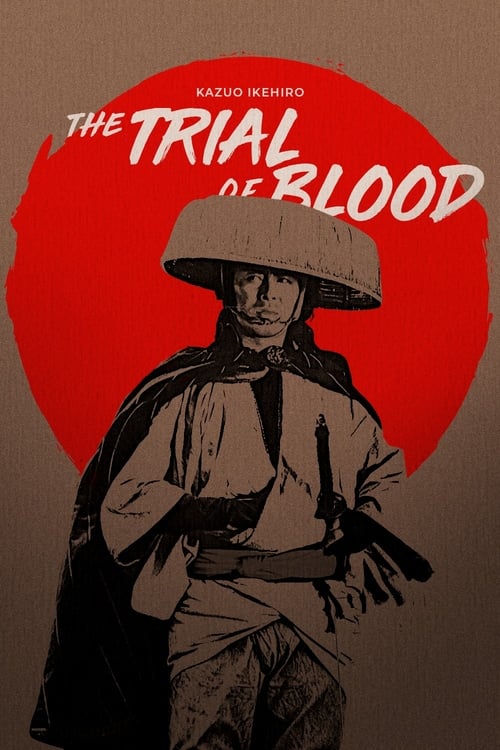
The Trail of Blood
1972
No user ratings available yet
Representation score: 3.3 out of 10

Representation Score
Limited
1963
Not RatedDirector
Tokuzō Tanaka
Runtime
82 minutes
Average Rating
No ratings yetNew Showbiz Analysis
This traditional period action film emphasizes genre clichés over contemporary diverse representation. It focuses on a heterosexual romance and a homogeneous Japanese cast, reflecting the constraints of 1960s chanbara cinema. While it lacks diversity in gender and sexual orientation, the film offers a subtle social critique. By focusing on a cynical ronin and systemic corruption, it challenges the idealized samurai archetype. Ultimately, the work serves as a character study of an outsider, though it remains limited by its era's focus on domestic political intrigue and traditional gender roles.
Category Breakdown
The film follows a traditional heterosexual relationship between Nemuri Kyoshiro and Chisa. There is no depiction of non-binary gender identities or same-sex relationships.
Chisa embodies traditional feminine roles, serving as a catalyst for the protagonist's emotional development. However, Nemuri's cynical nature contrasts with the typical noble samurai masculinity.
The cast is predominantly Japanese, focusing on the social hierarchy within Japan. Although the title mentions Chinese jade, the narrative centers on internal clan politics.
The story critiques established power structures by highlighting corruption and greed. It replaces the idealized samurai virtue with a more individualistic, anti-institutional ethos.
There is no evidence of characters with physical or neurodivergent disabilities.
Present on Screen
Limited or Absent
Official Synopsis
Nemuri Kyoshiro, a youthful and cynical ronin with unparalleled skill, is approached by both sides in a game of corruption, ambition, and double crosses. The leader of the Kaga clan, who thinks he has killed his smuggling partner, fears that the shogunate will discover his illegal activities. He learns of evidence that will prove his guilt. Meanwhile, his partner is not dead, and, assisted by a master of Shorenji boxing, is looking for revenge and for his loot. The Kaga leader sends the beautiful Chisa to enlist Nemuri's aid. The unexpected happens: the hard-bitten Nemuri falls in love. Can he protect her, topple the criminals, and avoid the boxer's deadly skill?
1972
1967
1963
1962
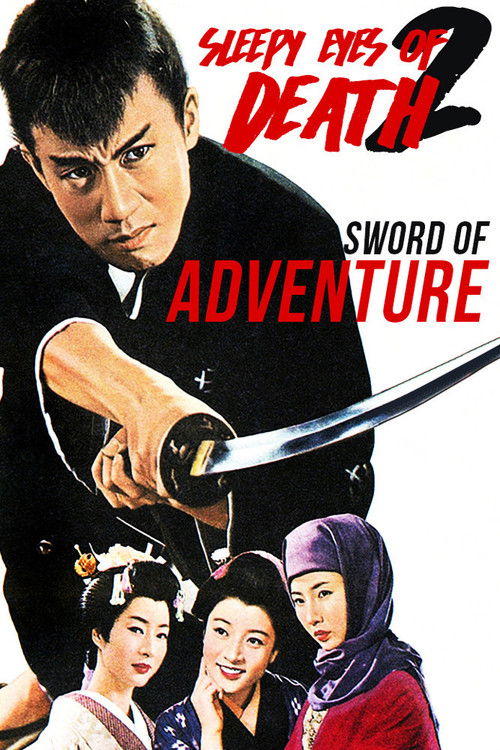
1964
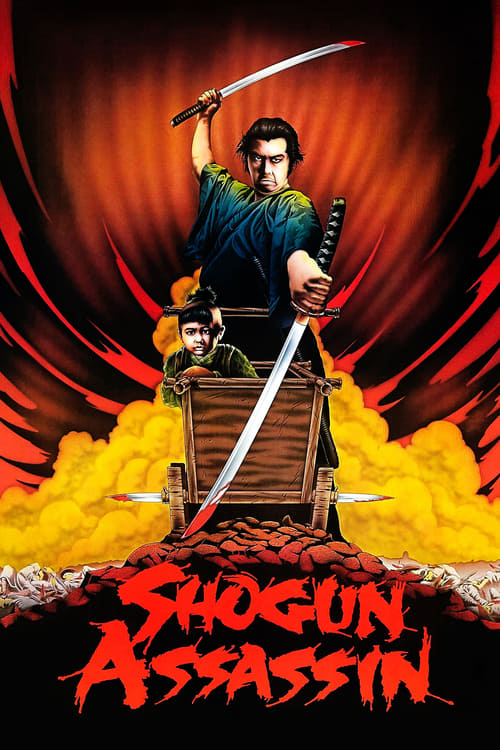
1980
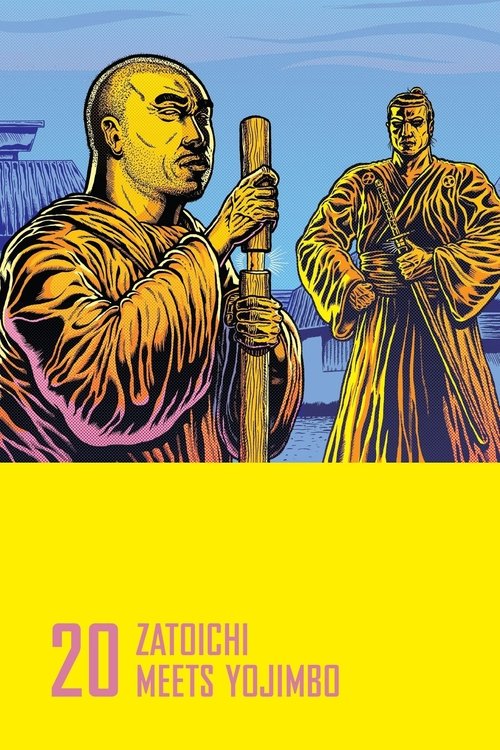
1970
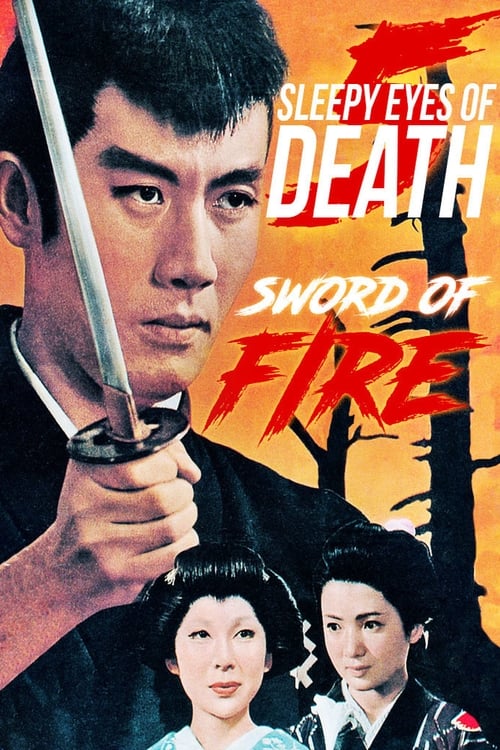
1965
No reviews yet. Be the first to share your thoughts on this movie!
Use the rating form above to leave a star rating and optional review.