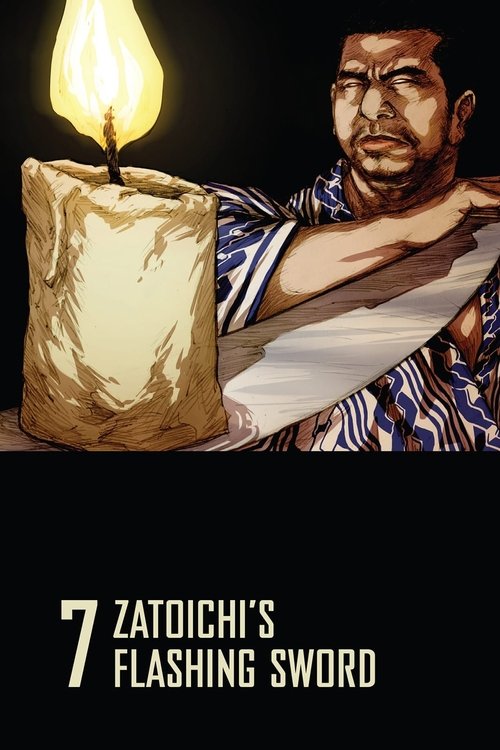
Zatoichi's Flashing Sword
1964
No user ratings available yet
Representation score: 4.3 out of 10
Representation Score
Limited
1972
Director
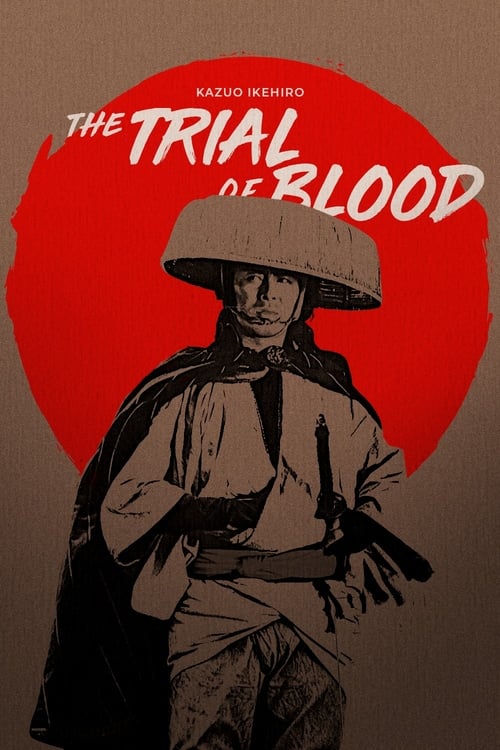
Kazuo Ikehiro
Runtime
87 minutes
Average Rating
No ratings yetNew Showbiz Analysis
The film follows the conventional narrative structures of 1970s action cinema. It emphasizes individual struggles for redemption and honor within a traditional social framework. While the character archetypes are clearly defined, the film does not intentionally challenge established gender, racial, or systemic hierarchies. The storytelling relies heavily on genre clichés. Ultimately, the work presents a culturally specific experience that adheres to the period's standard social and gendered expectations.
Category Breakdown
The film features a traditional masculine protagonist and a family unit that assumes everyone is straight and cisgender. There are no representations of LGBTQ+ identities or critiques of the assumption that everyone is straight or cisgender.
Female characters mainly act as catalysts for the male protagonist's journey. A prostitute serves as a deceptive agent, reinforcing traditional hierarchies centered on male combat skills.
The cast is ethnically homogeneous, reflecting a culturally specific Japanese production without diverse representation.
The story explores themes of sin and redemption using traditional clichés of honor and revenge. It focuses on individual moral struggles rather than systemic critiques of institutions.
A one-eyed swordsman appears, but his physical trait likely serves as an aesthetic marker of ruggedness. There is no deeper exploration of physical disabilities.
Present on Screen
Limited or Absent
Official Synopsis
Can a sinful man change and find peace? It's unlikely in gang-plagued Japan. Jokichi of Mikogami, a drifter (and hired sword), goes straight after protecting a woman in distress: they marry, have a son, and Jokichi pursues his father's craft. After three years, the gangs he embarrassed when he saved his wife find the family and leave Jokichi in grief, vowing revenge. To parry his terrible swift sword, rival gangs join forces, hiring a prostitute to pose as a woman needing help and breaking the code of honor to double cross the drifter. He finds unlikely allies: a thief who aids him for fun and a one-eyed swordsman who may be Jokichi's equal in skill and honor.
1964

1972

1963
1967
1968
1980

1960
1965
No reviews yet. Be the first to share your thoughts on this movie!
Use the rating form above to leave a star rating and optional review.