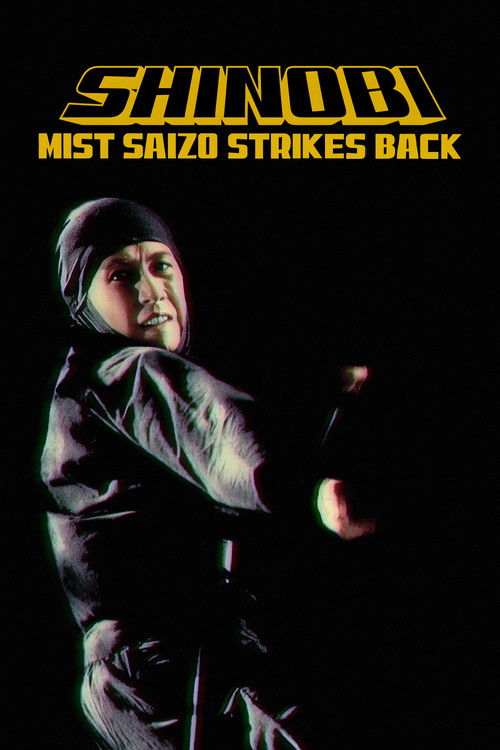
Shinobi no mono 7: Mist Saizo Strikes Back
1966
No user ratings available yet
Representation score: 3.9 out of 10
Representation Score
Limited
1965
Director
Kazuo Mori
Runtime
89 minutes
Average Rating
No ratings yetNew Showbiz Analysis
This installment of the Shinobi no Mono franchise functions as a traditional period epic, relying heavily on the 'secret lineage' cliché to create tension. The plot emphasizes ancestral honor and the preservation of bloodlines, keeping the narrative within the established social hierarchies of the Edo period. While the film offers some complexity through Yuri’s political significance, it does not challenge the era's gendered or social structures. The action remains centered on male protagonists and antagonists, maintaining a conventional historical drama framework. Ultimately, the film is a study of loyalty and state authority rather than a vehicle for modern identity exploration, reflecting the constraints of the chanbara genre.
Category Breakdown
The story focuses on traditional family ties and the preservation of bloodlines. There are no queer themes or disruptions of typical gendered romantic relationships.
Yuri plays a significant role in the political landscape, offering a layer of female influence. However, male characters continue to dominate in combat and strategic planning.
The film portrays a culturally uniform 17th-century Japan. The focus on the Shinobi class, a underrepresented group, serves as a metaphor for those on the fringes of power.
The narrative revolves around the concepts of feudal honor and clan loyalty. It examines the balance between individual freedom and the authority of the Shogunate.
There are no visible or invisible disabilities that play a central role in the character arcs or the plot progression.
Present on Screen
Limited or Absent
Official Synopsis
[Period covered: 1637-1651] This is one of the most complicated plots of any of the Shinobi no Mono films! This film tells the story of Saizo’s son, Kirigakure Saisuke, who after seeing his father die at the Battle Of Shimabara, grows up to be an expert ninja. Before he dies, “Mist” Saizo tells his children Saisuke, and Yuri that they are not really brother and sister. She, in fact, is the daughter of the late lord Sanada Yukimura, and must be saved from the shogun’s forces. In the chess match of spy versus spy, can Saisuke defeat the shogun’s chief strategist, Matsudaira Izunokami at his own game? Showing many exciting ninja tactics, it is not to be missed.
1966
1972
1963
1962
1969
1980
1964
1963
No reviews yet. Be the first to share your thoughts on this movie!
Use the rating form above to leave a star rating and optional review.