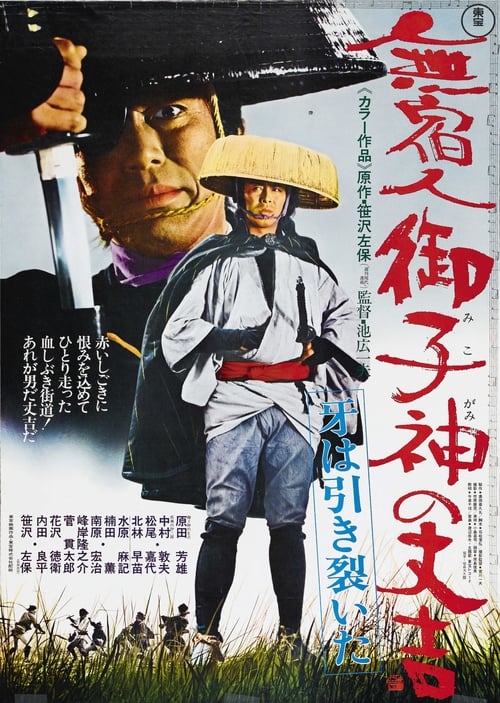
The Trail of Blood
1972
No user ratings available yet
Diversity score: 3.8 out of 10

1965
Director
Tai Katō
Runtime
91 minutes
Average Rating
No ratings yetSynopsis
Osaka, 1907: Asajiro lives between a rock and a hard place: he has to keep his business clean and running, tame his late oyabun’s hot-blooded son and suffer the throes of his impossible love for beautiful geisha Hatsue.
Overall Score
Limited
Category Breakdown
LGBTQ+ Representation
The narrative remains strictly within heteronormative and cisnormative boundaries. Romantic tension is centered on the protagonist's relationship with the geisha Hatsue, following traditional courtship tropes.
Gender Representation
Agency is concentrated almost exclusively within a masculine sphere of combatants. Female characters like Hatsue provide emotional stakes but largely function as passive figures within patriarchal structures.
Racial & Ethnic Diversity
The cast is ethnically homogeneous, aligning with the 1907 Osaka setting. It functions as a culturally specific study of Japanese social strata rather than a multi-ethnic narrative.
Religious & Cultural Diversity
The film prioritizes traditional concepts of honor, duty, and lineage. It operates within the established social order, emphasizing the weight of tradition and social codes.
Disability Representation
There is no discernible focus on neurodivergence, physical disabilities, or chronic illness. Characters are defined primarily by their physical capability and martial skill.
Strengths
Areas for Improvement
AI Analysis
Tai Katō’s film is a masterclass in the chanbara genre, yet it operates within rigid social frameworks. The narrative architecture reinforces conventional historical power dynamics and masculine archetypes rather than disrupting them. The story focuses on the sanctity of the bushido code and the preservation of lineage. This reliance on established hierarchies results in a work that reflects the conservative social archetypes of its era.
1972
1998
1962
1966
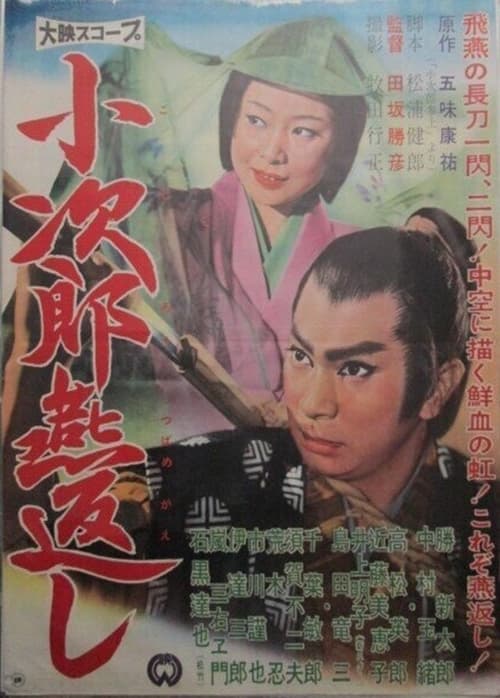
1961
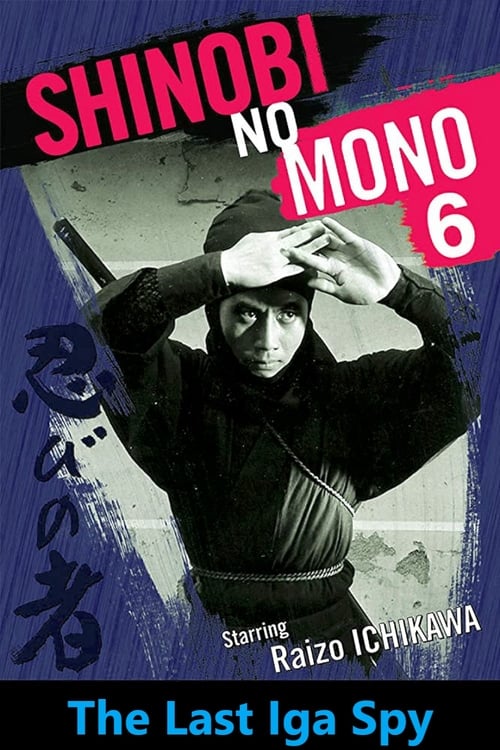
1965
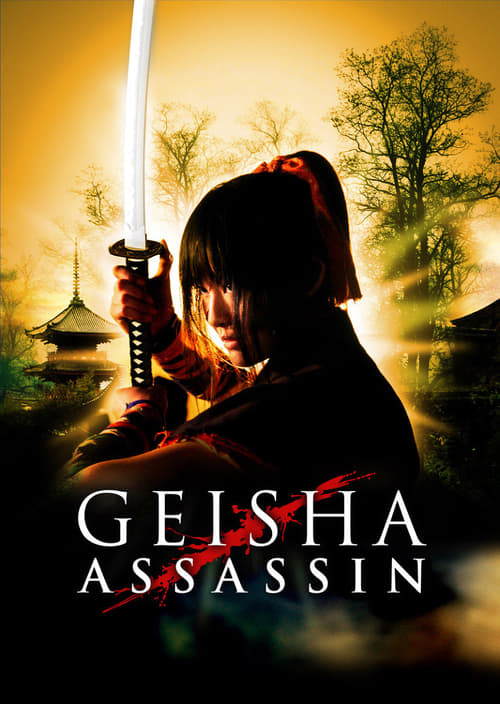
2008
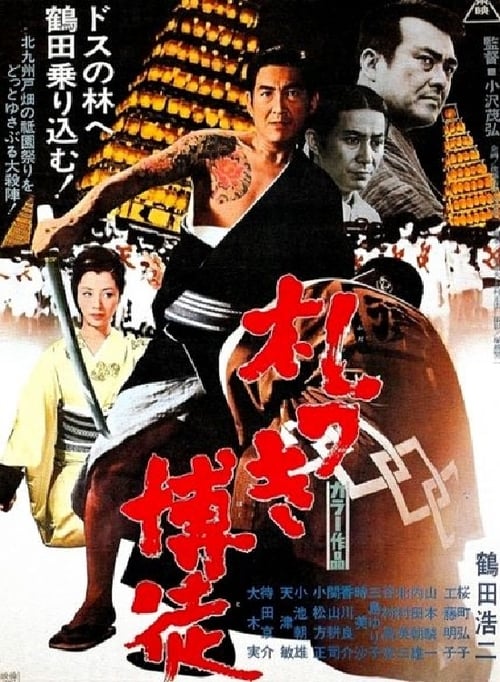
1970

1963
1969
1970
1969
No reviews yet. Be the first to share your thoughts on this movie!
Use the rating form above to leave a star rating and optional review.