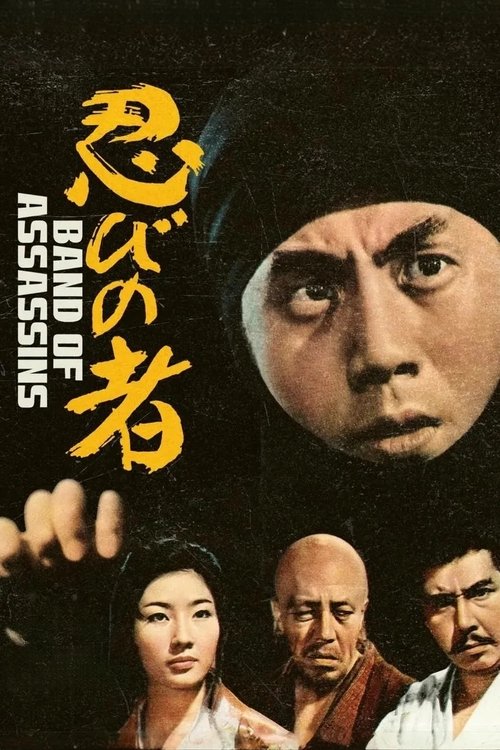
Ninja, A Band of Assassins
1962
No user ratings available yet
Diversity score: 2.7 out of 10

1963
Not RatedDirector
Satsuo Yamamoto
Runtime
93 minutes
Average Rating
No ratings yetSynopsis
[Period covered: 1582-1594]. As the film opens, the warlod Nobunaga Oda rides to Iga Ayanokuni shrine. He is asked if he thinks he has destroyed all the ninja who opposed him and answers that he suspects that there may be more. A servant brings water and tests it first. The paige dies and we hear gunshots as two ninja flee the scene. His suspicions confirmed, Nobunaga oversees the execution of captured ninja and decides that, in the future, he needs a much crueler method of execution. The daimyo Hideyoshi comes to visit.
Overall Score
Fair
Category Breakdown
LGBTQ+ Representation
The film focuses on the political and martial conflicts of the Sengoku period. There is no explicit evidence of non-heteronormative identities or same-sex intimacy within the narrative.
Gender Representation
The story centers on a male-dominated hierarchy led by warlords Nobunaga Oda and Hideyoshi. While the film may critique masculine authority, no specific female agency is confirmed.
Racial & Ethnic Diversity
The cast is ethnically homogeneous due to the 16th-century Japanese setting. However, the shinobi are depicted as a marginalized sub-group operating outside the sanctioned social order.
Religious & Cultural Diversity
The film critiques centralized power by framing conflict through systemic survival. It prioritizes the perspective of those resisting state-sanctioned violence and oppressive institutional structures.
Disability Representation
There is no documented evidence regarding the portrayal of physical or neurodivergent disabilities in this work.
Strengths
Areas for Improvement
AI Analysis
Shinobi no Mono 2: Vengeance is a historical epic that prioritizes the tension between individual agency and feudal authority. It succeeds in portraying the shinobi as a marginalized class resisting a dominant political hierarchy, providing a nuanced look at systemic exclusion. However, the film operates within a traditional historical framework that lacks modern intersectional markers. The narrative is heavily centered on male warlords, leaving little room for diverse gender or LGBTQ+ representation. Ultimately, the film's strength lies in its social critique of absolute power rather than its demographic breadth. It offers a compelling look at the human cost of power shifts while remaining ethnically and socially narrow.
1962
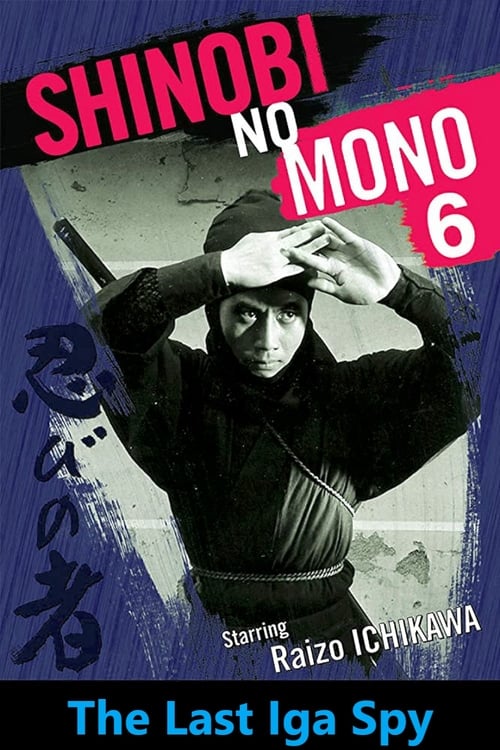
1965
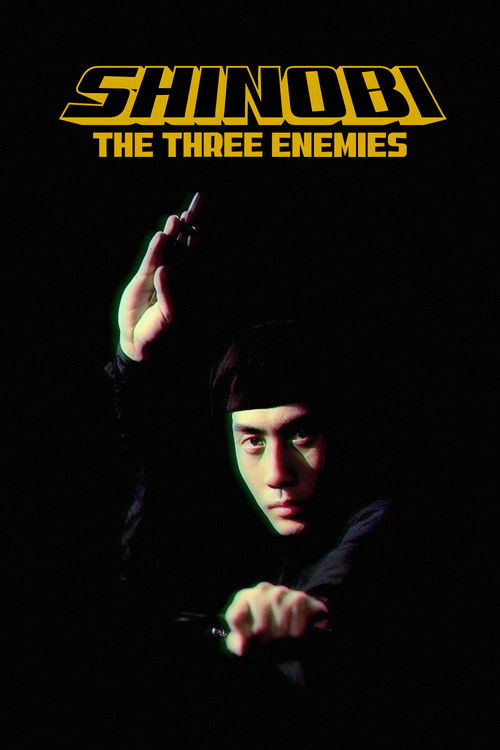
1966
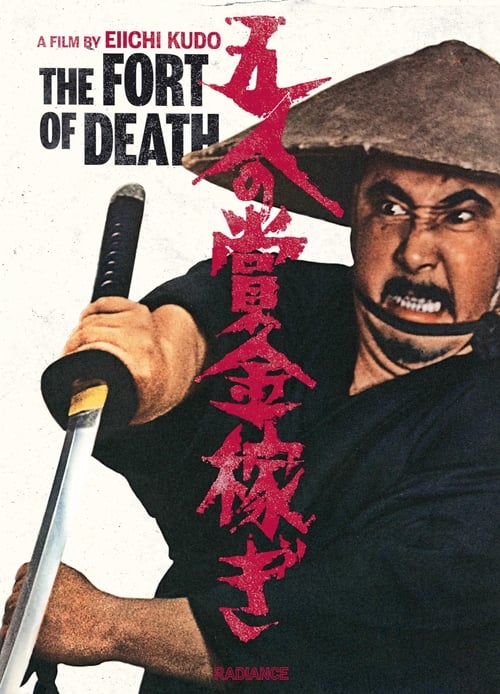
1969
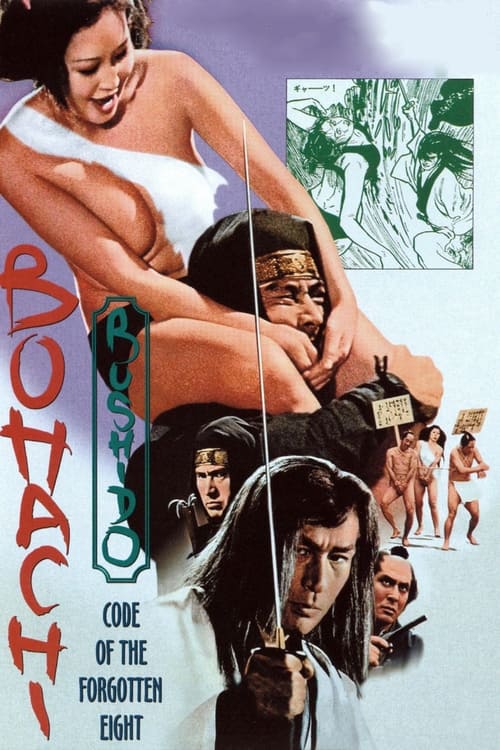
1973
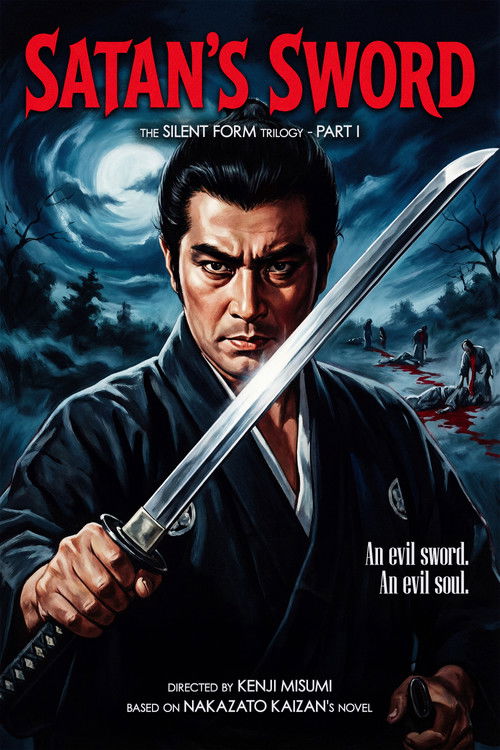
1960
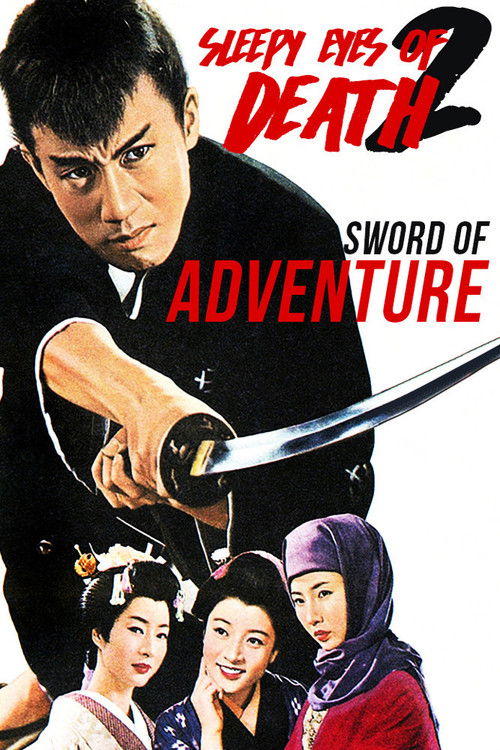
1964

1963
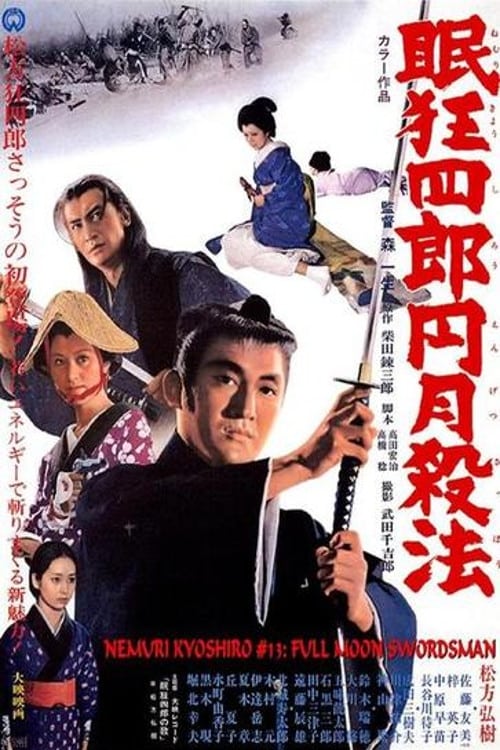
1969
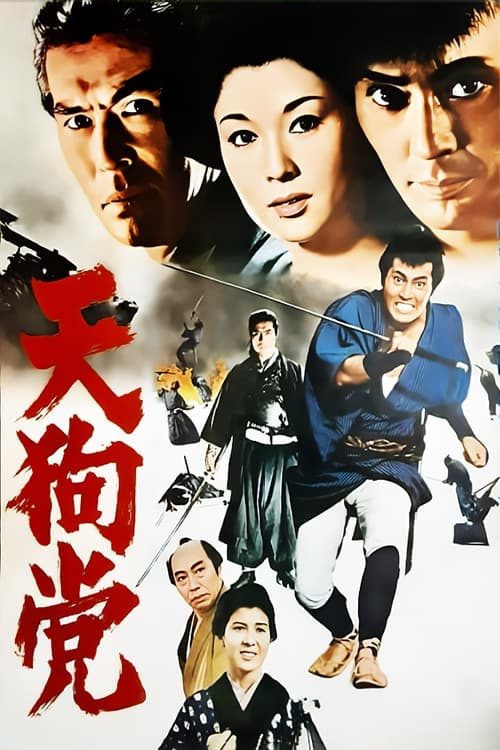
1969
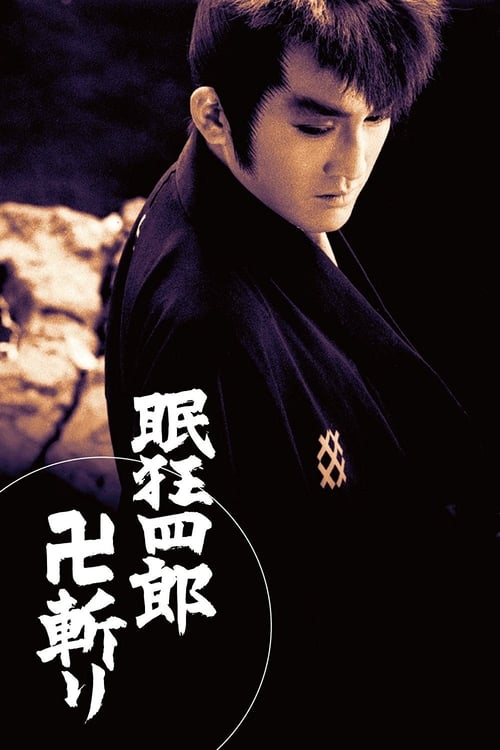
1969
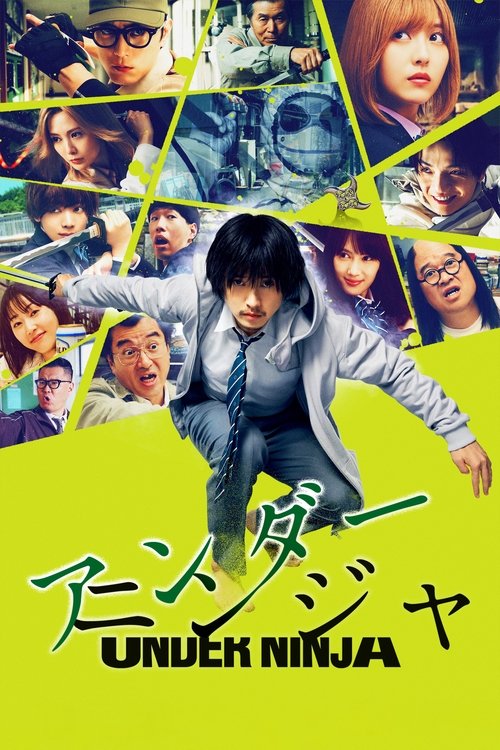
2025
No reviews yet. Be the first to share your thoughts on this movie!
Use the rating form above to leave a star rating and optional review.