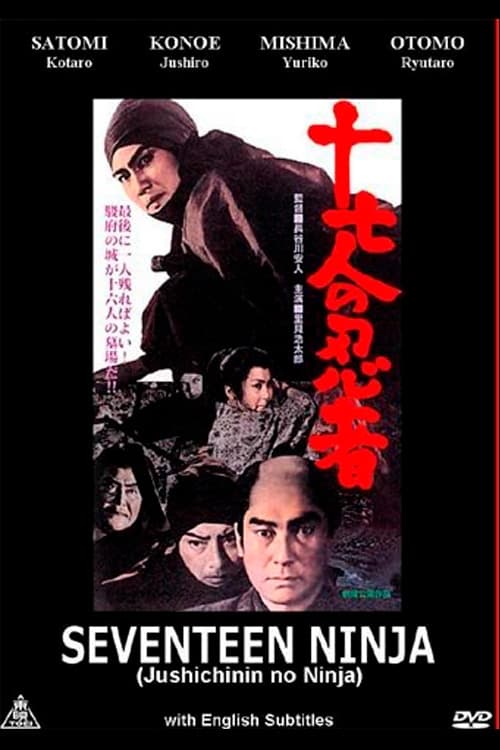
Seventeen Ninja
1963
No user ratings available yet
Representation score: 1.4 out of 10
Representation Score
Minimal
1962
Not RatedDirector
Satsuo Yamamoto
Runtime
104 minutes
Average Rating
No ratings yetNew Showbiz Analysis
This film is a quintessential period drama that prioritizes historical authenticity and the reinforcement of established social hierarchies. The narrative focuses on the professional application of violence and the fulfillment of duty within a rigid class structure. Because the story is built upon conservative storytelling traditions, it lacks modern subversions of identity. The characters are defined by their roles within a systemic social order rather than through the lens of multiple identities. Ultimately, the work serves as a genre-accurate exploration of feudal Japan, emphasizing traditional familial and professional hierarchies over the exploration of diverse identities.
Category Breakdown
The film follows the conventions of 1960s Japanese action cinema. There are no representations of non-straight identities or same-sex relationships, focusing instead on traditional hierarchies.
Female characters appear as relatives of high-ranking officials but have limited independence. They mainly serve as catalysts for male-driven plots, reinforcing conventional gender roles in the Edo period setting.
The cast is predominantly Japanese, offering historical authenticity to the setting. While it avoids whitewashing, the film does not aim to diversify ethnic representation.
The story is rooted in feudal Japanese social structures, emphasizing duty, class hierarchy, and strict codes of conduct. It prioritizes historical accuracy over modern critiques or moral relativism.
There are no prominent depictions of visible or invisible disabilities. Characters are defined by their physical abilities and martial skills rather than neurodivergence or impairment.
Present on Screen
Limited or Absent
Official Synopsis
Warlord Oda Nobunaga seeks to unite a fractured Japan. A young man trained in the arts of ninjitsu is manipulated by a ninja master into attempting to assassinate the warlord before he completes his task.
1963

1972
1963
1962
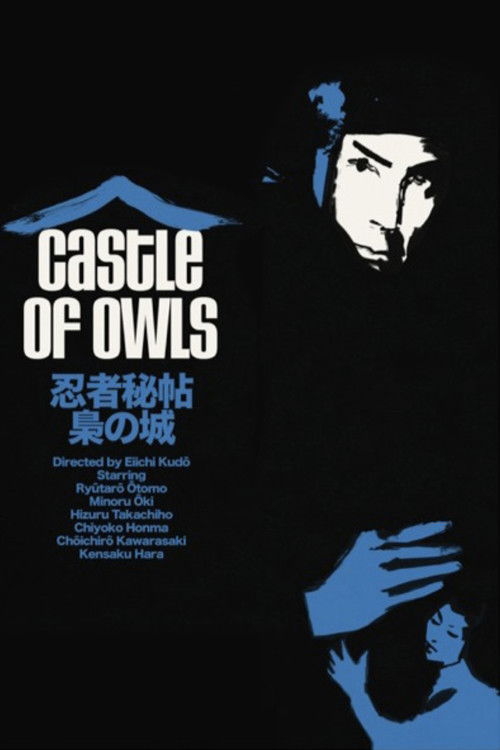
1963
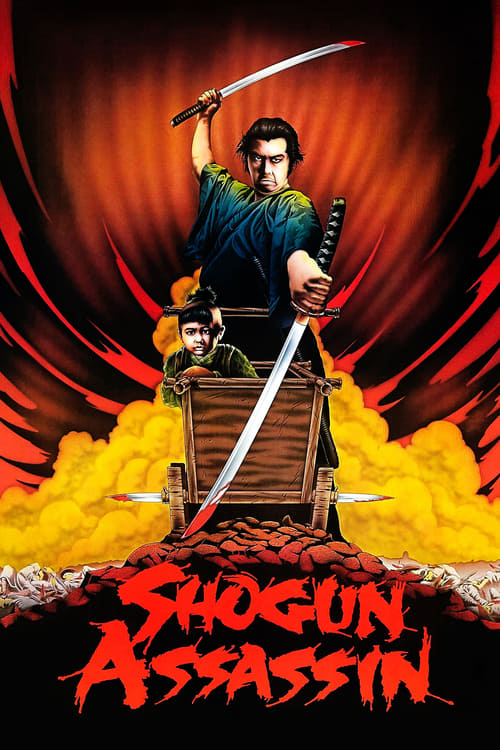
1980
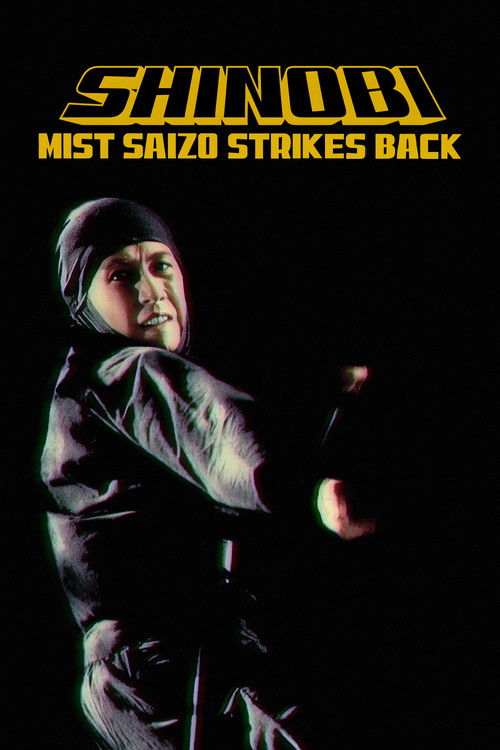
1966
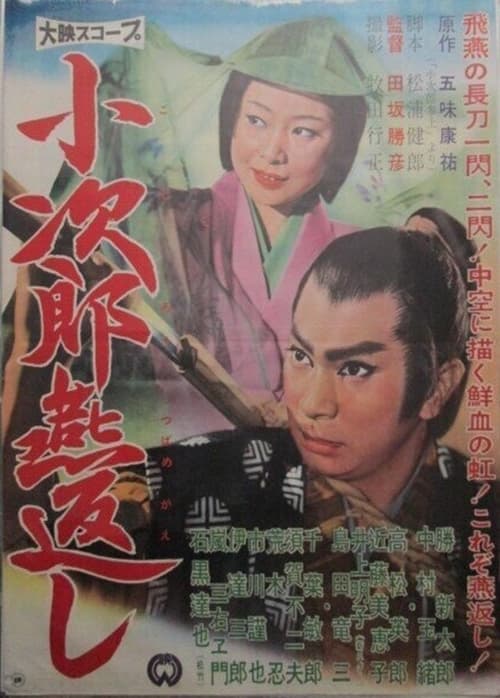
1961
No reviews yet. Be the first to share your thoughts on this movie!
Use the rating form above to leave a star rating and optional review.