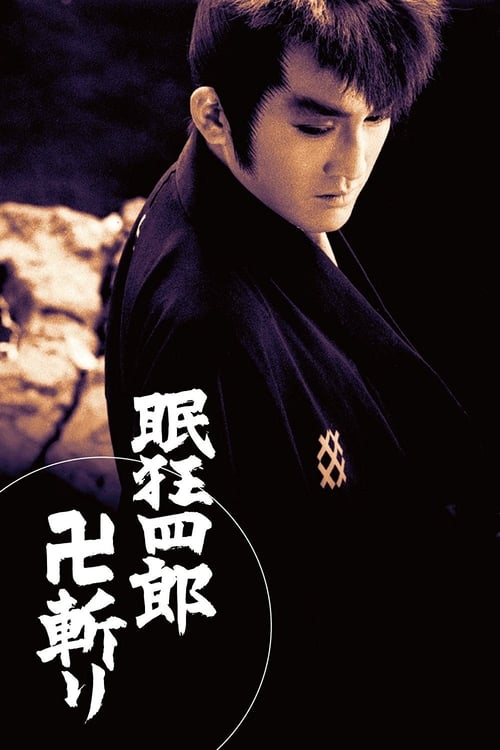
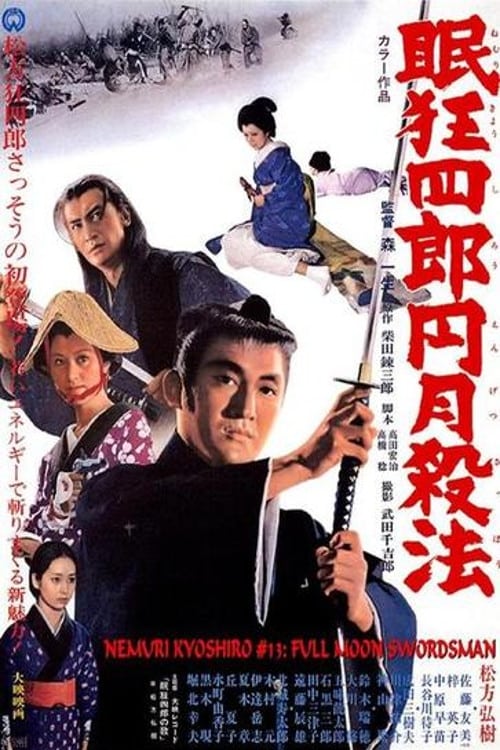
Sleepy Eyes of Death 14: Fylfot Swordplay
1969
No user ratings available yet
Representation score: 3.2 out of 10
Representation Score
Limited
1969
Director
Kazuo Mori
Runtime
82 minutes
Average Rating
No ratings yetNew Showbiz Analysis
Sleepy Eyes of Death 13 explores political intrigue and martial arts within the confines of 1960s genre conventions. It focuses on undermining political stability and the 'noble warrior' archetype rather than demographic inclusivity. The film operates within the traditional boundaries of 1960s chanbara cinema, emphasizing a male-dominated conspiracy. While it lacks representation of multiple aspects of diversity, it offers complexity through its morally ambiguous protagonist and themes of identity substitution. Overall, the work serves as a critique of social disruption rather than a platform for modern progressive casting or diverse representation.
Category Breakdown
The film does not include any explicit LGBTQ+ characters or non-cisgender identities. It follows typical 1960s genre conventions focused on political conspiracy.
Male characters such as Kanjuro Sano and the twin brothers play significant roles in the story. Female characters are often catalysts, but the narrative adheres to traditional gender hierarchies.
The cast is ethnically uniform, reflecting the historical context of the Tokugawa era. There is no indication of race-bent casting or diverse demographic representation.
The plot challenges traditional authority through a narrative of identity substitution. The protagonist disrupts established social and political orders.
There is no documented evidence of the portrayal of physical or neurodivergent disabilities within the film's narrative.
Present on Screen
Limited or Absent
Official Synopsis
Inspector General Kanjuro Sano conspires with the future shogun twin brother. They replace Ieyoshi Tokugawa with his twin, but it becomes a problem when suspicion arises and Nemuri Kyoshiro gets involved.
1969
1962
1965
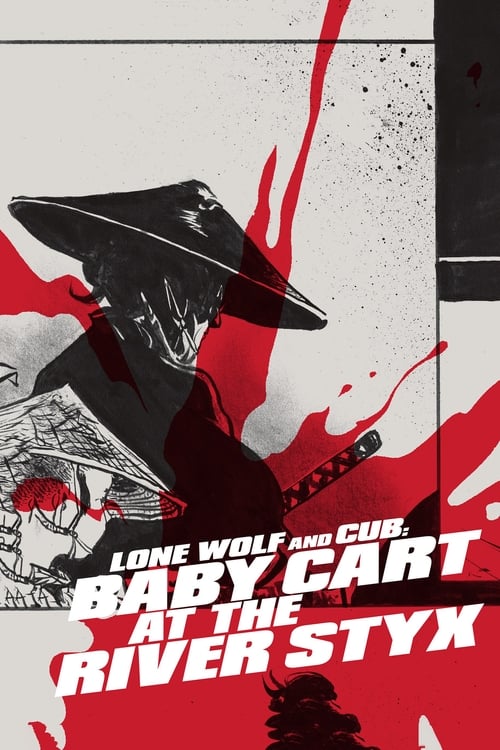
1972
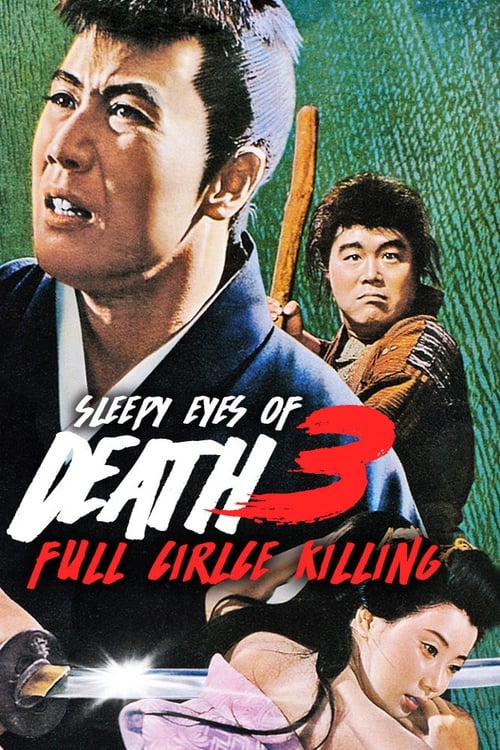
1964
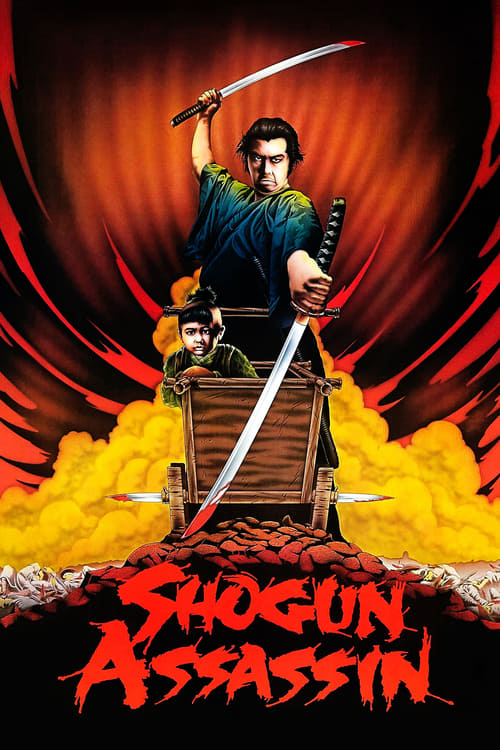
1980
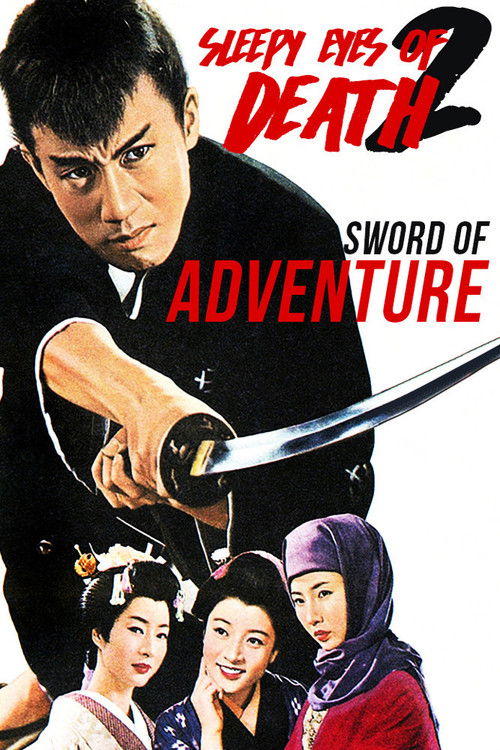
1964
1968
No reviews yet. Be the first to share your thoughts on this movie!
Use the rating form above to leave a star rating and optional review.