The Inspector-General
1933
No user ratings available yet
Diversity score: 2.9 out of 10
1939
Director
Martin Frič
Runtime
87 minutes
Average Rating
No ratings yetSynopsis
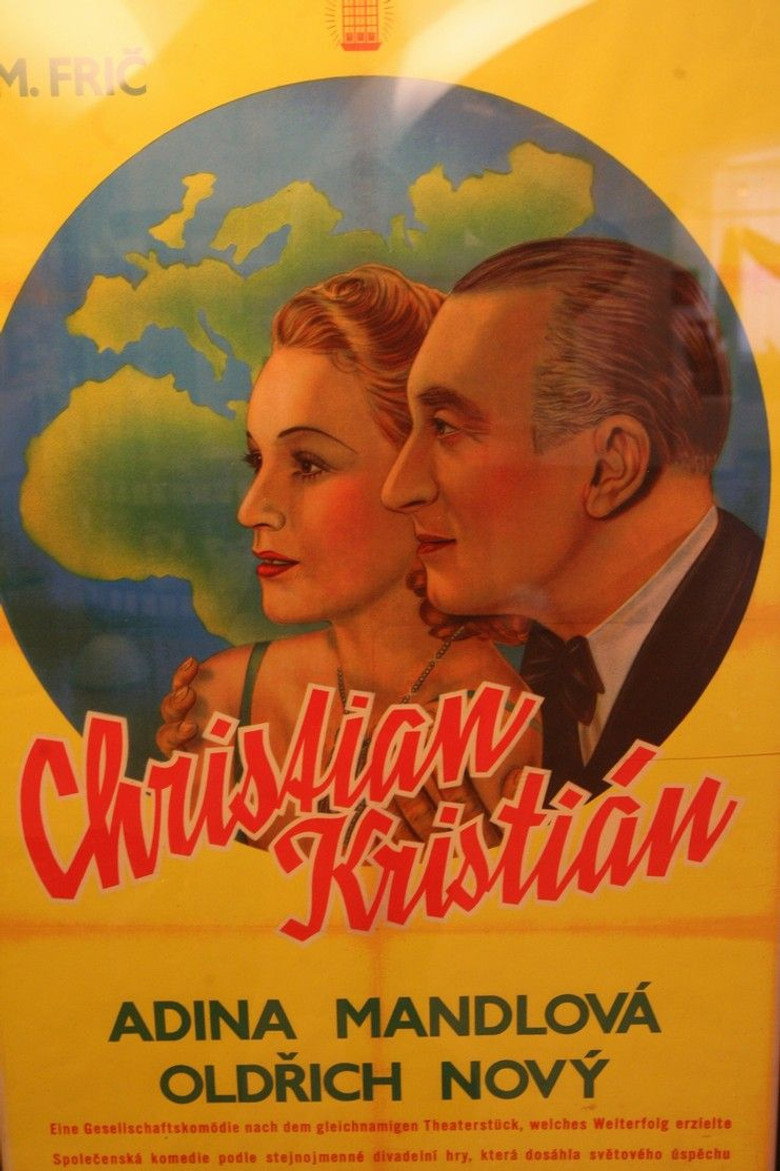
Alois Novák (Oldrich Nový), a minor clerk in a travel agency and the husband of a dowdy housewife Marenka (Natasa Gollová), lives a run-of-the-mill, dull life. In his soul, however, there resides an inextinguishable desire for adventure. And so once a month he poses as a playboy. As the mysterious and wealthy Mr. Kristian he goes to the exclusive Orient Bar where he does not skimp on generous tips and where he platonic-ally seduces beautiful and elegant women. In the salon he speaks of love and the magnificence of exotic lands, which he has supposedly come to know on his wanderings abroad. In reality he has read all of this in the travel agency's brochures.
Overall Score
Minimal
Category Breakdown
LGBTQ+ Representation
The film adheres to the heteronormative social structures of the late 1930s. The protagonist's playboy persona focuses exclusively on the romantic pursuit of women.
Gender Representation
Gender roles follow traditional hierarchies. While the film explores dissatisfaction with domesticity, female characters like Marenka are depicted through a lens of traditional domesticity.
Racial & Ethnic Diversity
The narrative reflects a homogeneous social landscape. Mention of exotic lands serves as a romanticized trope rather than a meaningful engagement with diverse cultures.
Religious & Cultural Diversity
The story is rooted in pre-war Czechoslovakian middle-class etiquette. It reinforces bourgeois aspirations through the protagonist's fantasy of luxury and travel.
Disability Representation
There are no prominent depictions of physical or neurodivergent disabilities that drive the narrative or serve as significant character elements.
Strengths
Areas for Improvement
AI Analysis
Kristian is a period-specific screwball comedy that prioritizes established social norms and conventional romantic dynamics. It functions as a reflection of its era rather than a tool for social subversion. The film centers on male desirability and performative agency. The protagonist's escapism relies on romanticized tropes of foreign lands and bourgeois luxury, offering little depth regarding diverse cultural identities. Ultimately, the work maintains the prevailing hierarchies of 1939, providing minimal disruption to the traditional gender and social structures of the time.
1933
1964
1948
1943
1940
1955
1935
1918
1943
1931
1945
1957
No reviews yet. Be the first to share your thoughts on this movie!
Use the rating form above to leave a star rating and optional review.