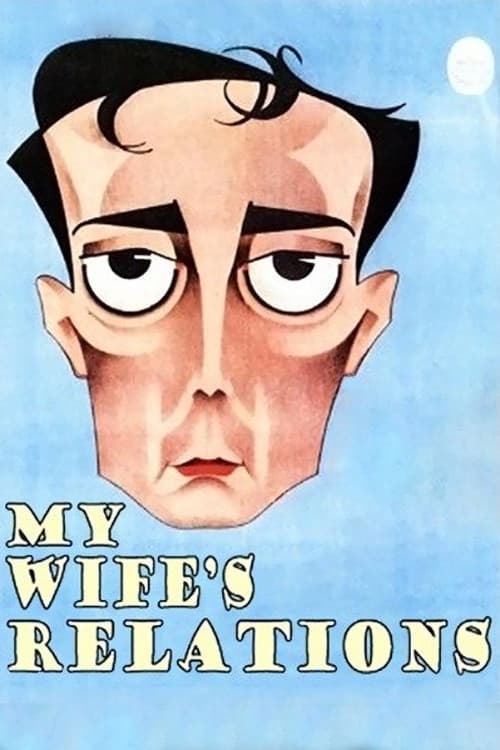
My Wife's Relations
1922
No user ratings available yet
Diversity score: 1.4 out of 10
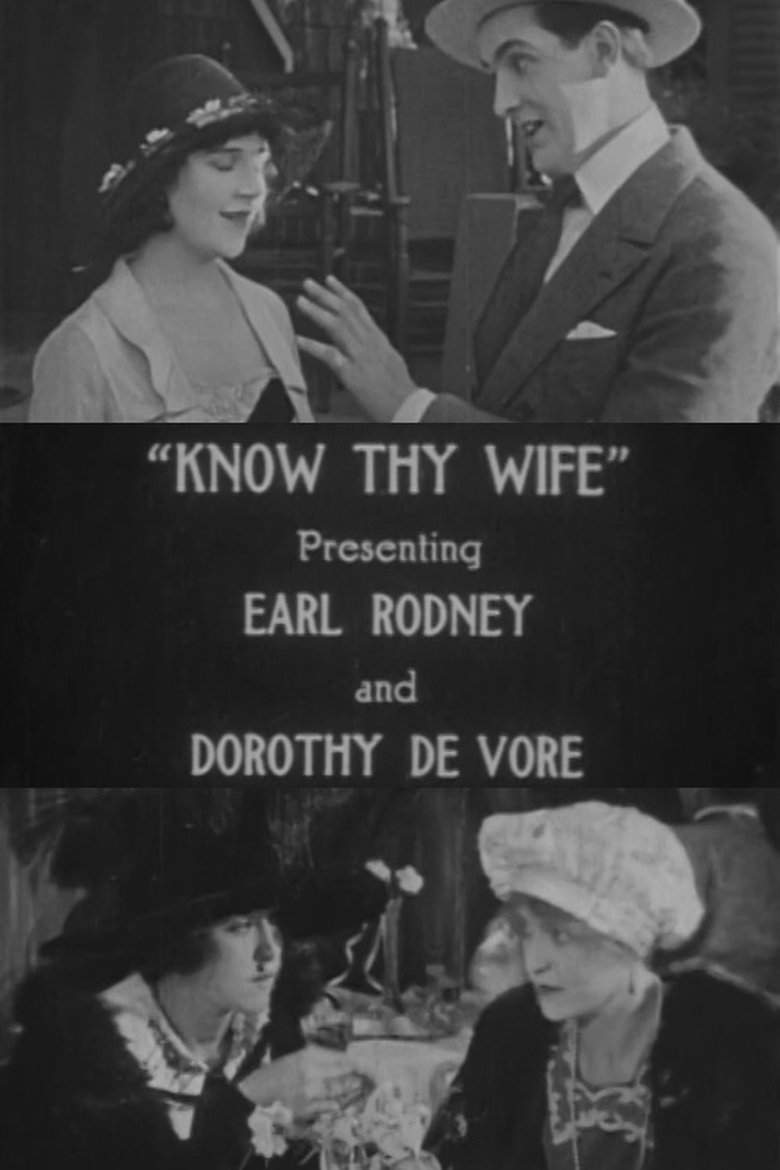
1918
Director
Al Christie
Runtime
13 minutes
Average Rating
No ratings yetSynopsis
Rather than telling his parents, who have another girl picked out for him, Bob brings home his new wife disguised as his friend "Steve."
Overall Score
Limited
Category Breakdown
LGBTQ+ Representation
The film uses gender disguise as a comedic plot device rather than exploring queer identity. A woman poses as a man named 'Steve' to navigate parental expectations, but the narrative lacks any critique of heteronormativity.
Gender Representation
While the female lead shows agency through her successful disguise, the story remains centered on a man managing his marriage. The structure reinforces traditional domestic roles and patriarchal family hierarchies.
Racial & Ethnic Diversity
The production reflects the homogeneous casting standards of early 20th-century American cinema. There is no indication of diverse ethnic representation or non-Anglo-Saxon casting within the narrative.
Religious & Cultural Diversity
The plot prioritizes traditional Western family values and marriage expectations. It focuses on resolving conflicts through situational comedy rather than addressing institutional or familial oppression.
Disability Representation
The film provides no evidence of characters with physical or neurodivergent disabilities. The narrative focus remains strictly on domestic deception and social etiquette.
Strengths
Areas for Improvement
AI Analysis
This 1918 comedy is a product of its era, functioning as a period-specific artifact that upholds conventional social hierarchies. The narrative relies on a classic trope of disguise to drive situational humor, but it does not use these elements to subvert social norms. The film lacks intersectional depth, focusing almost exclusively on the preservation of the nuclear family unit. While the use of gender-bending provides a comedic catalyst, it serves the plot's heteronormative goals rather than offering a meaningful exploration of identity. Ultimately, the work operates within the restrictive thematic and casting boundaries of early silent cinema, offering little representation beyond the dominant social structures of the time.
1922
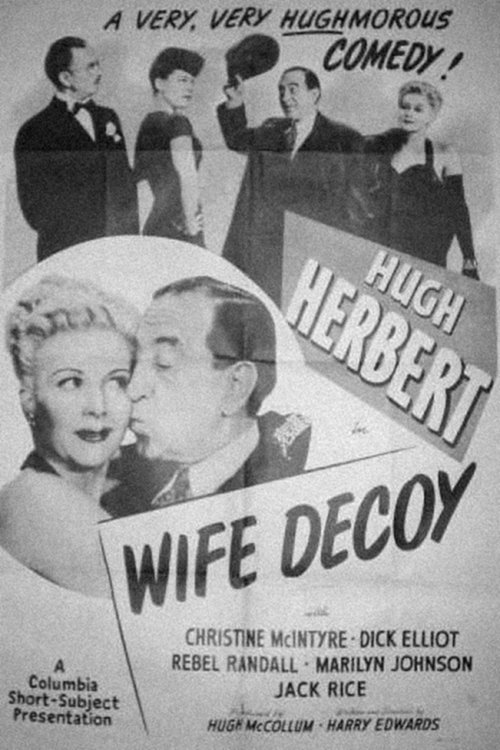
1945
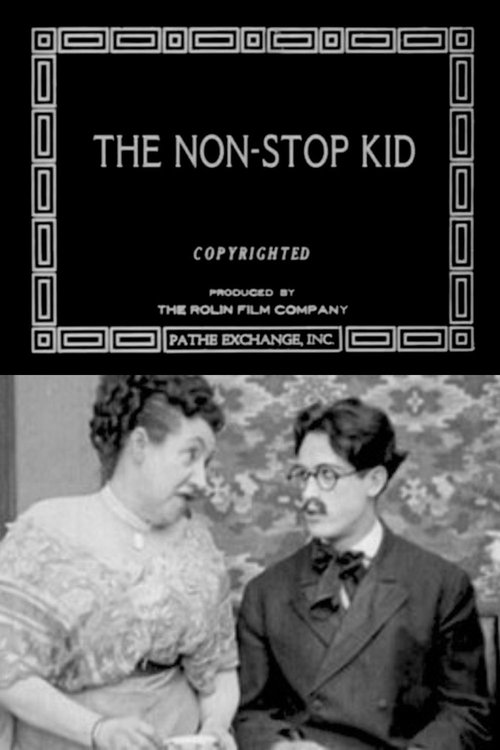
1918
1964
1942
1945
1940
1936
1930
1929
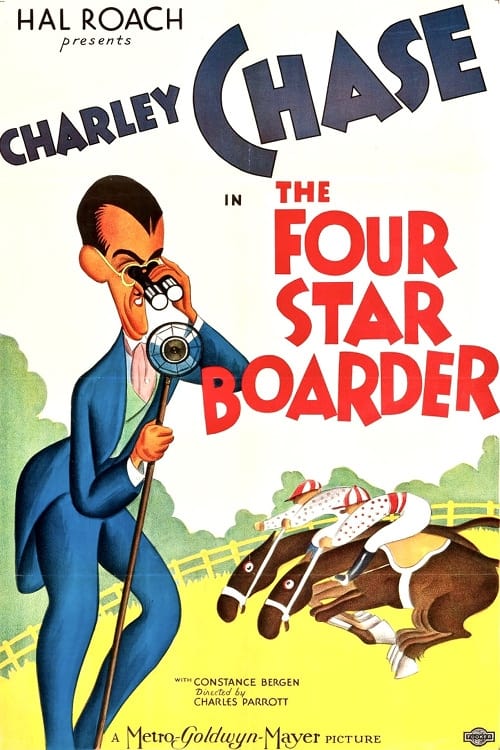
1935
1935
No reviews yet. Be the first to share your thoughts on this movie!
Use the rating form above to leave a star rating and optional review.