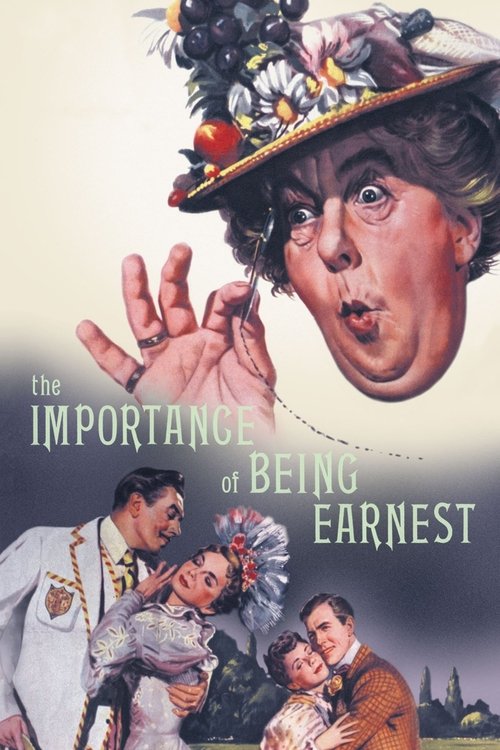
The Importance of Being Earnest
1952
No user ratings available yet
Representation score: 2.5 out of 10
Representation Score
Minimal
1948
NRDirector
Herbert Wilcox
Runtime
91 minutes
Average Rating
No ratings yetNew Showbiz Analysis
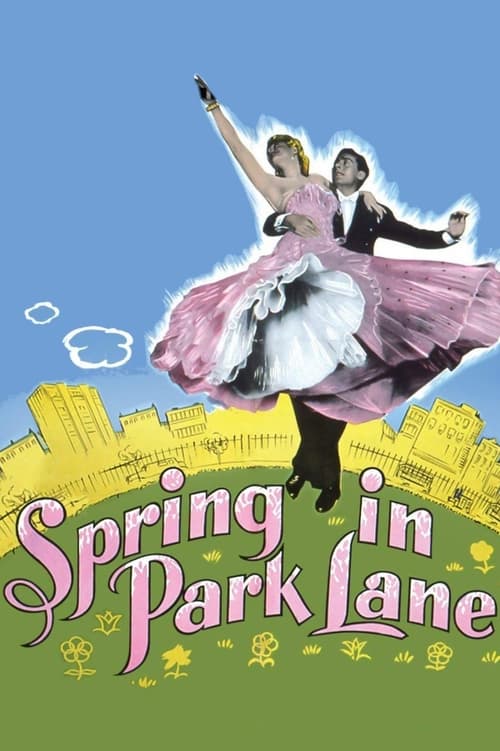
Spring in Park Lane is a classic mid-century British romantic comedy that upholds traditional social hierarchies and class distinctions. It emphasizes social etiquette and the cliché of the disguised aristocrat. The film operates within a conventional framework, lacking complexity or critique of societal issues. While it offers charm through its focus on high-society manners, it remains a homogeneous portrayal of 1948 British life, focusing on the Anglo-Saxon elite.
Category Breakdown
The film strictly follows traditional romantic structures centered around straight relationships. Non-cisgender identities are not represented.
Gender dynamics reflect typical 1948 social hierarchies. Judy demonstrates ability to act through her investigative spirit, but her main role revolves around romance.
The cast is mostly white and Anglo-Saxon, showing no characters from diverse racial or ethnic backgrounds.
The film highlights Western aristocratic culture without challenging it. It focuses on the upper class and fine art traditions.
No visible or hidden disabilities are shown. Characters are presented as fully capable members of high society.
Present on Screen
Limited or Absent
Official Synopsis
Life in the normally tranquil high society home of Joshua Howard is disrupted by the arrival of a mysterious footman in this sparkling British romantic comedy hit. Richard acts like anything but a servant. He has aristocratic airs and graces, an expert knowledge of fine art and can play classical music and boogie-woogie on a grand piano with equal aplomb. And is that an Old Etonian tie he's wearing? Judy, is determined to discover Richard's true identity and the reason he's posing as a lowly footman. Bored with the attentions of vain movie stars and eccentric minor nobility, she's captivated by his easy-going charm and ready to fall. But will his scandalous secret come between them and true happiness?
1952

1946
1957
1948
1949
1936
1938
1940
No reviews yet. Be the first to share your thoughts on this movie!
Use the rating form above to leave a star rating and optional review.