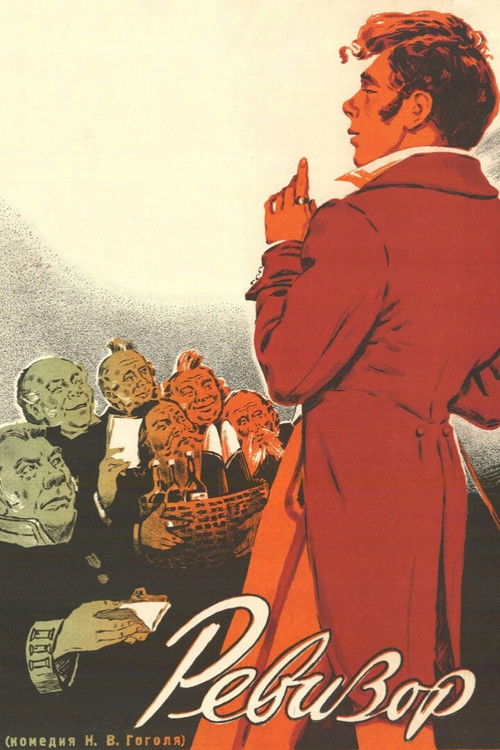
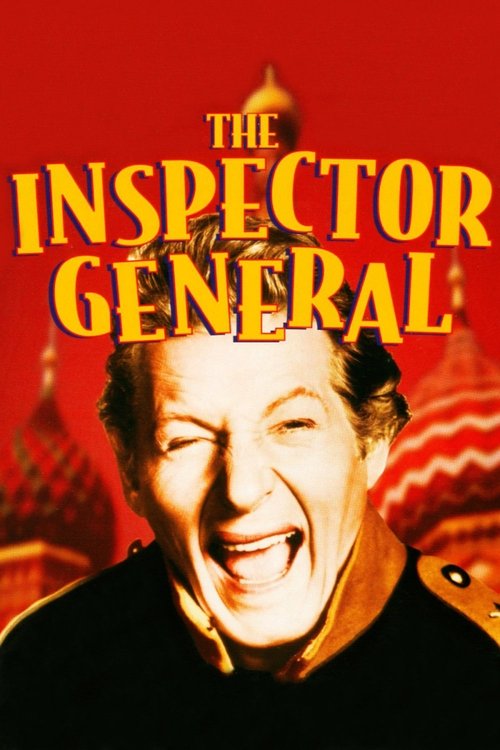
The Inspector General
1952
No user ratings available yet
Representation score: 1.7 out of 10
Representation Score
Minimal
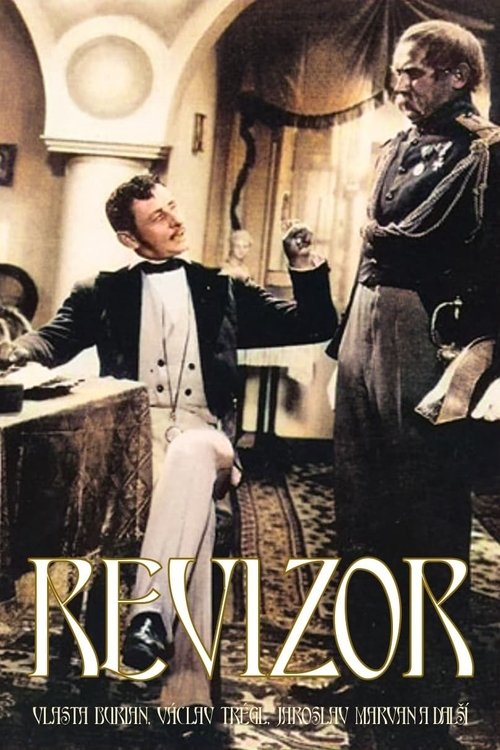
1933
ApprovedDirector
Martin Frič
Runtime
72 minutes
Average Rating
No ratings yetNew Showbiz Analysis
The film serves as a period-specific satire that prioritizes institutional critique over demographic variety. While it lacks modern representation of multiple identities, it excels in exposing the absurdity of authority through farce. Its narrative strength lies in revealing systemic dysfunction and the incompetence of political figures. However, the social landscape is narrow, adhering to the era's conventional hierarchies regarding gender and identity.
Category Breakdown
The film does not include any LGBTQ+ characters or those with non-straight identities. The social dynamics revolve around traditional masculine hierarchies and status.
Male characters dominate the plot through positions of authority and corruption. Female characters play supporting roles without much influence over their own lives.
The cast is mainly white and Slavic, reflecting the homogeneity of 1930s European cinema. It does not use diverse casting to challenge demographic norms.
The narrative sharply criticizes institutional integrity and systemic corruption. It mocks the absurdity of bureaucracy and the fragility of power structures.
There are no characters with visible or invisible disabilities in the film. The focus remains on comedic portrayals of bureaucrats and travelers.
Present on Screen
Limited or Absent
Official Synopsis
Vlasta Burian appears in a town of Czarist Russia impersonating an Inspector General, and he is entertained lavishly by the local political-hacks and peasants seeking his favor for whatever they are advocating or need fixed. Burain is involved in a series of comical situations as he takes everything he can gets his hands on while the peasants, who must plead for the betterment of their conditions, are left on the outside-looking-in. He makes his escape just as the real Inspector General is set to appear, but those-in-need will be no better off when the real McCoy shows up then they were with Burian.
1952
1932
1934
1971
1941
1935
1954
1949
No reviews yet. Be the first to share your thoughts on this movie!
Use the rating form above to leave a star rating and optional review.