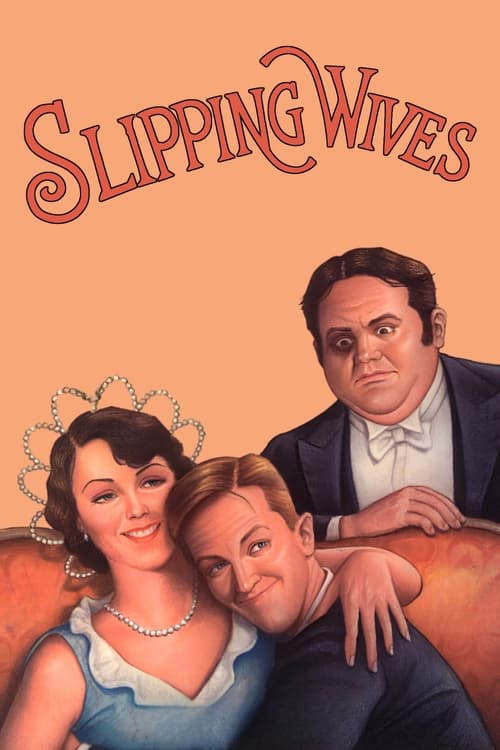
Slipping Wives
1927
No user ratings available yet
Diversity score: 2.8 out of 10
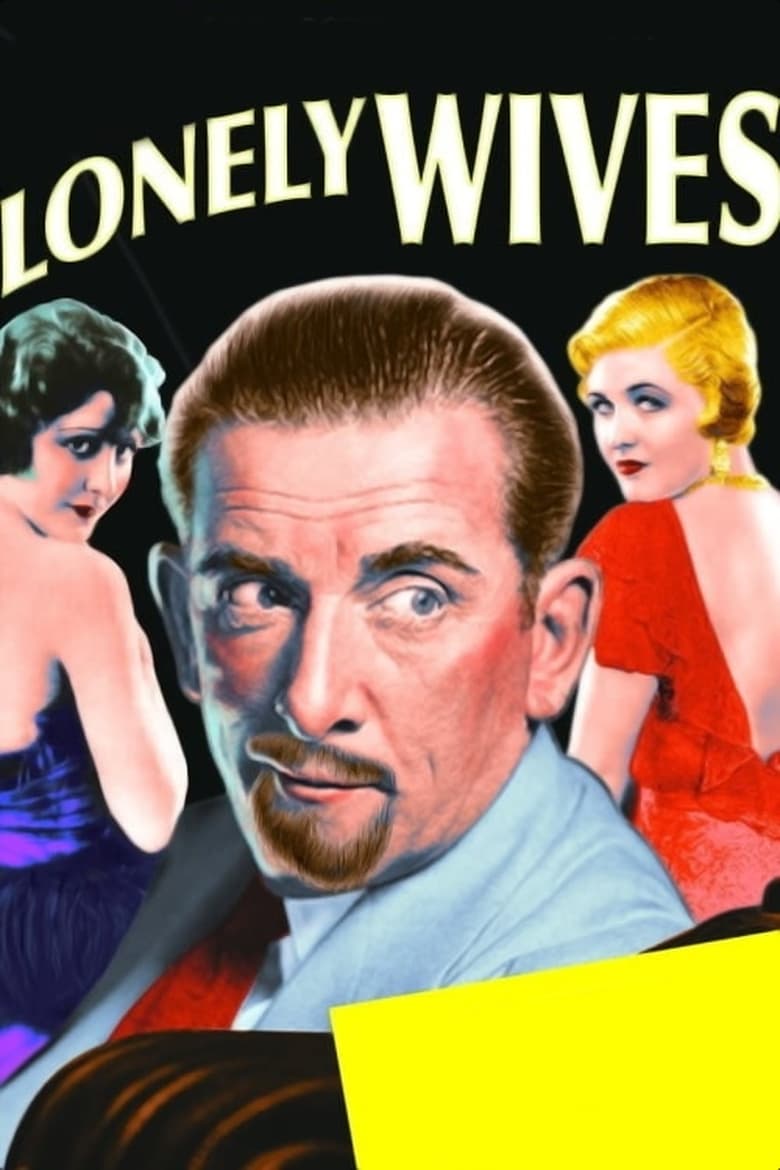
1931
NRDirector
Russell Mack
Runtime
85 minutes
Average Rating
No ratings yetSynopsis
A highly respectable lawyer becomes a sexual animal after working hours; His live-in mother-in-law tries to keep him in line. When an actor-impersonator comes to see him, the two switch lives.
Overall Score
Limited
Category Breakdown
LGBTQ+ Representation
The film lacks any evidence of LGBTQ+ characters or non-heteronormative identities. The story focuses on a lawyer's domestic life within a traditional framework.
Gender Representation
Female characters serve primarily as moral anchors or domestic obstacles to the male lead. The central conflict revolves around the male protagonist's agency and private impulses.
Racial & Ethnic Diversity
The production likely adheres to the homogeneous casting standards of 1931. There is no evidence of non-Anglo-Saxon representation in the narrative.
Religious & Cultural Diversity
The comedy stems from threats to established social standing and professional respectability. It reinforces conventional family dynamics and traditional social structures.
Disability Representation
There is no information available regarding the depiction of physical or neurodivergent disabilities in this film.
Strengths
Areas for Improvement
AI Analysis
Lonely Wives is a product of the early sound era that operates strictly within the established social hierarchies of the 1930s. The narrative relies on conventional comedic tropes rather than any attempt at intersectional storytelling or systemic disruption. The film's structure prioritizes the male protagonist's journey, using female characters as tools for domestic control or moral regulation. This creates a narrow perspective that lacks diverse agency or complex identity representation. Ultimately, the work reflects the era's standard professional and domestic norms. It functions as a traditional comedy that reinforces, rather than challenges, the cultural status quo of its time.
1927
1936
1945
1931
1936
1927

1927
1969
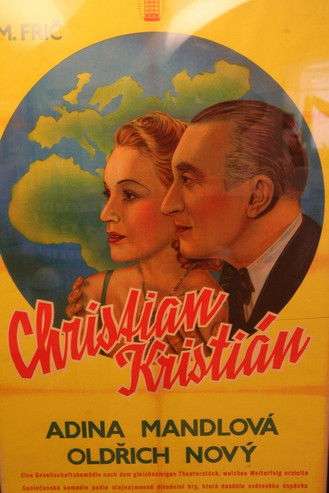
1939
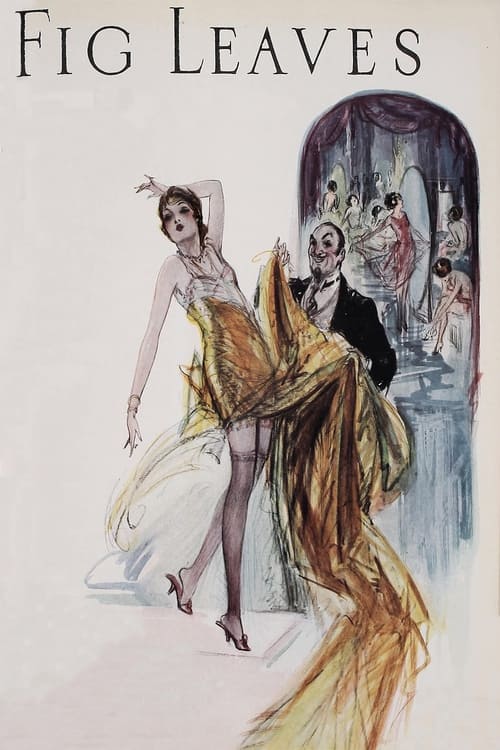
1926
1929
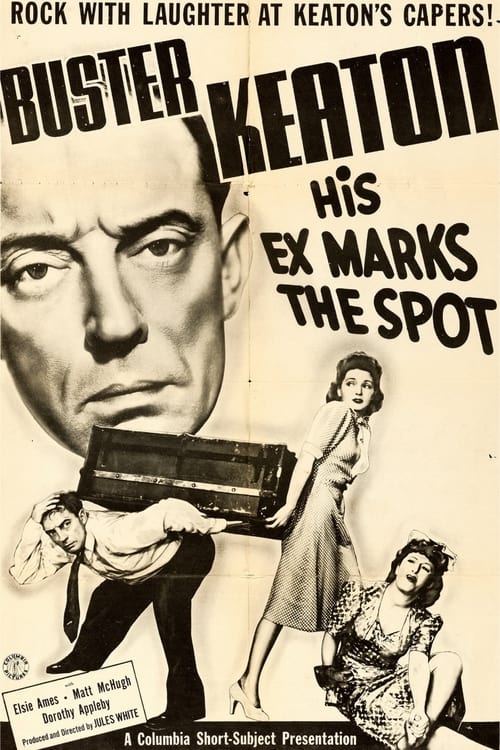
1940
No reviews yet. Be the first to share your thoughts on this movie!
Use the rating form above to leave a star rating and optional review.