
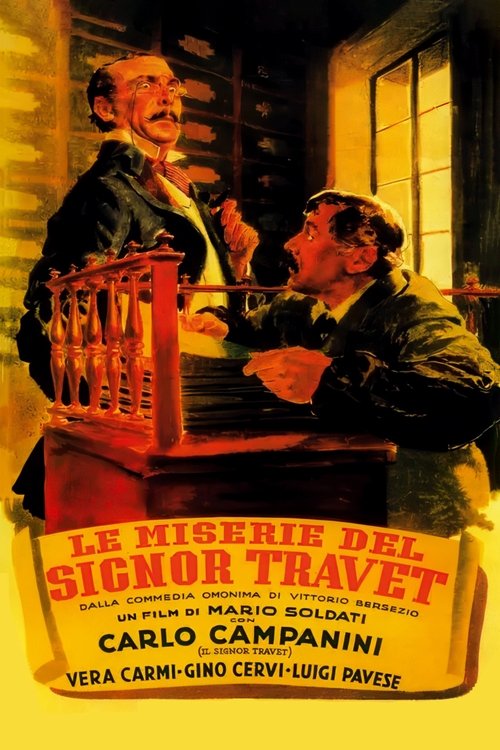
Run for Your Wife
1965
No user ratings available yet
Representation score: 2.1 out of 10
Representation Score
Minimal
1945
Director
Mario Soldati
Runtime
98 minutes
Average Rating
No ratings yetNew Showbiz Analysis
Mario Soldati's comedy is shaped by the social and narrative norms of its 1945 historical context. It functions as a traditional character study rather than a vehicle for characters who reflect more than one aspect of diversity or the disruption of established cultural paradigms. The film follows a standard mid-century cliché, focusing on the social friction caused by changes in workplace hierarchy. The narrative structure prioritizes the domestic and professional anxieties of a middle-class employee. Ultimately, the work lacks modern progressive frameworks or the deconstruction of traditional social hierarchies, reflecting the era's production constraints and genre conventions.
Category Breakdown
The film does not include any characters with non-traditional gender identities. The story focuses on a husband and wife within a conventional family setting.
The story centers on the professional and domestic life of a male protagonist. It adheres to traditional gender roles typical of 1940s social comedies.
Reflecting the demographics of its time, the film lacks diverse racial casting. The cast is homogeneous, typical of mid-century Italian productions.
The film engages with traditional social structures such as employment and marriage. It focuses on an individual navigating these systems without challenging them.
There are no specific details regarding the depiction of physically or neurodivergent characters in this work.
Present on Screen
Limited or Absent
Official Synopsis
The ordinary life of the prudent employee Mr. Travet accelerates as he and her wife meet his new chief.
1965
1983
1953
1976
1954
1951
1952
1941
No reviews yet. Be the first to share your thoughts on this movie!
Use the rating form above to leave a star rating and optional review.