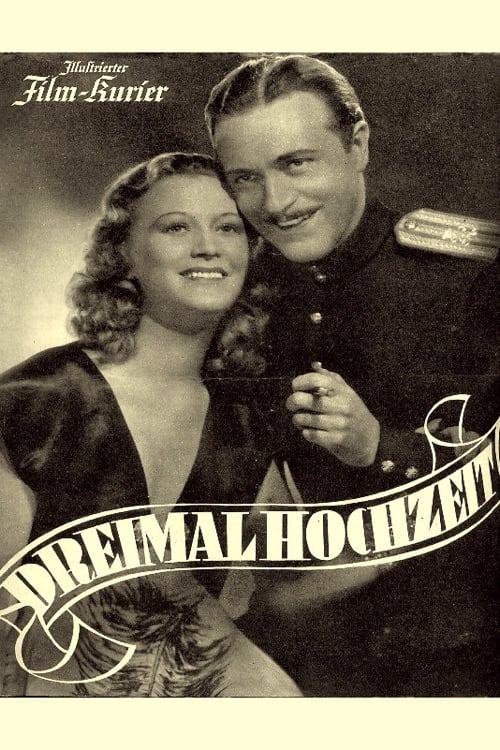
Dreimal Hochzeit
1941
No user ratings available yet
Representation score: 1.0 out of 10
Representation Score
Minimal
1943
Director
Géza von Bolváry
Runtime
93 minutes
Average Rating
No ratings yetNew Showbiz Analysis
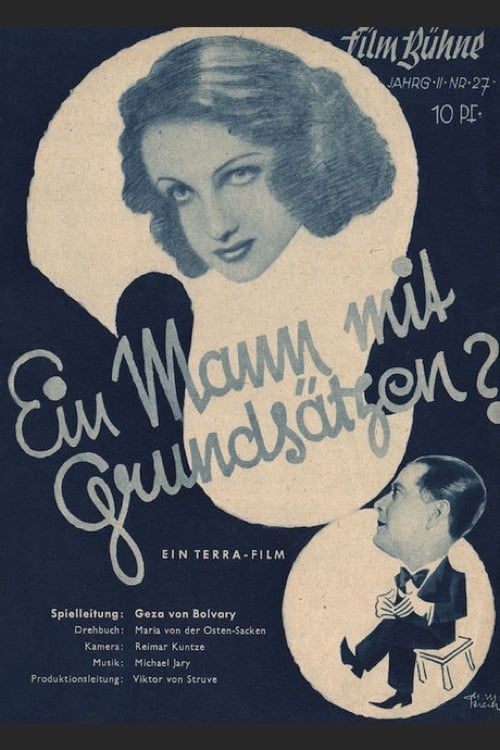
Ein Mann mit Grundsätzen? is a product of its historical era, functioning primarily as escapist entertainment. The narrative relies on established social hierarchies and romantic clichés common to mid-20th-century commercial cinema. The film reinforces patriarchal structures through its central conflict regarding women in the workplace. While the female lead pursues her own path, it is motivated by romantic interest rather than a critique of gendered labor. Overall, the work lacks intentionality in disrupting the social or cultural norms of its time, offering a conventional experience that adheres to the period's standard gender and racial perspectives.
Category Breakdown
The film follows a typical heterosexual romance. There are no characters with non-binary gender identities or stories that challenge the idea that everyone is straight.
Conflict arises from traditional gender roles and the male lead's disregard for women in professional settings. Although Christa takes action, her efforts focus on preserving her relationship rather than challenging systemic issues.
A business trip to Africa is mentioned, possibly serving as a backdrop for Western adventure. The film reflects the era's tendency towards Eurocentric viewpoints.
The story operates within traditional 1940s Western social norms. It focuses on romantic courtship and professional status, avoiding exploration of diverse cultural or secular perspectives.
There are no characters with visible or invisible disabilities mentioned in the narrative.
Present on Screen
Limited or Absent
Official Synopsis
The day before chemist Dr. Hans Wynhold leaves for a six months business trip to Africa, he meets chemistry student Christa Weiden. They spend the evening together in St. Pauli and fall in love. She doesn't tell him that she'll start the next day at the chemistry laboratory he works at too, because he says he doesn't like women in "men's jobs". Only after his departure the next day Christa learns about Hans' reputation as a Don Juan. In fear that she'll lose him to another woman, she follows him... and starts a series of complications.
1941
1948
1943
1940
1942

1952
1940
1939
No reviews yet. Be the first to share your thoughts on this movie!
Use the rating form above to leave a star rating and optional review.